
TL;DR:
- Renovating rental kitchens focuses on improving storage, layout, and reliable appliances to boost tenant retention. A budget of around $2,000 can upgrade hardware, lighting, and surfaces, delivering measurable benefits and quicker lease-ups. Prioritizing functionality over luxury finishes helps landlords maximize returns and tenant satisfaction.
If you've been putting off a kitchen renovation in your rental because you're not sure the numbers make sense, you're not alone. Many landlords treat kitchen upgrades as luxury expenses rather than strategic investments. But the question of why renovate kitchens in rentals has a clearer answer than most property owners expect. A well-planned kitchen update directly affects how fast you fill vacancies, how long tenants stay, and how much rent you can reasonably charge. This guide breaks down exactly what moves the needle and what doesn't.
Table of Contents
- Key takeaways
- Why renovate kitchens in rentals: what tenants actually care about
- Cost-effective approaches that actually pay off
- Planning, timing, and legal considerations
- How renovated kitchens affect retention and property value
- My take on kitchen renovations in rental properties
- Upgrade your rental kitchen with Floor2you
- FAQ
Key takeaways
| Point | Details |
|---|---|
| Function beats finishes | Tenants value storage, layout, and reliable appliances far more than premium materials. |
| Small budgets can work | A focused refresh under $2,000 can meaningfully improve tenant experience and reduce vacancy time. |
| Timing and permits matter | Budget 10 to 15 working days onsite plus 2 to 6 weeks for permits, and always add a 10 to 15% contingency. |
| Retention pays more than rent hikes | Keeping a good tenant costs less than turning a unit, making kitchen upgrades a retention tool first. |
| Daily touchpoints drive satisfaction | Lighting, hardware, and appliances tenants use every day deliver more satisfaction than aesthetic upgrades they rarely notice. |
Why renovate kitchens in rentals: what tenants actually care about
Most landlords imagine tenants want quartz countertops and farmhouse sinks. The reality is more practical. Kitchens in rental units serve as cooking spaces, informal dining rooms, workspaces, and social hubs. Tenants spend significant time there, which means their daily frustrations with the kitchen become reasons to leave.
Research from a Greystar amenities study found that pantry space tops the list as the most valued kitchen feature for 80% of tenants. Storage, layout, and function consistently outrank decorative finishes. That finding should reframe how you approach any kitchen remodel for landlords. You are not staging a home for sale. You are creating a workspace that someone will use twice a day for 12 to 24 months.
Here is what tenants consistently prioritize:
- Adequate storage and pantry space (this is the single biggest pain point in older rental kitchens)
- Functional, reliable appliances that don't require frequent maintenance calls
- Durable, easy-to-clean surfaces on countertops and floors
- Good lighting, particularly over food prep areas
- A layout that allows two people to work without constant interference
"Landlords and developers should prioritize kitchen functionality and flexibility over expensive luxury finishes to improve tenant retention and rent."
The practical takeaway here is that you don't need to spend on aesthetics. You need to solve friction. Every time a tenant has to work around a broken drawer, dim lighting, or a lack of counter space, that's a small vote against renewing their lease.
Cost-effective approaches that actually pay off
The phrase "kitchen renovation" conjures gut rehabs costing $30,000 or more. For rental properties, that's rarely the right move. The goal is to identify upgrades that improve the daily experience without creating costs you'll never recover in rent.
A realistic kitchen refresh budget of around $2,000 can cover new hardware, updated lighting, paint, and targeted storage additions. That's a meaningful upgrade for a tenant walking into a unit, and it costs less than a single month's vacancy in most South Florida markets.
Here's a practical comparison to help you think through the scope decision:
| Upgrade type | Estimated cost | Tenant impact | Maintenance benefit |
|---|---|---|---|
| Cabinet hardware + paint | $200 to $600 | High perceived value improvement | Low maintenance impact |
| New lighting fixtures | $300 to $800 | Significant daily improvement | Minimal ongoing cost |
| Appliance replacement | $1,200 to $3,000 | Strong retention impact | Fewer repair calls |
| Cabinet refacing | $2,500 to $6,000 | Major visual refresh | Moderate improvement |
| Full gut renovation | $15,000 to $40,000+ | Maximum appeal | Highest upfront risk |
The middle range, covering appliances, lighting, storage additions, and cabinet refreshes without replacing them, delivers the most measurable return for rental property owners. Unit-level upgrades like appliances consistently outperform shared amenities when it comes to rent impact and retention.
Durability deserves its own paragraph here. Rental kitchens take more abuse than owner-occupied kitchens because tenants don't have the same emotional investment in the space. Choose surfaces that wipe clean easily, hardware that won't corrode, and flooring that handles water without warping. Luxury vinyl plank flooring in kitchens, for example, resists moisture, installs quickly, and costs far less than tile while lasting years under heavy use.
Pro Tip: When upgrading rental kitchens, replace cabinet hardware before anything else. Higher-quality handles and pulls cost under $200 for a full kitchen and dramatically improve tactile perception without touching cabinetry structure. Tenants notice the difference every single day.
Planning, timing, and legal considerations
Knowing what to renovate is only half the equation. Knowing when and how to execute matters just as much, particularly if you have a tenant in place or a hard deadline to re-lease the unit.
A staged kitchen renovation for a rental typically follows this sequence:
- Define scope before anything else. Lock down exactly what you're replacing, refreshing, and leaving alone. Scope creep is the primary cause of budget overruns and extended vacancy.
- Pull permits early. Small kitchen renovations typically require 10 to 15 working days onsite, but permitting can add 2 to 6 weeks to the total timeline. Start the permit process before your tenant moves out.
- Budget a contingency. Set aside 10 to 15% beyond your projected cost for surprises behind walls, under floors, and in plumbing connections. Older South Florida rental units frequently hide outdated wiring or corroded pipes.
- Notify tenants properly. If renovating during a tenancy, check your lease terms and local requirements for advance notice. Some municipalities require written notice 24 to 48 hours before entering, even for scheduled work.
- Coordinate with contractors on sequencing. Demolition, rough plumbing or electrical work, inspections, and finishing need to happen in the right order. Skipping inspection scheduling is a common mistake that delays completion by days or weeks.
- Schedule final walkthroughs before re-leasing. Confirm all new appliances are functional, permits are closed, and no punch list items remain before marketing the unit.
Legal considerations deserve attention beyond just permits. In rent-regulated situations, the structure of the renovation agreement can affect whether improvements pay for themselves over a 5-year window. Even outside rent stabilization, your lease should clearly define who bears responsibility for installed appliances and fixtures. A new dishwasher you install becomes your responsibility to repair unless your lease states otherwise.
Pro Tip: Talk to your insurance provider before starting any kitchen renovation. Adding new appliances or modifying plumbing can affect your property policy, and a gap in coverage during construction is a risk you don't want to discover after a water incident.
How renovated kitchens affect retention and property value
The financial case for upgrading rental kitchens isn't just about charging more rent. It's about keeping good tenants longer and reducing the true cost of turnover.
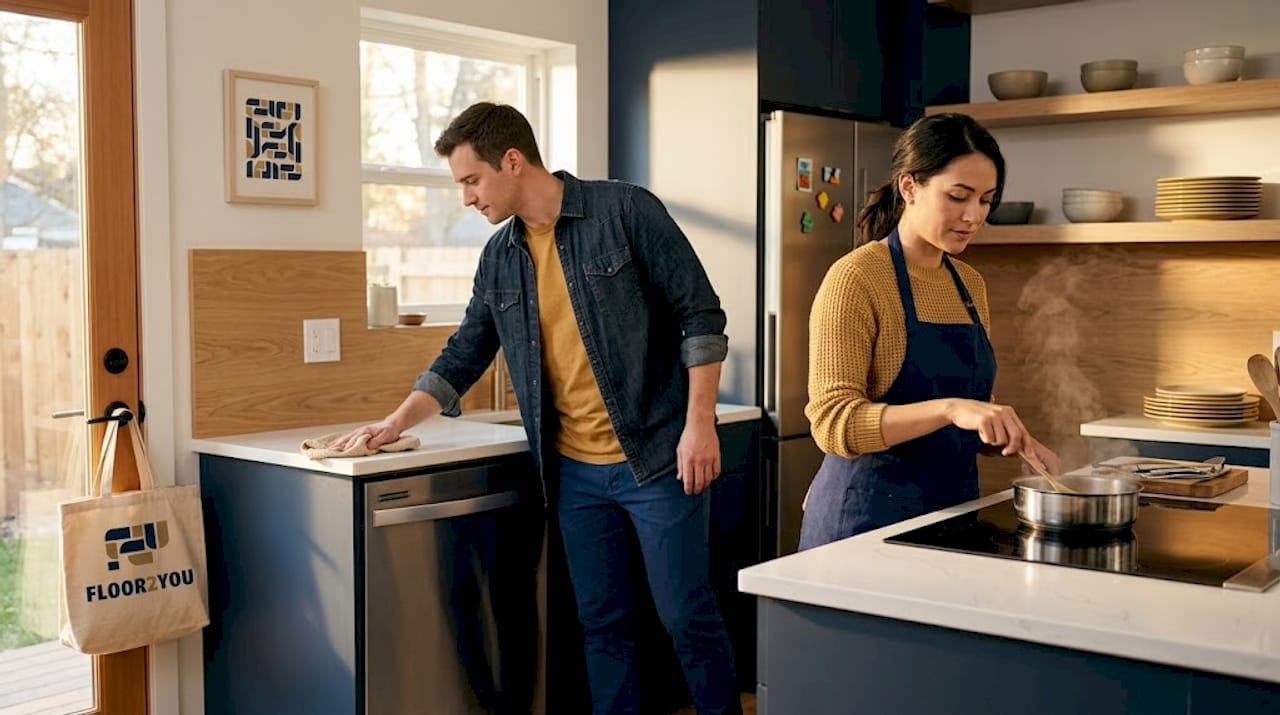
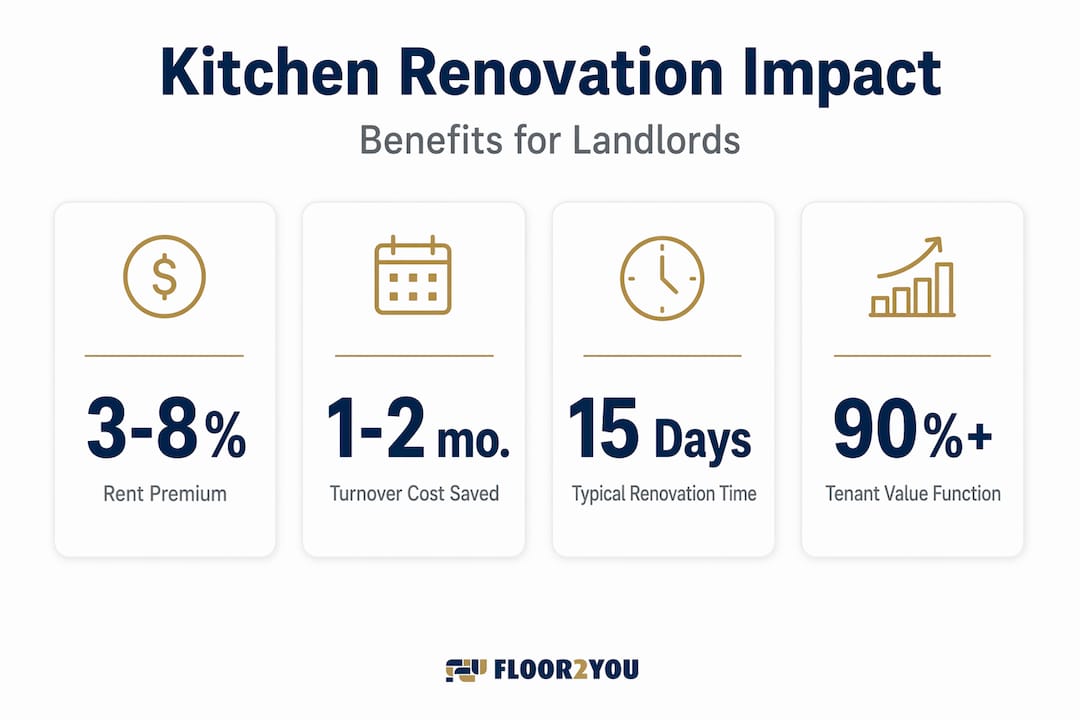
Turnover in a rental unit typically costs between one and two months of gross rent when you factor in vacancy, marketing, cleaning, and minor repairs. A kitchen upgrade that keeps a qualified tenant for an additional 12 months more than pays for a $2,000 to $3,000 refresh. The math is straightforward once you account for what vacancy actually costs.
Choosing finishes and appliances based on tenant use patterns and durability also reduces maintenance call frequency. New appliances under warranty mean fewer emergency service calls. Durable countertop surfaces mean fewer complaints and replacement requests. Both directly improve your net operating income without requiring a rent increase.
The rent premium itself is real but more modest than many landlords hope. Upgrading kitchens typically supports a 3 to 8% rent increase depending on your market and what competing units offer. In competitive South Florida submarkets where tenants have options, a renovated kitchen can be the deciding factor between your unit and the one down the street.
"Target upgrades where tenants interact daily; investing in reliable appliances, lighting, and storage yields better results than chasing trends."
Design choices also signal quality to prospective tenants during showings. A kitchen with updated lighting, clean cabinet faces, and functional appliances photographs better, attracts more qualified applicants, and reduces days on market. For landlords managing multiple units, faster lease-up velocity across a portfolio compounds into meaningful revenue. Understanding how renovations influence rental value long-term helps you prioritize where capital goes.
My take on kitchen renovations in rental properties
I've watched landlords make the same two mistakes repeatedly. The first is over-renovating. Quartz countertops and custom cabinetry in a mid-tier rental don't return their cost. Tenants in that price range appreciate function, not finishes. The second mistake is under-investing in the one or two things that tenants notice every day.
In my experience, the landlords who get the best returns from kitchen renovations are the ones who define their tenant profile first. Who are you renting to? A young professional couple has different kitchen priorities than a family of four. Once you know who you're designing for, the scope practically writes itself.
What actually moves the needle, in my view, is lighting and appliances. Every rental kitchen I've seen that frustrated tenants had at least one of these problems: a single overhead bulb that cast shadows over the prep area, or an appliance that technically worked but required patience and creativity. Fix those two things and you've addressed 80% of daily friction.
The overlooked upgrade I always recommend is quality cabinet hardware. It costs almost nothing relative to the renovation total, takes an afternoon to install, and tenants touch those pulls and handles dozens of times a day. Cheap hardware signals a cheap property. Quality hardware signals that someone cares. That perception matters more than people give it credit for, and it shows up in how tenants treat the space.
Lock your scope early. Get your permits before the unit is vacant. And don't let a contractor talk you into upgrades that serve their margin, not your ROI.
— G
Upgrade your rental kitchen with Floor2you
If you manage rental properties in South Florida, Floor2you can help you get kitchen and flooring upgrades done on a timeline and budget that actually works for rental investors.

Floor2you specializes in durable rental flooring options including luxury vinyl plank, tile, and laminate that hold up under tenant use and clean easily between leases. Their team handles full kitchen remodels and targeted refreshes, helping property owners prioritize the upgrades that improve tenant satisfaction without overspending on finishes. If you're ready to plan your next kitchen update for rentals, explore Floor2you's services and get a quote from a team that understands what rental properties actually need.
FAQ
Why do kitchen renovations matter more than other upgrades in rentals?
Kitchens are the most used room in a rental unit, directly affecting daily tenant experience, lease renewal decisions, and how quickly a vacant unit attracts qualified applicants.
How much should a landlord spend on a rental kitchen refresh?
A targeted refresh covering hardware, lighting, paint, and storage additions can run $500 to $2,000 and still deliver meaningful improvements in tenant satisfaction and lease-up speed.
Do kitchen upgrades allow landlords to raise rent?
Yes. Renovated kitchens typically support a 3 to 8% rent premium in competitive markets, though the bigger financial gain often comes from reduced vacancy and longer tenant retention.
How long does a rental kitchen renovation take?
Most small rental kitchen renovations take 10 to 15 working days onsite, but you should account for 2 to 6 weeks of permitting time before work begins.
What kitchen features do tenants value most?
According to a Greystar market study, pantry and storage space tops the list for 80% of tenants, followed by functional layout and reliable appliances rather than premium finishes.