
TL;DR:
- Tile flooring offers exceptional durability, water resistance, and long lifespan, making it ideal for rental properties in humid climates. Installing high-quality tile, paired with epoxy grout and proper subfloor prep, reduces maintenance costs and tenant complaints, especially in wet zones. Combining tile in moisture-prone areas with LVP in living spaces creates a comfortable, low-cost, and long-lasting flooring solution.
Tile flooring is the most durable and low-maintenance flooring choice for rental properties, outperforming carpet, laminate, and most alternatives in longevity, water resistance, and cost over time. Porcelain and ceramic tile are the two primary types relevant to rentals. Understanding why choose tile for rentals means looking beyond the upfront price and focusing on what happens after three tenant turnovers. In South Florida's humid climate, where moisture damage accelerates flooring failure, the benefits of tile flooring become even more pronounced for landlords and property managers.
Why choose tile for rentals over other flooring options?
Tile wins on lifespan before any other comparison begins. Porcelain tile lasts 30–50+ years, while carpet lasts just 3–5 years and laminate lasts 5–12 years. That gap means a landlord who installs tile once may never replace it during their ownership of a property.
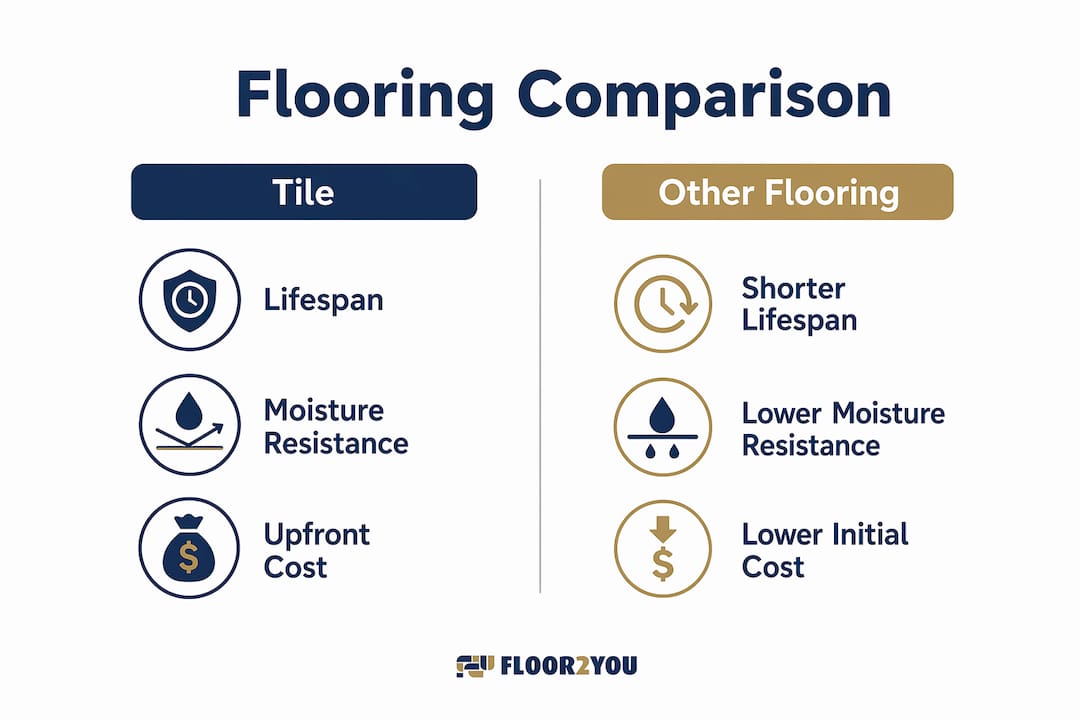
The cost picture is more nuanced. Tile installation runs $6–$20 per square foot, compared to luxury vinyl plank (LVP) at $3–$7 per square foot. The upfront gap is real. But tile's long-term ROI outpaces carpet and laminate because it eliminates the frequent replacement cycles those materials demand. A landlord replacing carpet every four years in a five-unit building will spend far more over a decade than one who paid more upfront for tile.
Here is how the four most common rental flooring types compare:
| Flooring type | Lifespan | Moisture resistance | Upfront cost | Best use |
|---|---|---|---|---|
| Porcelain/ceramic tile | 30–50+ years | Excellent | $6–$20/sq ft | Kitchens, baths, entryways |
| Carpet | 3–5 years | Poor | $2–$5/sq ft | Bedrooms (low-moisture only) |
| Laminate | 5–12 years | Low to moderate | $3–$8/sq ft | Living areas (dry zones) |
| Luxury vinyl plank | 10–20 years | Good | $3–$7/sq ft | Living rooms, bedrooms |
One honest limitation: tile is cold underfoot and transmits sound. Experts recommend using tile in wet zones and LVP in living or bedroom areas to balance durability with tenant comfort. That combination gives you the best of both materials without sacrificing either.
What makes tile ideal for high-moisture and high-traffic areas?
Moisture resistance is tile's defining advantage in rental properties. Porcelain tile absorbs less than 0.5% water, making it nearly impervious to spills, humidity, and standing water. That matters enormously in kitchens, bathrooms, laundry rooms, and entryways, where most flooring failures in rentals originate.
Compare that to laminate, which swells and buckles when moisture penetrates the seams, or carpet, which traps moisture and breeds mold. Tile does neither. It resists staining, warping, and mold growth under normal rental conditions. A tenant who overflows a bathtub or leaves a wet mop on the floor will not destroy tile the way they would laminate.
The benefits of tile flooring in high-traffic areas are equally strong. Tile resists scratches from furniture, pet claws, and daily foot traffic that would visibly damage softer materials within months. Entryways and hallways, which take the hardest beating in any rental unit, stay looking clean and intact under tile for years.
Key reasons tile outperforms alternatives in wet and busy zones:
- Water absorption below 0.5% prevents swelling, warping, and subfloor damage
- Stain resistance keeps surfaces looking clean between tenant turnovers
- Mold and mildew resistance reduces health complaints and liability
- Scratch resistance maintains appearance under heavy daily use
- No off-gassing after installation, unlike some vinyl products
Pro Tip: Switch from standard cementitious grout to epoxy grout when installing tile in rental kitchens and bathrooms. Epoxy grout resists staining and mold far better than standard grout, and it dramatically cuts your long-term maintenance costs.
For a deeper look at waterproof flooring options for rental kitchens and bathrooms, Floor2you's resource covers the full range of materials worth considering.
What should you know about tile installation in rental properties?
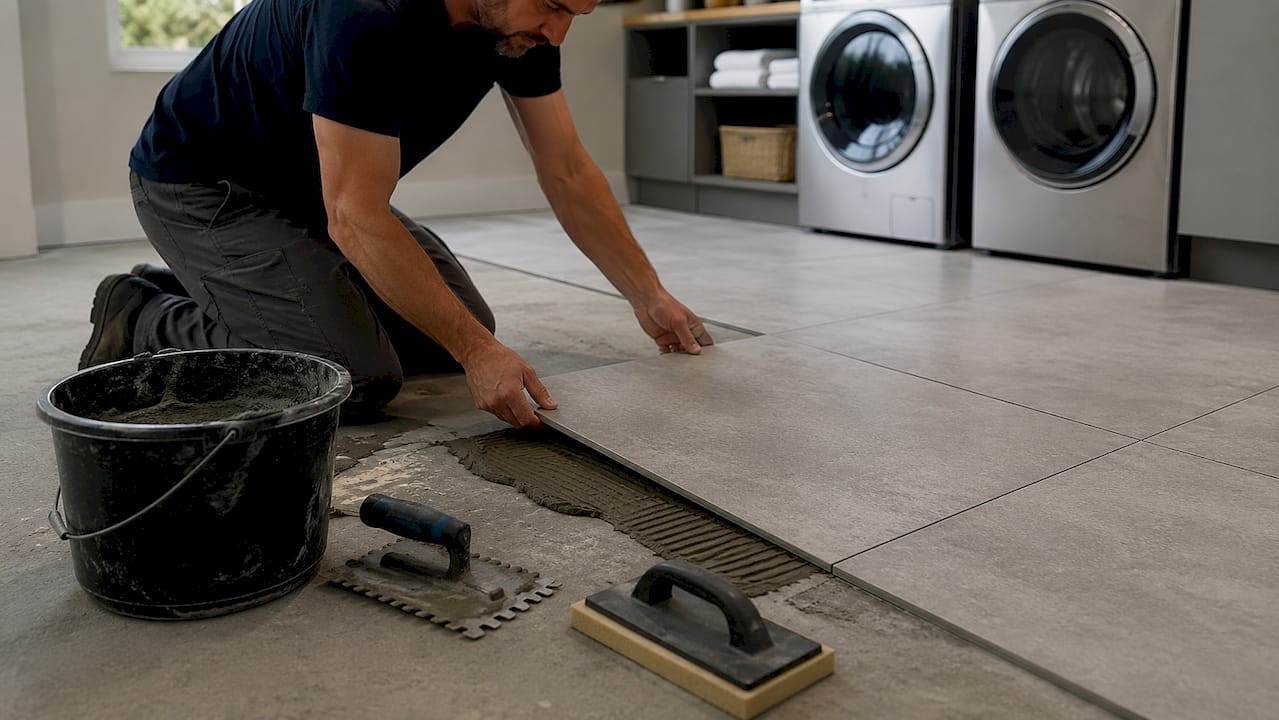
Installation quality determines whether tile flooring performs as promised or becomes a maintenance headache. Poor installation causes noisy floors, uneven tile edges, and cracked surfaces that generate tenant complaints and repair costs. The technical term for uneven tile edges is lippage, and it is a direct result of inadequate subfloor preparation or inexperienced labor.
Subfloor prep is the most skipped step in budget tile jobs. Any flex, unevenness, or moisture in the subfloor will eventually crack the tile above it. Concrete slabs in South Florida can shift slightly with temperature and humidity changes. Tile can crack from subfloor movement, and matching replacement tiles later is notoriously difficult because dye lots change between production runs.
Critical installation and maintenance factors every landlord should plan for:
- Hire qualified installers with documented experience in large-format tile work
- Inspect and level the subfloor before any tile is set
- Budget for re-grouting every 5–7 years as grout wears and discolors with use
- Use epoxy grout from the start to extend that maintenance interval significantly
- Set aside a box of spare tiles from the original batch for future repairs
Pro Tip: Always order 10–15% more tile than your square footage requires. Store the extras on-site. When a tile cracks two years later, you will have an exact color and texture match from the same production run. Without spares, repairs become full replacements because discontinued tiles rarely match.
Budgeting honestly matters here. The $6–$20 per square foot installation range reflects a wide gap between a basic ceramic job and a large-format porcelain installation with proper subfloor work. Cutting corners on labor to save money upfront is the single most common mistake landlords make with tile, and it produces the exact problems tile is supposed to prevent.
How to choose tile designs that attract tenants and hold property value
Design choices affect how quickly a unit rents and how broadly it appeals to prospective tenants. Neutral colors like light gray and beige maximize tenant appeal by avoiding the polarizing effect of bold or trendy patterns. A landlord who installs deep burgundy patterned tile because it was on sale will narrow their tenant pool and likely replace it sooner than a landlord who chose a timeless light gray.
Large-format tiles, typically 24x24 inches or larger, reduce the number of grout lines in a space. Fewer grout lines mean less maintenance and a cleaner visual impression that makes rooms feel larger. This is a practical design choice, not just an aesthetic one.
Texture matters for safety. Matte and lightly textured tile surfaces provide better slip resistance than high-gloss finishes, particularly in bathrooms and kitchens where wet floors are common. A slip-and-fall incident in a rental unit is a liability event. Choosing the right tile finish is part of risk management.
Practical design guidelines for rental tile selection:
- Choose light gray, beige, or warm white for broad tenant appeal and timeless style
- Select large-format tiles (18x18 inches or larger) to minimize grout lines and simplify cleaning
- Use matte or textured finishes in wet areas for slip resistance
- Avoid bold patterns or dark grout that show wear quickly and limit tenant appeal
- Match tile style to the property tier so the finish aligns with your rental price point
For landlords comparing tile against luxury vinyl plank options, the design flexibility of LVP in living spaces pairs well with tile in wet zones, creating a cohesive look without sacrificing performance where moisture is a factor.
You can also explore ceramic and porcelain tile selections at Hard Rock Stone Tile and Flooring for a wide range of styles suited to rental properties across different price points.
Key Takeaways
Tile flooring is the best long-term flooring investment for rental properties because its durability, water resistance, and low replacement frequency outweigh the higher upfront installation cost.
| Point | Details |
|---|---|
| Lifespan advantage | Porcelain tile lasts 30–50+ years, far outlasting carpet at 3–5 years and laminate at 5–12 years. |
| Moisture performance | Porcelain's water absorption below 0.5% makes it the right choice for kitchens, bathrooms, and laundry rooms. |
| Installation quality | Qualified installers and proper subfloor prep prevent cracking, lippage, and tenant complaints. |
| Design for broad appeal | Neutral colors like light gray and large-format tiles attract more tenants and reduce turnover frequency. |
| Grout strategy | Epoxy grout reduces staining and mold, cutting long-term maintenance costs compared to standard grout. |
The case for tile I wish more landlords heard earlier
Most landlords I talk to think about flooring as a cost to minimize. They ask which option is cheapest per square foot. That is the wrong question, and it leads to the wrong answer almost every time.
The cheapest flooring is rarely the most cost-effective for rentals. I have seen landlords replace carpet in the same unit three times in eight years while a neighbor with tile in the same building has never touched their floors. The math is not close.
What I tell property owners is this: use tile where water and traffic are the real threats, and pair it with LVP in bedrooms and living rooms where comfort matters more. That combination solves the two biggest tenant complaints at once. Tile is "bulletproof" in wet zones, but it is cold and loud in a living room. LVP handles comfort. Tile handles durability. Together, they cover every scenario a rental property faces.
The one thing most articles skip is the spare tile conversation. Saving a box of matching tiles from the original installation has saved landlords I know from full-floor replacements after a single cracked tile. It costs nothing extra at installation time and can save thousands later. That is the kind of practical detail that separates a landlord who manages flooring well from one who is always reacting to problems.
If you are managing a property in South Florida, the humidity argument alone closes the case for tile in wet areas. Moisture damage is the leading driver of premature flooring failure in this region. Tile does not give moisture anywhere to go.
— G
Ready to install tile in your rental property?
Floor2you works with landlords, property managers, and Airbnb hosts across South Florida to install tile flooring that holds up through tenant turnover after tenant turnover. The team handles everything from subfloor preparation to final grout sealing, using materials and techniques that match the demands of rental properties specifically.

Whether you are upgrading a single bathroom or retiling an entire unit, Floor2you brings the craftsmanship and local knowledge that South Florida properties require. Explore tile flooring installation options and get a quote tailored to your property's size and budget. You can also read more about upgrading rental flooring to understand how the right flooring choice affects tenant attraction and long-term property value.
FAQ
How long does tile flooring last in a rental property?
Porcelain tile lasts 30–50+ years with proper installation and basic maintenance. That lifespan far exceeds carpet, laminate, and most other rental flooring options.
Is tile flooring worth the higher upfront cost for landlords?
Yes. While tile costs $6–$20 per square foot installed, it eliminates the replacement cycles that make carpet and laminate more expensive over a 10-year ownership period. The long-term savings on repairs and replacements justify the initial investment.
What type of tile is best for rental bathrooms and kitchens?
Porcelain tile is the top choice for wet rental areas because its water absorption rate below 0.5% prevents moisture damage, mold, and warping. Pair it with epoxy grout to reduce staining and maintenance further.
Should I use tile throughout an entire rental unit?
Tile works best in kitchens, bathrooms, laundry rooms, and entryways. Experts recommend combining tile with LVP in living rooms and bedrooms to address tenant comfort concerns about cold and noise.
What tile colors work best for rental properties?
Light gray, beige, and warm white are the strongest choices for rental units. Neutral tones appeal to the broadest range of tenants and avoid the polarizing effect of bold or trendy patterns.