
TL;DR:
- Hiring local South Florida contractors ensures compliance with regional building codes and protects your investment from delays and liabilities. Their in-depth knowledge of the climate, permit processes, and community relationships results in higher quality work and faster project completion. Verifying proper licensing, insurance, and local experience is essential for a successful renovation.
Local South Florida contractors are the most reliable choice for renovation projects because they combine Florida DBPR licensing compliance, regional building code expertise, and community accountability that out-of-state or unlicensed contractors simply cannot match. Choosing the right contractor in South Florida means understanding a licensing system, a climate, and a permitting process unlike anywhere else in the country. Resources like South Florida Contractors and FloridaContractorCheck.com exist precisely because this market demands a higher level of due diligence. If you are a homeowner or property manager planning a kitchen remodel, bathroom renovation, or flooring upgrade, the contractor you pick will determine whether your project finishes on time, on budget, and up to code.
Why choose south florida contractors for licensing and legal protection
Florida requires contractors to hold active DBPR licenses to legally pull permits and perform construction work. Two license types exist: certified contractors, who can work anywhere in Florida, and registered contractors, whose scope is limited to specific local jurisdictions. Matching the right license type to your project is not optional. It is the legal foundation of every legitimate job.
The stakes for getting this wrong are serious. Unlicensed contracting violates Florida Statute 489.127 and exposes homeowners to insurance voids and full legal liability for any injuries or damages on site. That means if an unlicensed worker falls on your property, your homeowner's insurance may refuse to cover the claim.
License prefixes on DBPR records indicate trade type and scope. A roofing license is required for roofing work, not a general contractor license without that classification. Hiring a contractor whose license does not match your project's trade is a compliance failure, even if the license itself is active.
Pro Tip: A DBPR license check confirms status and class but does not verify insurance coverage or permit pull details. Always request a Certificate of Insurance and confirm who will pull the permit under which specific license before signing any contract.
- Verify the license is active, not expired or suspended
- Confirm the license class matches your project type (roofing, electrical, general)
- Request a current Certificate of Insurance naming you as an additional insured
- Ask directly: who pulls the permit, and under which license number
How local knowledge of south florida's climate protects your investment
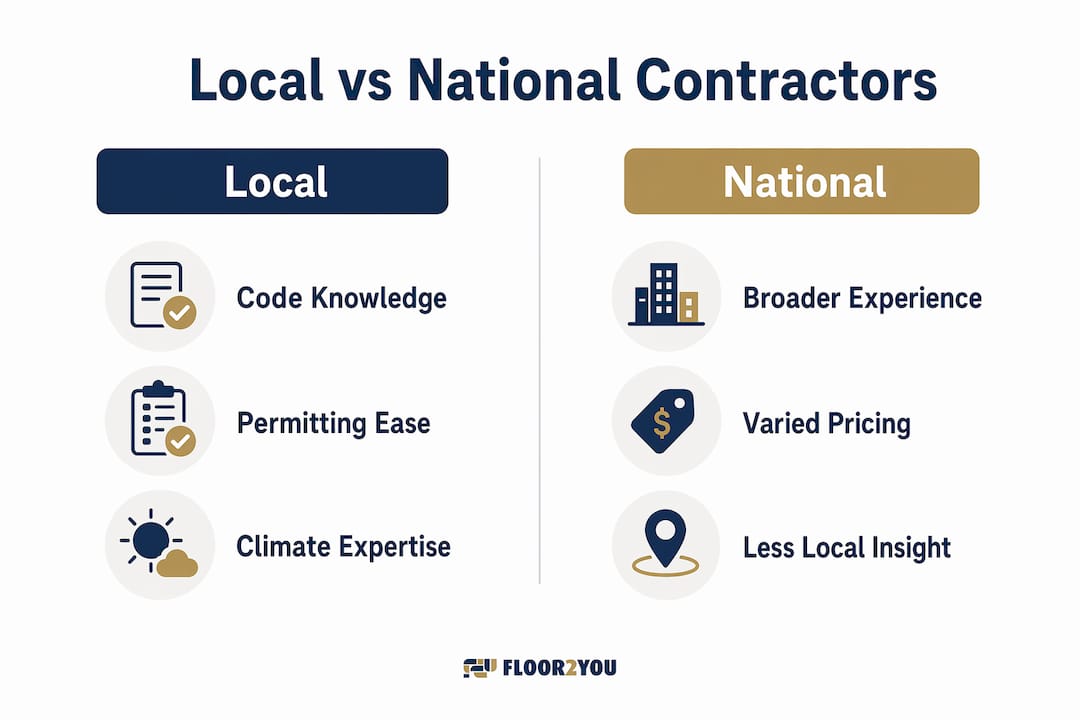
South Florida contractors bring essential local knowledge of Miami-Dade and Broward building codes, coastal hurricane requirements, and established subcontractor relationships. That knowledge directly reduces rework, prevents delays, and produces results built to last in this specific environment. A contractor from outside the region may be technically licensed but still unfamiliar with the local amendments that govern your project.
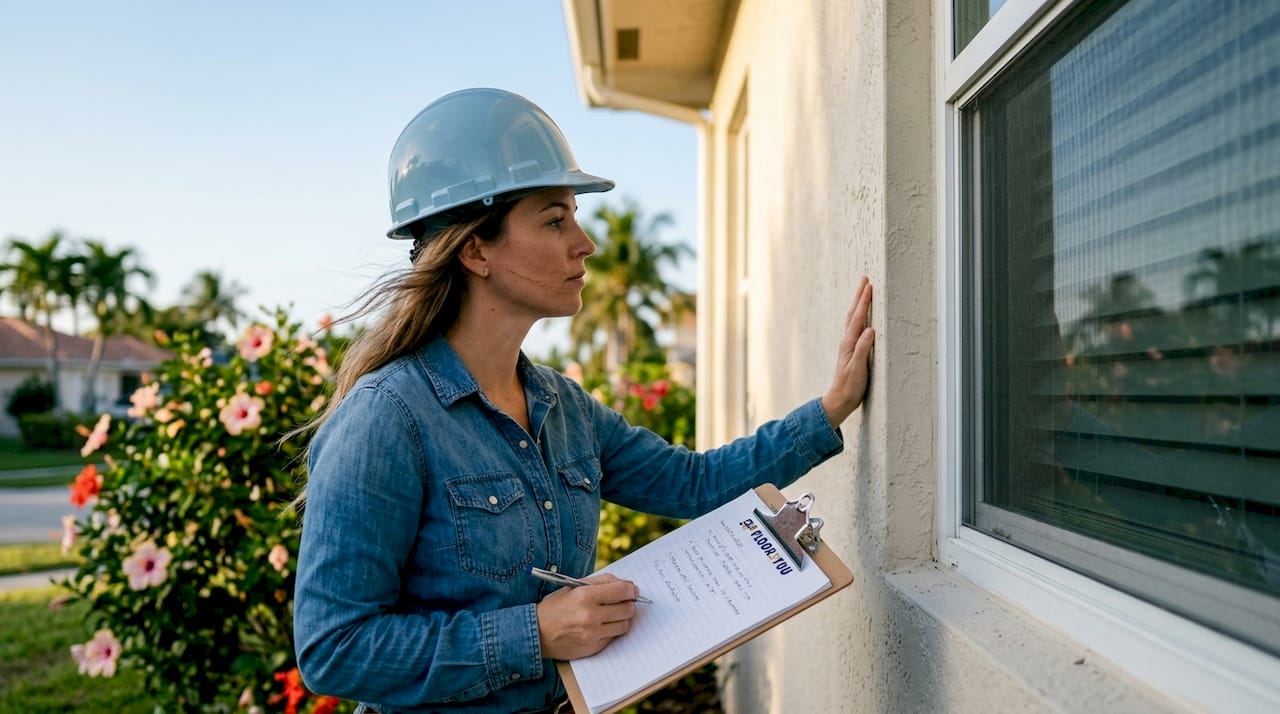
The climate here creates construction challenges that do not exist in most of the country. Salt air accelerates corrosion in fasteners and HVAC components. High humidity demands specific moisture barriers and ventilation details. UV exposure degrades certain materials far faster than inland climates. A contractor who has worked in South Florida for years knows which products hold up and which ones fail within two seasons.
Miami-Dade County maintains some of the strictest wind-load and impact-resistance requirements in the United States, shaped by decades of hurricane experience. Broward County follows similar protocols. Local contractors know these code nuances by practice, not just by reading a manual. That practical fluency prevents costly corrections during inspections.
| Factor | Local South Florida Contractor | National or Out-of-State Contractor |
|---|---|---|
| Miami-Dade code familiarity | Direct, hands-on experience | Requires research and catch-up |
| Hurricane and wind-load compliance | Built into standard practice | May require additional consultation |
| Salt air and humidity material selection | Informed by local project history | Generic material specs may apply |
| Subcontractor network | Established, vetted local relationships | Sourced ad hoc, less reliable |
| Permit office relationships | Known contacts, faster communication | Starting from scratch each time |
Pro Tip: When interviewing contractors, ask specifically which products they use for exterior fasteners and moisture barriers in coastal zones. A local expert will answer without hesitation. Vague answers are a red flag.
How do local contractors streamline south florida permitting?
The South Florida permitting process follows a defined sequence, and local contractors know every step. A complete permit application moves through plan review, corrections, re-review, inspection scheduling, and finally a certificate of occupancy. Each stage has its own timeline, and any gap in documentation restarts the clock.
Incomplete submissions cause multi-cycle reviews that negate any benefit from expedited review services. This is the single most common reason South Florida renovation projects run over schedule. A local contractor who has submitted dozens of applications to the same municipality knows exactly what each plan reviewer expects.
Permit speed depends more on application completeness than on paying for expedited service. That insight changes how you should evaluate a contractor's value. A contractor who charges slightly more but submits a complete package the first time will almost always finish your project faster than a cheaper contractor who triggers two or three correction cycles.
Here is how a well-managed South Florida permit process looks with an experienced local contractor:
- Pre-application review: Contractor confirms scope, zoning, and applicable local amendments before submitting anything
- Complete package submission: All drawings, product approvals, and supporting documents submitted together
- Plan review coordination: Contractor responds to reviewer questions directly and quickly, preventing delays
- Inspection scheduling: Contractor books inspections at the right project milestones, not after the fact
- Amendment management: Any scope changes are documented and submitted as formal amendments, not handled informally
- Certificate of occupancy: Final inspection is scheduled only when all work is confirmed complete and compliant
Local contractors coordinate directly with inspectors and address municipality-specific amendments such as urban design standards and soil conditions. That relationship matters. An inspector who recognizes a contractor's name and track record approaches a job site differently than one meeting a stranger for the first time. You can read more about how this process unfolds in practice in this South Florida remodeling guide.
What advantages do homeowners gain by hiring local south florida contractors?
Local contractors have a financial and reputational stake in your neighborhood. Their next job often comes from your street. That community investment produces a level of accountability that a contractor based three states away simply cannot replicate.
Community accountability enables quicker post-project support and better long-term relationship maintenance. For property managers running Airbnb rentals or multi-unit buildings, this matters enormously. A tile that cracks six weeks after installation needs to be fixed fast. A local contractor answers that call. A distant one does not.
The subcontractor network a local contractor brings is another underrated advantage. Established relationships with local electricians, plumbers, and tile setters mean your project does not stall because a subcontractor failed to show up. These are working relationships built over years, not names pulled from an online directory the week your job starts.
Here are the top reasons to hire local contractors in South Florida:
- Faster response times for both project work and post-completion adjustments
- Verified local licensing aligned to Miami-Dade and Broward permit requirements
- Established subcontractor networks that reduce scheduling gaps and quality inconsistencies
- Insurance alignment with Florida-specific liability and workers' compensation requirements
- Reputation accountability within the community where you live and invest
- Familiarity with HOA and condo association requirements common in South Florida residential buildings
For a deeper look at how these advantages apply to flooring projects specifically, the professional flooring guide covers local compliance and contractor selection in detail. If you want a full planning framework, the home remodel planning guide walks through each stage a local contractor should manage.
Key takeaways
Hiring a locally licensed South Florida contractor is the most direct way to protect your renovation investment, avoid permitting delays, and get post-project support when you need it.
| Point | Details |
|---|---|
| Licensing must match the trade | Verify the DBPR license class aligns with your specific project type before signing. |
| DBPR checks are a starting point | Always confirm insurance coverage and permit pull responsibility beyond the license lookup. |
| Local climate knowledge prevents failures | South Florida's salt air, humidity, and hurricane codes demand contractors with hands-on regional experience. |
| Complete permit packages save time | Experienced local contractors submit correct applications the first time, avoiding costly review cycles. |
| Community accountability drives quality | Local contractors protect their reputation by delivering reliable work and fast post-project support. |
What i have learned after years of watching south florida projects go wrong
The most expensive mistake I see homeowners make is treating contractor selection as a price comparison exercise. They get three bids, pick the lowest number, and then spend the next six months dealing with permit rejections, failed inspections, and subcontractors who never show up on time.
The contractors who cause the most problems are rarely unlicensed. They are often technically licensed but operating outside their local expertise. A contractor certified in Central Florida who takes a job in Miami-Dade without knowing the local amendments is a liability, even with a valid DBPR number on file.
What actually protects you is the combination of an active, correctly classified license, current insurance with proper scope alignment, and a track record of pulling permits in the specific municipality where your project sits. Licensure due diligence requires all three. The DBPR check alone tells you almost nothing useful about whether a contractor will perform.
I have also seen property managers underestimate how much post-project responsiveness matters. A flooring issue in a rental unit costs you money every day it goes unresolved. Local contractors with community ties fix those problems fast because their next referral depends on it. That is not sentiment. That is how their business model works.
My advice: verify credentials thoroughly, ask pointed questions about local code experience, and weight responsiveness and local reputation as heavily as price. The savings from a cheaper bid disappear fast when a project stalls at the permit office.
— G
Find trusted local contractors through Floor2you
Floor2you works exclusively with licensed South Florida contractors who know Miami-Dade and Broward codes, carry proper insurance, and have a track record of pulling permits correctly the first time.
Whether you are planning a full kitchen remodel, a bathroom renovation, or a flooring upgrade, Floor2you connects you with vetted local professionals who handle the entire process from initial quote through final inspection. You get the home renovation expertise of contractors who have worked in your specific neighborhood, not a national chain sending someone unfamiliar with your local permit office. Get your project started the right way by reaching out to Floor2you today.
FAQ
What does a DBPR license check actually confirm?
A DBPR license check confirms a contractor's license status, class, and trade type. It does not verify current insurance coverage, who will pull the permit, or whether the license scope matches your specific project.
Are certified and registered florida contractors the same?
Certified contractors can work anywhere in Florida, while registered contractors are limited to specific local jurisdictions. Always confirm which type your contractor holds and whether it covers your project's location.
Why does permit completeness matter more than expedited review?
Expedited permit services only save time when the application package is complete and compliant from the start. Incomplete submissions trigger correction cycles that erase any time advantage from paying for faster review.
What questions should i ask a south florida contractor before hiring?
Ask for their DBPR license number and class, a current Certificate of Insurance, the name of who will pull the permit, and examples of recent projects completed in your specific county. These four questions reveal more than any online review.
How do local contractors handle south florida's hurricane code requirements?
Local contractors build Miami-Dade and Broward wind-load and impact-resistance requirements into their standard specifications. They select materials and fasteners rated for coastal conditions and submit product approval documentation as part of the permit package.