
TL;DR:
- Hiring professional installers ensures that home renovation work meets manufacturer standards and building codes. They prevent costly repairs, preserve warranty coverage, and ensure safety, especially in high-risk trades like electrical and plumbing. Proper installation saves time and boosts home resale value through flawless finishes and reduced defect risks.
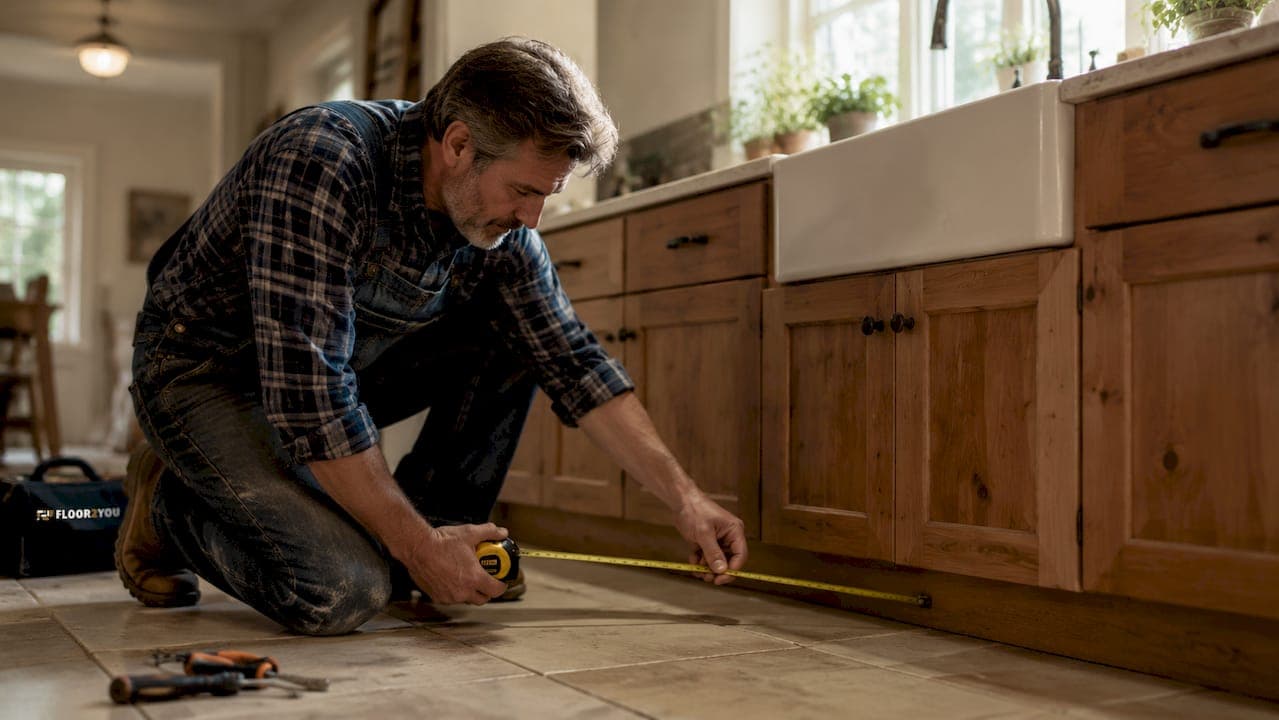
Professional installation is the practice of hiring trained, experienced tradespeople to complete home renovation and installation work to manufacturer specifications and local building codes. Homeowners who understand why choose professional installers over DIY methods consistently report better outcomes, fewer costly repairs, and stronger warranty protection. The difference between a flawless floor and a buckling one often comes down to who installed it, not which product was purchased. Floor2you sees this play out in South Florida homes every week.
Why choose professional installers for quality results
Professional installers protect your investment by following manufacturer installation guidelines exactly. Homeowners often spend weeks choosing products but only minutes choosing installers. That imbalance causes premature failures even when the materials themselves are top quality. Proper installation requires accurate measurement, thorough surface preparation, and correct curing times. Skip any one of those steps and the product fails ahead of schedule.
The benefits of professional installation show up most clearly in the details. A certified installer checks subfloor moisture levels before laying hardwood. They account for expansion gaps in vinyl plank. They apply the right adhesive at the right temperature. These are not optional steps. They are the difference between a floor that lasts 20 years and one that warps after the first South Florida summer.
- Precise measurement and layout planning before a single piece is cut or placed
- Subfloor preparation including leveling, moisture testing, and priming where required
- Correct adhesive and fastener selection matched to the specific product and substrate
- Proper acclimation periods for wood and engineered products before installation begins
- Final inspection to catch lippage, gaps, or alignment issues before they become permanent
Pro Tip: Ask your installer to document subfloor moisture readings before installation starts. That record protects you if a warranty claim comes up later.
What are the real financial and safety risks of DIY?
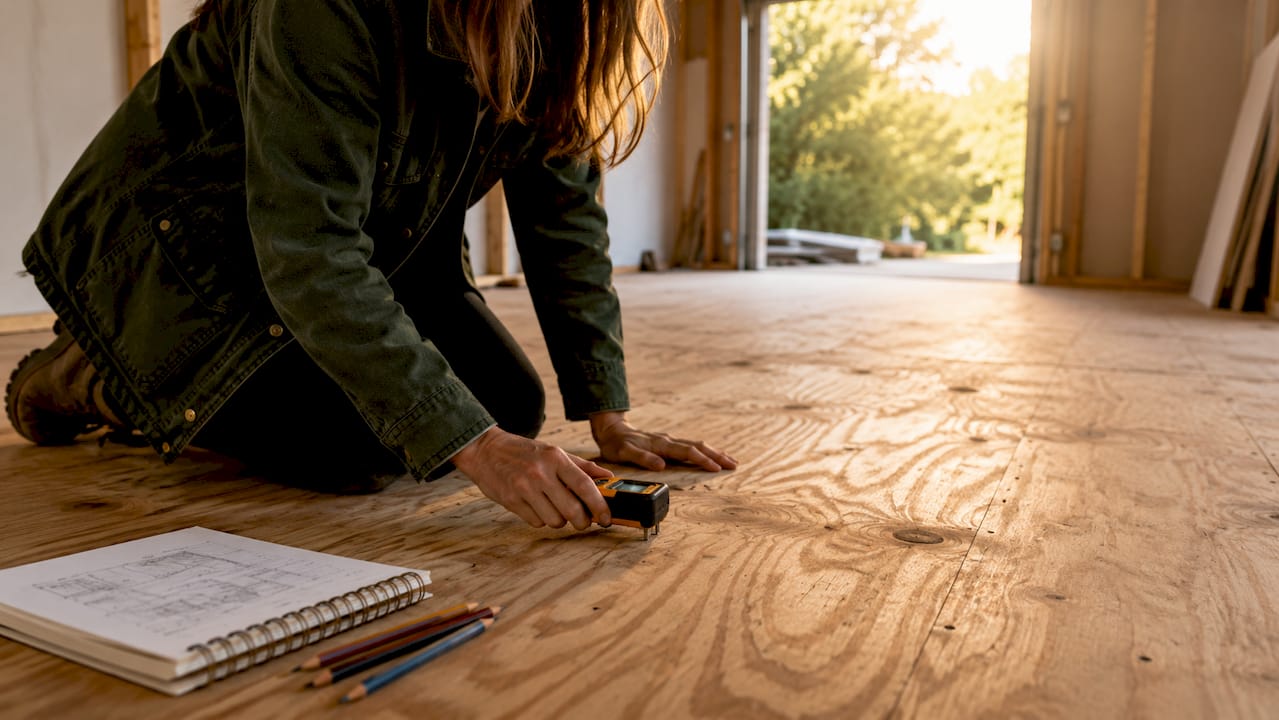
DIY installation carries financial risks that most homeowners underestimate at the start of a project. DIY fixes for failed renovations, such as flooring that buckles or tiles that crack, often cost multiple times the original professional installation fee. The math is straightforward. Paying a professional once is almost always cheaper than paying a professional to undo and redo amateur work.
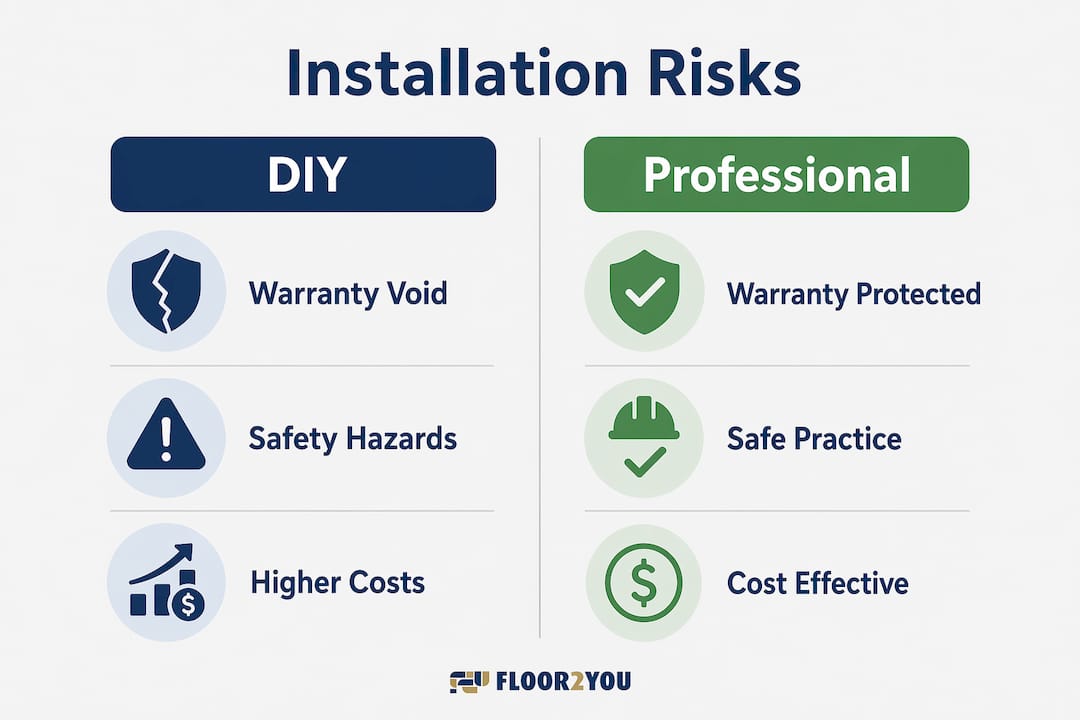
Warranty protection is another financial risk that rarely gets discussed upfront. Manufacturers frequently deny warranty claims when installation was not performed by a qualified professional. That means a $4,000 floor with a 25-year warranty becomes a $4,000 floor with no warranty the moment an unqualified person installs it. The warranty language in most flooring, HVAC, and smart home products is explicit on this point.
Safety is the third risk category, and it is the most serious. Professional installation is required for high-risk trades like electrical, plumbing, and roofing to prevent code violations, structural damage, and insurance denials. A homeowner who wires a ceiling fan incorrectly does not just risk a bad connection. They risk a fire, a failed home inspection, and a denied insurance claim after a loss.
| Risk category | DIY outcome | Professional outcome |
|---|---|---|
| Product warranty | Frequently voided by improper install | Maintained with documented professional work |
| Repair costs | Often multiples of original install fee | Covered or minimized through correct first install |
| Safety compliance | Risk of code violations and hazards | Meets local building codes and safety standards |
| Insurance claims | May be denied after DIY-caused damage | Supported by compliance documentation and certification |
| Resale value | Visible defects reduce buyer confidence | Flawless finishes boost perceived home value |
Pro Tip: Before starting any renovation, read the warranty terms for every product you plan to install. If the warranty requires professional installation, that requirement is non-negotiable.
How do professional installers save time and reduce stress?
Speed is one of the clearest advantages of hiring installers. Professional installers handle hidden structural issues like non-standard wiring and uneven walls, enabling faster project completion than lengthy DIY troubleshooting. A one-day professional install is almost always cheaper in total cost than two weeks of failed DIY repairs. Time has real value, especially for property managers running rental units or Airbnb hosts between guests.
The efficiency advantage comes from experience and proper tools working together. A professional who has installed 500 floors has seen every subfloor problem, every tricky doorway transition, and every awkward corner. They solve those problems in minutes. A first-time DIYer solves them in days, sometimes after buying the wrong materials twice.
Here is what a professional installation process typically looks like from start to finish:
- Initial site assessment to measure the space, check subfloor condition, and identify any structural concerns
- Material ordering and delivery coordination so products arrive acclimated and ready to install
- Surface preparation including removal of old flooring, leveling compounds, and moisture barriers
- Installation to manufacturer specifications with correct tools, fasteners, and adhesives
- Final walkthrough and cleanup so the space is ready to use the same day work is completed
Professional installers provide system walkthroughs and user training after complex smart home or integrated system installs. That training directly reduces support calls and user frustration. It also means the homeowner actually uses the system correctly from day one.
Pro Tip: Request a written scope of work before installation begins. A clear document protects both you and the installer if questions arise about what was agreed.
When should you prioritize hiring certified installers?
Not every home project requires a professional. Painting an accent wall or swapping a cabinet handle is well within most homeowners' abilities. The question is where the line sits between manageable DIY and work that genuinely needs a certified installer.
These project types consistently require professional installation:
- Hardwood, engineered wood, and large-format tile flooring where subfloor prep and precision cuts determine the final result
- Electrical work including panel upgrades, new circuits, ceiling fans, and recessed lighting
- Plumbing installations such as water heater replacements, shower pans, and drain relocations
- HVAC system installation and replacement where improper sizing or connection causes efficiency loss and equipment failure
- Integrated smart home systems where reliable device communication requires professional configuration to prevent false alarms and connectivity failures
- Older homes with non-standard structures where uneven floors, knob-and-tube wiring, or unusual framing create hidden complications
Local professionals offer better flexibility and direct communication than retailer contractor services. That matters most when a project hits an unexpected complication mid-install. A local pro can make a judgment call on site. A retailer contractor often needs to escalate through a call center.
Simple upgrades like painting, basic landscaping, or replacing hardware are reasonable DIY candidates. The moment a project touches structural elements, utilities, or products with strict warranty requirements, the expert installation benefits outweigh the cost savings of doing it yourself. You can read more about common remodeling mistakes that homeowners make when they underestimate project complexity.
Key Takeaways
Professional installation protects your home investment by combining technical expertise, warranty compliance, and safety standards that DIY methods consistently fail to match.
| Point | Details |
|---|---|
| Quality depends on installation | Even premium materials fail early when installed without proper prep, measurement, and technique. |
| DIY voids warranties | Most manufacturers deny claims when a qualified professional did not perform the installation. |
| Safety requires licensed trades | Electrical, plumbing, and roofing work done without a license risks code violations and insurance denials. |
| Professionals save time and money | One professional install almost always costs less than repairing failed DIY work. |
| Local pros outperform retailer contractors | Direct communication and on-site flexibility make local professionals the better choice for complex projects. |
The thing most homeowners get wrong about installation
I have watched homeowners spend $8,000 on imported Italian tile and then hand the installation to the cheapest bidder they found on a neighborhood app. The tile looked terrible within a year. Grout cracked, tiles shifted, and the whole floor had to come out. The installation cost them less than $600. The redo cost them over $3,000, plus the emotional toll of living through a second renovation.
The uncomfortable truth is that installation quality matters more than product quality in most home projects. A $3 per square foot vinyl plank installed correctly by an experienced team will outperform a $9 per square foot engineered hardwood installed badly. The product does not save you from a bad install. Nothing does.
What I tell every homeowner who asks: spend 20% more time vetting your installer than you spend choosing your product. Ask for photos of completed projects. Ask specifically about their experience with your floor type or system. Ask how they handle subfloor problems when they find them mid-project. The answers tell you everything. A professional who has real answers is worth every dollar of their fee.
The importance of professional installation also shows up at resale. Buyers and their inspectors notice uneven floors, visible lippage, and poorly cut transitions. Those details signal that other work in the home may also be substandard. A professionally installed floor, on the other hand, signals care and quality throughout the property. That perception has real dollar value when you are negotiating a sale price.
— G
Floor2you brings professional installation to South Florida homes
Floor2you specializes in residential remodeling and flooring installation across South Florida, with expert teams who follow manufacturer guidelines and local building codes on every project.

Whether you need hardwood, vinyl, laminate, or tile installed correctly the first time, Floor2you handles the full process from subfloor prep through final walkthrough. Property managers and Airbnb hosts rely on Floor2you for fast turnarounds without sacrificing quality. The team also covers kitchen and bathroom remodels, painting, and full home renovations. See the full range of professional installation services and get a quote for your next project. You can also learn more about why professional flooring makes a measurable difference in South Florida homes.
FAQ
Why choose professional installers over DIY?
Professional installers follow manufacturer specifications, maintain warranty validity, and meet local building codes. DIY installations frequently void warranties and lead to repairs that cost more than the original professional fee.
Does professional installation really protect my warranty?
Yes. Most flooring, HVAC, and smart home manufacturers require professional installation as a condition of warranty coverage. An improper DIY install gives the manufacturer grounds to deny any future claim.
What projects always need a certified installer?
Electrical, plumbing, roofing, HVAC, and large-format flooring projects consistently require certified professionals. These trades carry safety, code compliance, and insurance implications that DIY work cannot satisfy.
How do professional installers handle unexpected problems?
Experienced installers anticipate hidden issues like uneven subfloors, non-standard wiring, and moisture problems. They carry the tools and materials to address those problems on site without stopping the project.
Does professional installation increase home resale value?
Professionally installed flooring and systems produce flawless finishes that buyers and inspectors notice. Poor DIY work signals broader quality concerns to buyers, which reduces offers and negotiating leverage.