
TL;DR:
- Modern laminate is durable and realistic-looking, suitable for South Florida's climate when installed properly.
- It offers affordability, style variety, and quick installation, especially in dry living spaces.
- Water resistance and proper maintenance are essential to ensure laminate's longevity in humid regions.
Laminate flooring gets a bad reputation in South Florida. Homeowners assume the humidity will destroy it within a year, or that it looks cheap compared to real hardwood. Neither of those things is automatically true. Modern laminate has come a long way, and when you choose the right product and install it correctly, it can be one of the smartest, most stylish flooring decisions you make for your home. This article breaks down exactly what laminate flooring is, how it compares to other popular options, and what you need to know to make it work beautifully in a Florida climate.
Table of Contents
- What is laminate flooring? Construction and key features
- Laminate vs. other popular flooring: Vinyl, engineered wood & tile
- Pros and cons of laminate flooring for South Florida homes
- Choosing and caring for laminate flooring: Homeowner's guide
- Our perspective: Why laminate works better in South Florida than most think
- Ready to upgrade? Explore laminate flooring solutions
- Frequently asked questions
Key Takeaways
| Point | Details |
|---|---|
| Layered construction | Laminate flooring combines multiple fused layers for durability and style. |
| Affordable realism | Laminate delivers the look of wood or stone at a lower cost than most alternatives. |
| Humidity matters | Modern laminate resists scratches but careful moisture management is essential. |
| Room-specific fit | Laminate works best in living spaces but is less ideal for bathrooms or heavily wet zones. |
| Expert selection pays off | Choosing quality laminate and proper installation ensures long-term satisfaction in South Florida. |
What is laminate flooring? Construction and key features
Laminate flooring first appeared in Sweden in the late 1970s and quickly spread across global markets as a budget-friendly alternative to solid hardwood. Today, it is one of the most widely installed floor types in American homes, and for good reason. Understanding what it is made of helps you see why it performs the way it does.
At its core, laminate is a multi-layer fused product built for both durability and appearance. Each plank or tile typically has four distinct layers working together.
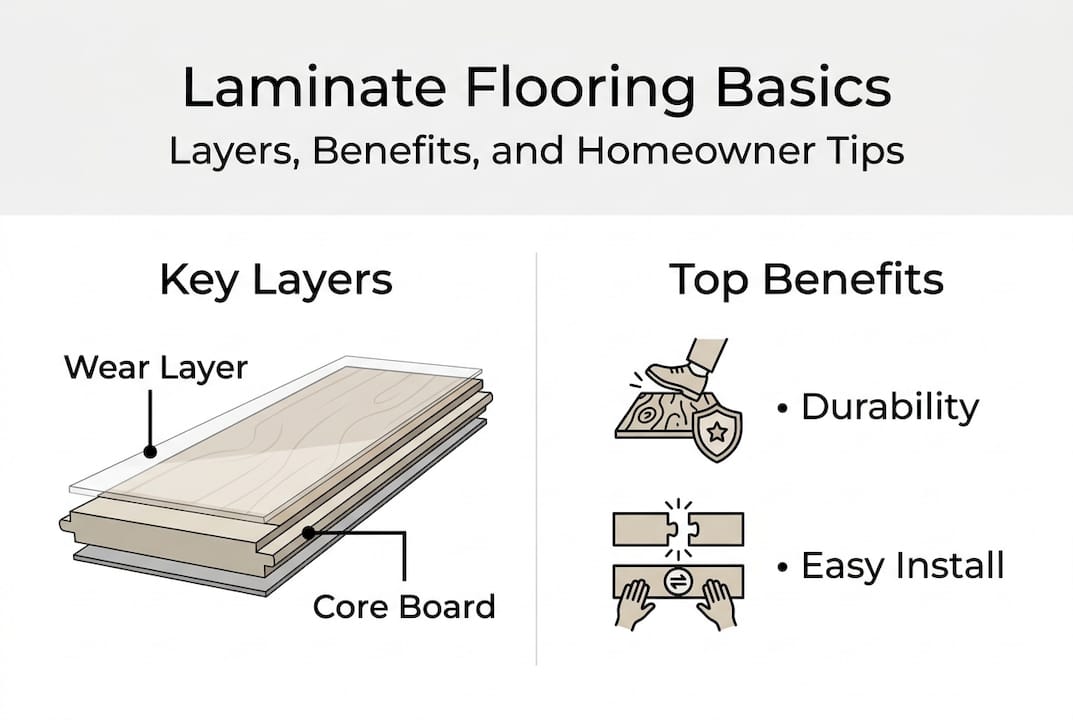
| Layer | Material | Purpose |
|---|---|---|
| Wear layer | Clear aluminum oxide coating | Protects against scratches, stains, and fading |
| Decorative layer | High-resolution photographic film | Creates the realistic wood, stone, or tile look |
| Core layer | High-density fiberboard (HDF) | Provides structural strength and stability |
| Backing layer | Melamine or moisture barrier | Balances the plank and resists subfloor moisture |
The decorative layer is where laminate really shines. Modern printing technology produces images so realistic that guests often cannot tell the difference between laminate and genuine hardwood or natural stone. You get the look without the price tag.
Laminate works well in a wide range of rooms. Here are the most common applications in South Florida homes:
- Living rooms and family rooms: High foot traffic, stylish appearance needed
- Bedrooms: Comfort underfoot, easy to clean
- Home offices: Durable against chair wheels and daily use
- Hallways and entryways: Scratch resistance is a major plus
- Dining rooms: Spill-resistant surface makes cleanup simple
When you explore flooring types for South Florida, laminate consistently stands out for its combination of affordability, visual variety, and installation speed. Most laminate systems use a click-lock mechanism, meaning a skilled installer can complete a room in a fraction of the time it takes to lay tile or nail down hardwood.
Pro Tip: Look for laminate rated AC3 or higher (the AC rating measures wear resistance). AC3 handles moderate commercial traffic, which means it will hold up easily in even the busiest household.
Laminate vs. other popular flooring: Vinyl, engineered wood & tile
Now that you know what laminate flooring is, see how it compares to other popular choices for Southern climates. Each material has a different personality, and the right pick depends on your lifestyle, budget, and the specific room you are upgrading.
Laminate is generally more cost-effective and realistic-looking than vinyl but may have a shorter lifespan if exposed to moisture. That single tradeoff shapes almost every comparison below.
| Feature | Laminate | Vinyl (LVP) | Engineered wood | Ceramic tile |
|---|---|---|---|---|
| Water resistance | Moderate | Excellent | Moderate | Excellent |
| Durability | High | High | High | Very high |
| Realistic look | Very good | Good | Excellent | Good |
| Cost per sq. ft. | Low | Low to mid | Mid to high | Mid |
| Refinishable | No | No | Sometimes | No |
| Comfort underfoot | Good | Good | Very good | Poor |
Here is a quick breakdown of which rooms suit each material best:
- Laminate: Living rooms, bedrooms, offices, dining rooms
- Vinyl (LVP): Kitchens, bathrooms, laundry rooms, basements
- Engineered wood: Living rooms, bedrooms, low-humidity areas
- Ceramic tile: Bathrooms, kitchens, outdoor-adjacent spaces
For South Florida specifically, moisture resistance is the deciding factor in many rooms. If you want to compare vinyl flooring options side by side, vinyl wins in wet zones. But in dry living spaces, laminate often looks more premium and costs less per square foot.
Many homeowners also underestimate how much the advantages of vinyl flooring overlap with laminate in terms of installation ease and design variety. The key difference is that vinyl is 100% synthetic and waterproof, while laminate's core is wood-based and can swell if water sits on it.
If you are following 2026 flooring trends, wide-plank laminate in gray and warm oak tones is extremely popular right now. It gives living spaces a modern, airy feel without the cost of real hardwood.
Pros and cons of laminate flooring for South Florida homes
With those comparisons in mind, let's review exactly where laminate shines and where it struggles in South Florida homes.
Top reasons homeowners choose laminate:
- Affordable price point: Laminate typically costs $1 to $5 per square foot for materials, making full-home installs budget-friendly.
- Wide style variety: Hundreds of wood, stone, and tile looks available in one product category.
- Scratch and dent resistance: The wear layer handles pets, kids, and furniture better than many expect.
- Comfortable underfoot: Unlike tile, laminate has a slight give that makes standing for long periods easier.
- Fast installation: Click-lock systems mean less labor time and lower installation costs.
Main drawbacks to consider:
- Moisture vulnerability: Engineered wood can warp more easily in humidity than laminate, but laminate's downside is potential for water damage if flooded.
- Not refinishable: Once the wear layer is gone, you replace the floor, not sand and refinish it.
- Lower resale impact: Buyers and appraisers tend to value real hardwood or tile more highly.
- Hollow sound: Without proper underlayment, laminate can sound and feel thin underfoot.
Pro Tip: Many newer laminate products now include a water-resistant core, not just a surface coating. Ask specifically for "water-resistant laminate" rather than assuming all products are the same. It makes a real difference in Florida.
"The best floor for a humid climate is the one selected carefully and installed correctly. Material alone does not determine performance." This thinking applies directly to laminate in South Florida, where a well-chosen plank in a dry room will outlast a poorly installed premium product every time.
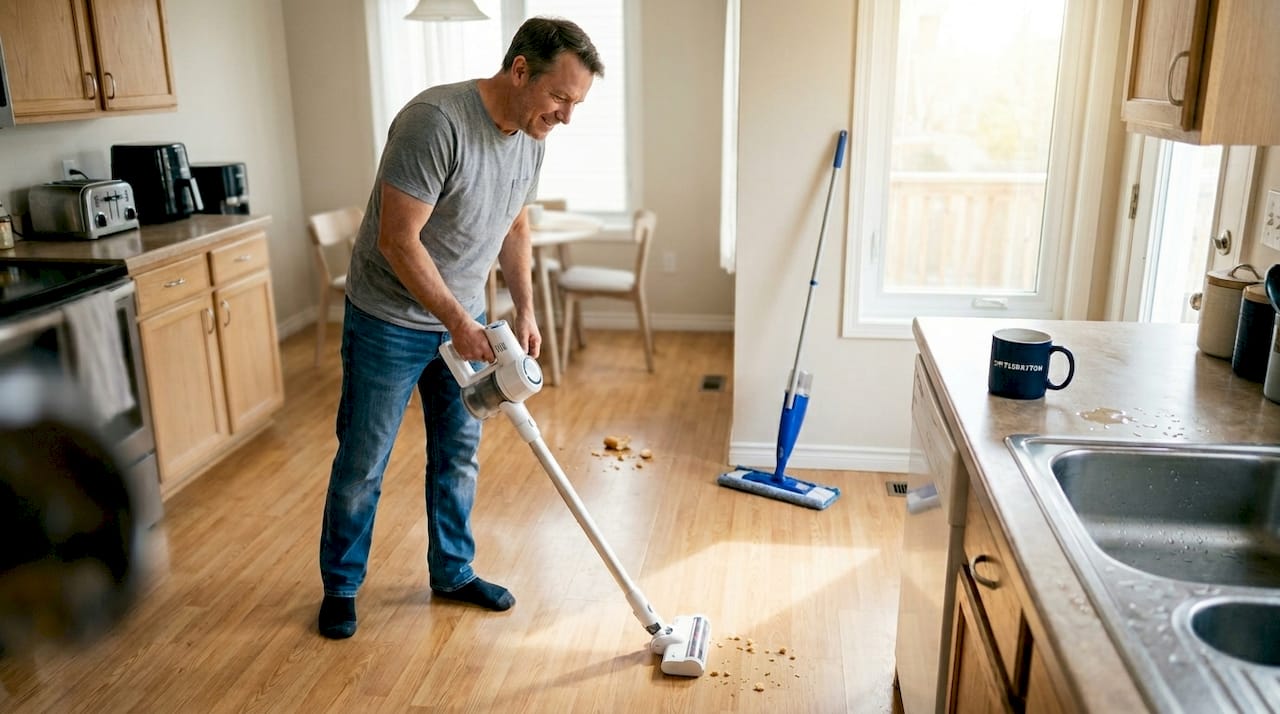
For daily maintenance, sweep or vacuum regularly to prevent grit from scratching the wear layer. Use a damp mop, not a wet one. Wipe spills immediately. Avoid steam cleaners entirely, as they force moisture into the seams. Comparing vinyl flooring pros and cons with laminate maintenance shows that vinyl is more forgiving with water, but laminate is easier to keep looking sharp with basic care.
For a broader look at what works in this region, the guide on top South Florida floors is a useful reference. And if you are ready to move forward, understanding the value of professional flooring installation can save you from costly mistakes down the road.
Choosing and caring for laminate flooring: Homeowner's guide
Knowing both the strengths and weaknesses, here's how to choose and keep the best laminate for your space.
Start with these selection factors before you buy a single plank:
- AC rating: Choose AC3 for residential use, AC4 if you have heavy foot traffic or pets.
- Thickness: 10mm to 12mm planks feel more solid and reduce hollow sound.
- Water resistance: Look for products with a sealed core or waterproof backing.
- Style and finish: Matte finishes hide scratches better than high-gloss options.
- Warranty length: A 25-year residential warranty is the benchmark for quality products.
Best rooms for laminate in a South Florida home:
- Living rooms and dens
- Master bedrooms and guest rooms
- Home offices
- Dining rooms
- Hallways
Avoid laminate in bathrooms, laundry rooms, and any space where standing water is common.
Careful selection and maintenance are key to longevity with laminate flooring in humid climates. For daily care, dry sweeping or vacuuming removes the fine debris that scratches surfaces over time. For deeper cleaning, use a manufacturer-approved laminate cleaner and a well-wrung mop.
Pro Tip: Always install a quality underlayment beneath your laminate. A moisture-barrier underlayment adds a critical layer of protection between your subfloor and the planks, which is especially important in South Florida where concrete subfloors are common. Read more about choosing the best flooring underlayment before your project starts.
Know when to call a professional. Complex room layouts with angles, stairs, or transitions between flooring types are where DIY installs go wrong. If you are unsure about hiring a flooring contractor, a quick consultation can save you from expensive repairs later.
Our perspective: Why laminate works better in South Florida than most think
After years of working with South Florida homeowners, we have seen a clear pattern. Laminate gets dismissed too quickly, usually based on outdated information or one bad experience with a low-quality product installed without proper prep.
The truth is that laminate may be overlooked but offers unique perks in Florida's climate when selected and installed carefully. We have seen 12mm water-resistant laminate hold up beautifully in living rooms and bedrooms for over a decade, even in homes without central air running 24 hours a day.
The real issue is never the material itself. It is the combination of wrong product selection, missing underlayment, and poor seam sealing that causes failures. When those three things are done right, laminate performs exceptionally well in the dry zones of any Florida home.
New water-resistant core technology is shifting the equation further. Products that would have failed in 2010 now handle everyday spills and moderate humidity without issue. If you want to see how laminate fits into the bigger picture of best options for South Florida, the comparison is more competitive than most people expect.
Ready to upgrade? Explore laminate flooring solutions
If you are considering new floors, here's how to make your upgrade effortless and smart.

Choosing laminate is only half the decision. Getting it installed correctly is what determines whether your floors look great for five years or fifteen. At Floor2You, we help South Florida homeowners find the right laminate for their lifestyle, their rooms, and their budget. From product selection to final installation, we handle every step with the same attention to detail we bring to every project. Explore laminate flooring at Floor2You and see what a difference expert guidance makes. You can also learn more about the benefits of professional installation before you commit to a product or a plan.
Frequently asked questions
Is laminate flooring waterproof?
Most laminate floors are water-resistant, not waterproof. Laminate may last less if moisture-exposed than vinyl, so prolonged standing water or flooding can cause swelling and damage.
How long does laminate flooring last in South Florida?
With proper care and a quality product, laminate can last 10 to 20 years even in humid climates. Careful selection and maintenance are the biggest factors in how long your floors hold up.
Is laminate flooring a good option for kitchens and bathrooms?
Laminate performs well except in moisture-prone areas. Kitchens with prompt spill cleanup can work, but bathrooms are generally not a good fit due to constant humidity and water exposure.
Can laminate flooring increase home value?
Laminate improves the look and feel of your home, but it typically does not raise resale value as much as real hardwood or tile. Laminate has lower resale value compared to natural materials, though it still makes a strong impression on buyers.