
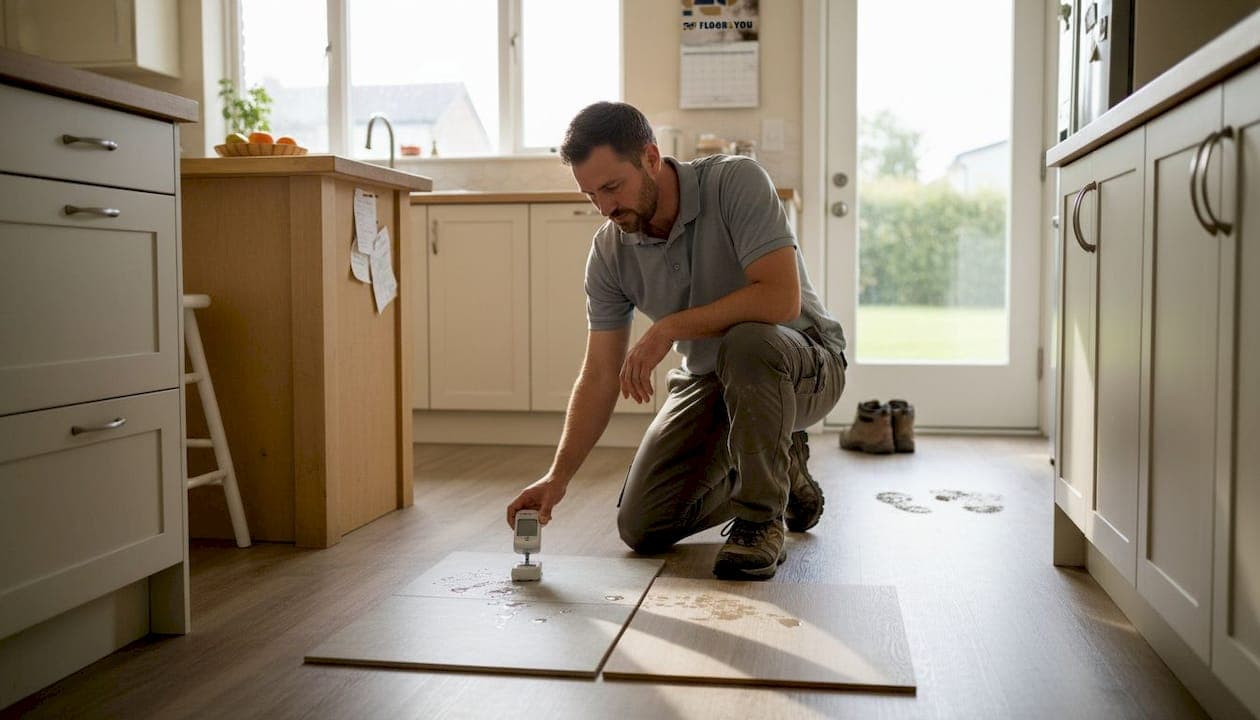
TL;DR:
- True waterproof flooring is completely impermeable to water, unlike water-resistant products.
- Popular waterproof options in South Florida include SPC vinyl, porcelain tile, epoxy, and sealed concrete.
- Proper installation and understanding product warranties are crucial to ensure long-lasting waterproof performance.
Most homeowners assume any floor labeled "waterproof" will hold up to whatever South Florida throws at it. That's a costly assumption. Flooring types marketed as waterproof are often just water-resistant products that temporarily repel moisture but eventually absorb it. In a region where afternoon downpours, high humidity, and the occasional plumbing surprise are just part of life, that distinction isn't a technicality. It's the difference between a floor that lasts 25 years and one that buckles after a single leak. This guide breaks down what true waterproof flooring actually means, which types hold up best in South Florida homes, and how to make a smart, confident choice for your space.
Table of Contents
- What makes flooring waterproof?
- Types of waterproof flooring you'll find in South Florida homes
- Waterproof flooring vs. water-resistant: why the difference matters
- How to choose the right waterproof flooring for your home
- A flooring expert's take: what most homeowners miss about waterproof flooring
- Ready to explore stylish, waterproof floors for your home?
- Frequently asked questions
Key Takeaways
| Point | Details |
|---|---|
| Waterproof vs. water-resistant | Full waterproof floors resist all moisture and are key for South Florida homes, while water-resistant options may fail with heavy leaks. |
| Top flooring types | SPC/LVP, porcelain/ceramic tile, and epoxy are the main waterproof choices, each with different style and maintenance benefits. |
| Lifespan and value | Porcelain can last 50+ years and add resale value, while quality vinyl offers comfort and durability at lower cost. |
| Choosing smart | Factor in room use, moisture risks, budget, and climate; consult pros for installation and warranties. |
What makes flooring waterproof?
Not every floor that survives a spill qualifies as waterproof. True waterproof flooring is impermeable to liquid, meaning water cannot penetrate the material itself, cause swelling, or trigger degradation over time. That's a higher bar than most people realize.
The most common waterproof flooring materials you'll encounter include:
- Stone-plastic core luxury vinyl plank (SPC/LVP): A rigid, dense core made from limestone powder and PVC. SPC/LVP is 100% waterproof, and so are porcelain and ceramic tile with less than 0.5% water absorption, along with epoxy and sealed concrete.
- Porcelain and ceramic tile: Fired at extremely high temperatures, these tiles have near-zero porosity. Grout lines need sealing, but the tiles themselves won't absorb water.
- Epoxy and sealed concrete: Popular in garages and modern interiors, epoxy creates a seamless, non-porous surface that water simply cannot get through.
- Rubber flooring: Often used in gyms and utility spaces, rubber is naturally water-resistant and, when properly installed, fully waterproof.
The industry uses water absorption rate tests to distinguish these materials. Porcelain, for example, must have less than 0.5% absorption to earn its classification. SPC vinyl has a solid core with zero absorption. Contrast that with standard laminate, which has a wood-fiber core that swells on contact with standing water.
The key difference between waterproof and water-resistant comes down to what happens when water sits on the surface for more than a few minutes. Water-resistant floors buy you time. Waterproof floors give you peace of mind.
Understanding flooring underlayment tips is also critical here, because even a 100% waterproof plank can fail if moisture travels through the subfloor from below.
Pro Tip: When shopping for waterproof flooring, ask the manufacturer or retailer for full submersion test results, not just topical spill resistance data. A floor that handles a cup of water isn't necessarily one that handles a burst pipe.
Types of waterproof flooring you'll find in South Florida homes
Now that you know what waterproof actually means, here's how the most popular options stack up for South Florida homeowners.
| Type | Look & Feel | Avg. Cost Installed | Lifespan | Best Rooms |
|---|---|---|---|---|
| SPC/LVP | Wood or stone look, warm underfoot | $4–$8/sq ft | 15–25 years | Living rooms, kitchens, bedrooms |
| Porcelain/Ceramic Tile | Classic, cool underfoot | $6–$15/sq ft | 50+ years | Bathrooms, entryways, kitchens |
| Epoxy/Sealed Concrete | Modern, seamless | $3–$12/sq ft | 20–30 years | Garages, laundry, basements |
| Rubber Flooring | Soft, cushioned | $2–$8/sq ft | 20+ years | Gyms, utility rooms, playrooms |
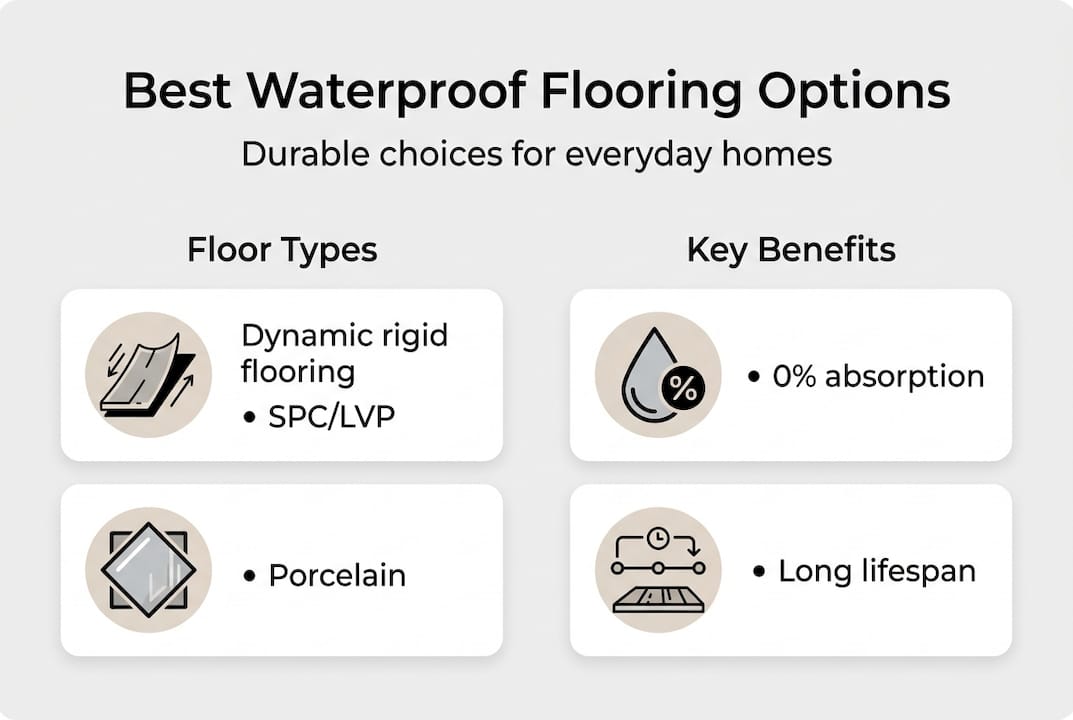
LVP/SPC carries a 15–25 year lifespan, while porcelain tile can exceed 50 years with proper care, and LVP typically costs $4–$8 per square foot installed.
Here's a quick breakdown of where each type performs best:
- SPC/LVP: Ideal for open-plan living areas, bedrooms, and kitchens where you want warmth and a wood look without the vulnerability of real hardwood. Explore vinyl flooring benefits to see why it's one of the fastest-growing choices in South Florida.
- Porcelain/Ceramic Tile: The gold standard for bathrooms and entryways. Virtually indestructible and available in hundreds of styles. Check out our tile flooring guide for selection tips.
- Epoxy/Sealed Concrete: Best for utility-heavy spaces. It handles heavy foot traffic, moisture, and even chemical spills.
- Rubber: Underrated for laundry rooms and home gyms where comfort and slip resistance matter.
One important myth to address: "waterproof laminate" is a marketing term that often describes highly water-resistant laminate, not a truly waterproof product. The core is still wood-based. In South Florida's humidity, that's a gamble. When comparing your options, reviewing best flooring types for the local climate gives you a clearer picture of what actually holds up year-round.
Waterproof flooring vs. water-resistant: why the difference matters
This is where homeowners most often get burned. The terms sound similar, but the real-world outcomes are very different.
| Feature | Waterproof | Water-Resistant |
|---|---|---|
| Water absorption | 0% | Low but present |
| Standing water tolerance | Indefinite | Minutes to hours |
| Swelling risk | None | Moderate to high |
| Best scenario | Floods, spills, humidity | Occasional light splashes |
| Example materials | SPC/LVP, porcelain tile | Standard laminate, some engineered wood |
Waterproof laminate resists water but swells less than 8% under exposure, meaning it is not fully waterproof and will eventually fail with sustained moisture contact.
In South Florida, this matters more than almost anywhere else in the country. You're dealing with:
- Seasonal flooding: Heavy rain events can push water under doors and into entryways fast.
- High ambient humidity: Even without a direct spill, moisture in the air can work its way into vulnerable flooring materials over months.
- Plumbing surprises: Older homes, especially in Miami-Dade and Broward counties, see their share of slow leaks and burst pipes.
A floor that handles everyday splashes is not the same as one that survives a slow leak behind your refrigerator for three days. That's the test most water-resistant floors fail.
The financial impact is real. Replacing buckled laminate after a water event costs far more than choosing the right waterproof floor upfront. Vinyl flooring advantages over water-resistant alternatives become very clear when you factor in replacement costs and the hassle of remediation.
Pro Tip: Before purchasing any floor labeled "waterproof," ask the brand to show you the specific warranty language around water damage. A true waterproof warranty covers full submersion and sustained moisture exposure. Anything less is just marketing. For wet rooms specifically, reviewing bathroom remodeling tips can help you avoid common installation mistakes that lead to water damage.
How to choose the right waterproof flooring for your home
With the comparisons and myth-busting out of the way, here's a practical framework for making your decision.
- Assess your home's moisture exposure. Is your home on a slab? Do you have rooms below grade? Does your kitchen or bathroom see heavy daily use? High-exposure rooms need the most robust waterproof options.
- Identify your must-have features. Do you want the warmth of a wood look? The cool feel of tile? Sound absorption? Comfort underfoot? Your lifestyle shapes the right material.
- Set a realistic budget. Factor in both material and installation costs. Cheaper materials often mean higher long-term costs if they fail.
- Match the type to the room. Tile for bathrooms and entryways. SPC/LVP for living areas and bedrooms. Epoxy for utility spaces. LVP leads new installs in residential settings, and tile offers 50+ year durability with the highest water resistance of any flooring type.
- Work with a professional installer. Even the best waterproof floor fails with poor installation. Gaps, improper underlayment, and unsealed edges are the most common points of failure. Learn why professional installation benefits go well beyond just saving time.
Questions to ask your retailer or installer before you commit:
- What is the water absorption rate for this specific product?
- Does the warranty cover standing water or only surface spills?
- What underlayment do you recommend for my subfloor type?
- How does this material perform in high-humidity environments?
- What's the maintenance routine to preserve the waterproof seal?
For South Florida specifically, also factor in salt air exposure near the coast, hurricane-season humidity spikes, and the resale expectations of your market. Hardwood floors see a 147% cost recovery on resale but are not waterproof, which is a real trade-off in this climate. Staying current on flooring trends can also help you choose something that looks great today and still appeals to buyers in five years.
A flooring expert's take: what most homeowners miss about waterproof flooring
Here's what no product brochure will tell you: the word "waterproof" on a box only tells you about the plank itself. It says nothing about what happens at the seams, around the edges, or beneath the floor.
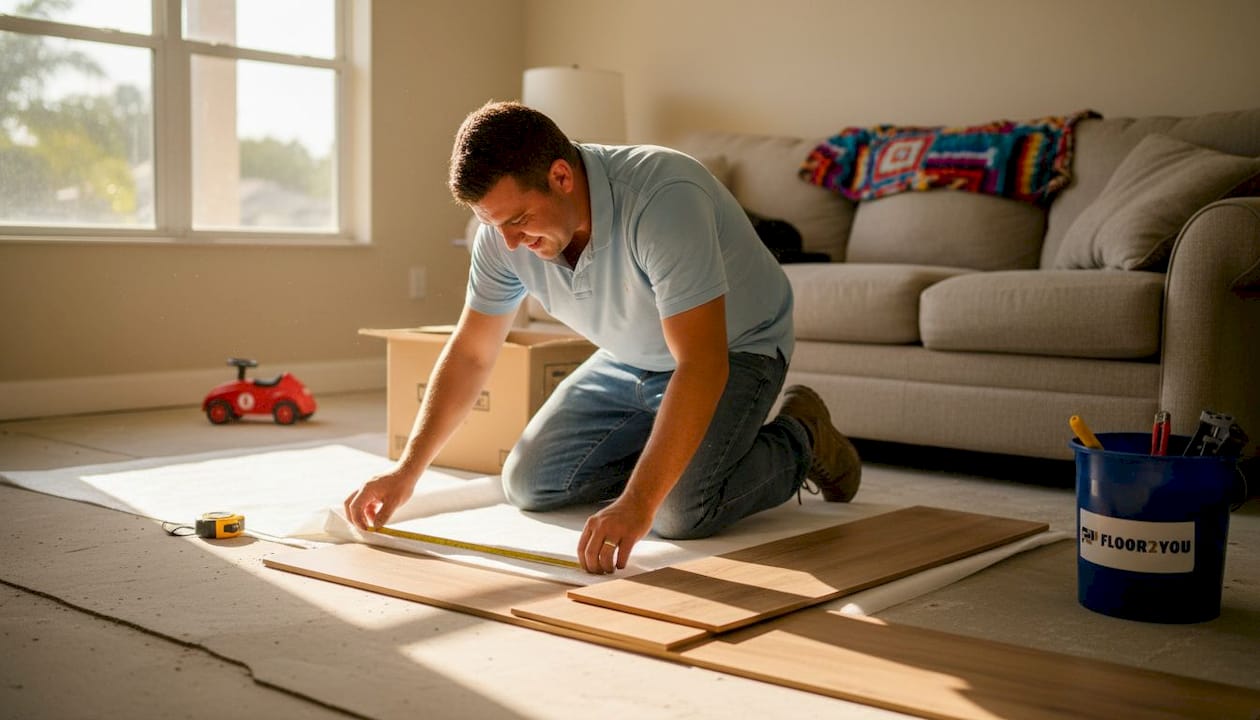
We've seen beautiful SPC floors installed in South Florida homes that failed within two years, not because the planks weren't waterproof, but because the installer skipped proper subfloor prep or left gaps at the perimeter. Water found its way under the floor and sat on the subfloor for months before anyone noticed.
The same goes for tile. The tile is waterproof. The grout, if unsealed, is not. Post-hurricane remediations have taught us that the weakest point in any waterproof floor system is almost always the installation, not the material.
Manufacturers also differ significantly in how they test and certify waterproof claims. Always get the full material specs and warranty terms in writing before you sign anything. And if a contractor can't explain the difference between topical water resistance and full core waterproofing, that's a red flag. Choosing the best types for South Florida starts with finding a team that understands the full picture, not just the product label.
Ready to explore stylish, waterproof floors for your home?
Choosing the right waterproof flooring is one of the smartest investments you can make as a South Florida homeowner. You now know what separates a truly waterproof floor from one that just looks the part.
At Floor2You, we help homeowners across South Florida find waterproof flooring that fits their style, budget, and the real demands of the local climate. From SPC vinyl to porcelain tile, our team handles everything from material selection to expert installation. We'll walk you through your options, give you honest recommendations, and make sure the job is done right the first time. Explore waterproof flooring options and request your in-home estimate today. No pressure, just real guidance from a team that knows South Florida homes.
Frequently asked questions
What's the difference between waterproof and water-resistant flooring?
Waterproof flooring is completely impervious to water penetration, while water-resistant floors only repel moisture temporarily and will eventually absorb it, leading to swelling and damage with sustained exposure.
Which waterproof flooring lasts the longest?
Porcelain and ceramic tile can last over 50 years with proper care, making them the most durable waterproof option, while LVP and SPC typically deliver 15–25 years of reliable performance.
Does waterproof flooring increase home value?
It can, especially in wet climates like South Florida. While hardwood sees 147% cost recovery on resale, waterproof options like porcelain tile offer strong durability and broad buyer appeal that supports long-term home value.
Where should I use waterproof flooring in my home?
Prioritize waterproof flooring in kitchens, bathrooms, entryways, laundry rooms, and any room that regularly sees moisture, humidity, or the possibility of standing water.