
TL;DR:
- Modern vinyl flooring is durable, water-resistant, and suitable for Florida's humid climate.
- SPC and WPC vinyl types are best for moisture and high traffic areas.
- Proper installation and protective coatings extend vinyl flooring's lifespan in South Florida homes.
If you still picture vinyl flooring as the flimsy, peel-and-stick sheets from a 1980s kitchen, it's time to update that mental image. Today's vinyl flooring is engineered to handle South Florida's brutal humidity, intense sun, and high foot traffic without breaking a sweat. It comes in realistic wood and stone looks, installs quickly, and costs a fraction of hardwood or tile. But not all vinyl is created equal, and picking the wrong type for your home can mean premature wear, fading, or even voided warranties. This guide breaks down exactly what vinyl flooring is, which types work best in Florida, how it stacks up against other options, and when to call a pro.
Table of Contents
- What is vinyl flooring made of?
- Types of vinyl flooring: LVP, LVT, SPC, and more
- How does vinyl flooring compare to other popular options?
- Pros and cons of vinyl flooring: Real-world performance
- DIY vs. professional installation: What's best for your home?
- Our take: What most guides miss about vinyl flooring in Florida
- Get started with expert vinyl flooring advice
- Frequently asked questions
Key Takeaways
| Point | Details |
|---|---|
| Water resistance | Vinyl flooring is highly resistant to moisture, making it perfect for humid or wet areas. |
| Cost and value | It offers affordability and comfort but may not add as much resale value as hardwood. |
| Install options | Go DIY for simple rooms, but hire a pro for complex spaces to avoid problems and protect warranties. |
| Product selection | SPC and LVP/LVT with a thick wear layer are best for South Florida homes with pets, kids, or frequent moisture. |
What is vinyl flooring made of?
Vinyl flooring is not just plastic sheeting. It's a carefully engineered product built in layers, each one doing a specific job. According to flooring composition data, vinyl flooring is primarily made from polyvinyl chloride (PVC) resin combined with additives like plasticizers, stabilizers, pigments, fillers such as limestone, and sometimes fiberglass for added stability. That combination is what gives vinyl its flexibility, durability, and water resistance.
Here's a quick look at the four main layers in a typical luxury vinyl product:
| Layer | Material | Function |
|---|---|---|
| Backing layer | Foam or felt | Cushion and stability |
| Core layer | PVC or stone composite | Rigidity and moisture barrier |
| Print layer | High-res photographic film | Realistic wood or stone look |
| Wear layer | Clear PVC coating | Scratch and stain protection |
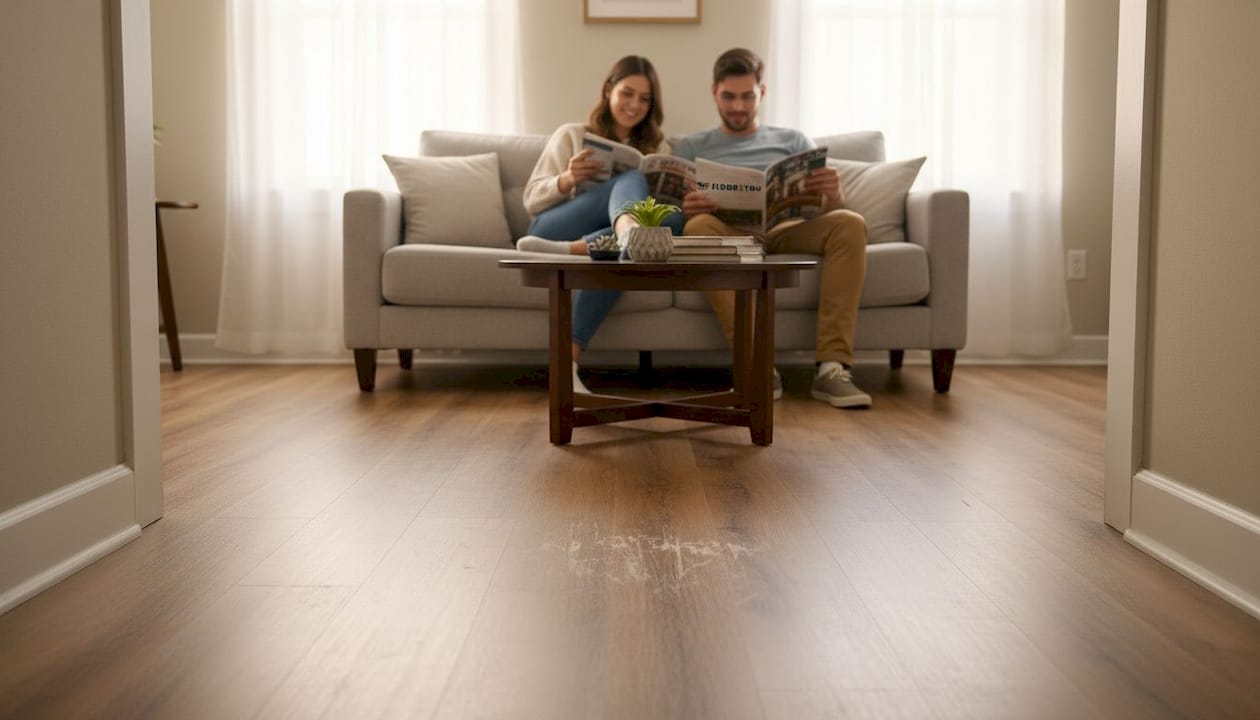
The wear layer is the most important part for South Florida homeowners. It's measured in mils (thousandths of an inch), and the thicker it is, the longer your floor holds up under foot traffic, pets, and furniture.
When it comes to indoor air quality, look for products labeled FloorScore certified or GREENGUARD Gold certified. These certifications confirm low VOC (volatile organic compound) emissions, which matters in Florida homes that stay closed up with air conditioning running most of the year.
Vinyl's PVC core also makes it naturally resistant to moisture, which is a huge deal in a state where humidity can hover above 80% for months at a time. Exploring modern flooring materials will show you just how far vinyl has come compared to older alternatives.
Key features that make vinyl Florida-friendly:
- Does not swell or warp from moisture like hardwood
- Handles temperature swings from AC to outdoor heat
- Easy to clean after sandy, wet feet track through the door
- Softer underfoot than tile, especially on bare feet
Pro Tip: If any room in your home gets direct afternoon sun through large windows or sliding glass doors, look specifically for vinyl products with a built-in UV coating. Florida's sun is intense enough to fade standard vinyl within a few years.
With the basics established, the next step is to understand the different options available.
Types of vinyl flooring: LVP, LVT, SPC, and more
The vinyl flooring aisle can feel like alphabet soup. LVP, LVT, SPC, WPC — these acronyms all mean something specific, and choosing the wrong one for your room is a costly mistake.
LVP (Luxury Vinyl Plank) mimics hardwood boards. It comes in long, narrow planks and is the most popular choice for living rooms, bedrooms, and open-plan spaces. LVT (Luxury Vinyl Tile) replicates stone or ceramic tile and works well in kitchens and bathrooms.
SPC (Stone Plastic Composite) is a rigid core vinyl that uses limestone powder mixed into the core. It's denser, more dimensionally stable, and handles heavy furniture without denting. WPC (Wood Plastic Composite) uses a foamed core that feels softer and warmer underfoot, but it's slightly less rigid than SPC.
| Type | Water resistance | Feel underfoot | Cost range (per sq ft) | Best room use |
|---|---|---|---|---|
| LVP | High | Moderate | $2 to $5 | Living rooms, bedrooms |
| LVT | High | Hard | $2 to $5 | Kitchens, bathrooms |
| SPC | Excellent | Firm | $3 to $7 | Any room, high traffic |
| WPC | Excellent | Soft/warm | $4 to $8 | Bedrooms, family rooms |
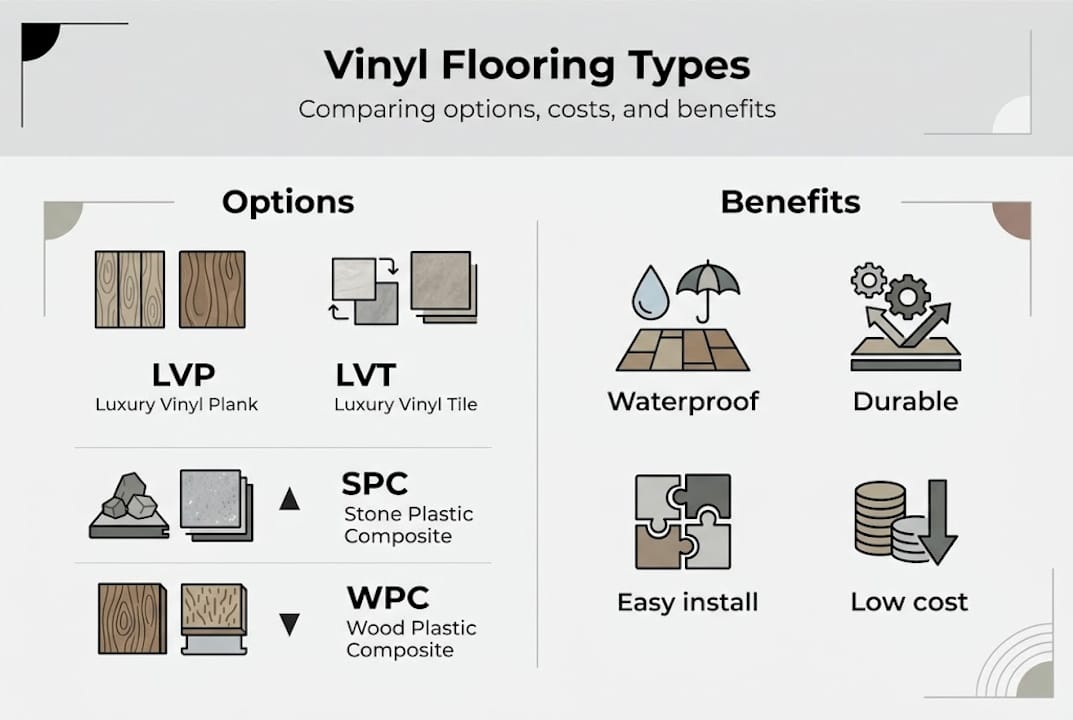
For South Florida homeowners, SPC LVP and LVT are the top picks for moisture-prone areas like kitchens and bathrooms, especially with a 12 to 20 mil wear layer for homes with kids or pets.
Quick pros and cons by type:
- SPC: Most stable in humidity, but can feel cold and hard without underlayment
- WPC: Comfortable and quiet, but slightly more prone to denting under heavy loads
- LVP/LVT without rigid core: Lower cost, but more susceptible to temperature-related expansion
Keeping up with vinyl flooring trends can also help you pick a style that stays current if you plan to sell in the next few years.
Understanding the types helps you zero in on which vinyl flooring is right. Now let's see how it compares to other choices.
How does vinyl flooring compare to other popular options?
Vinyl is not the only game in town. Laminate, hardwood, and tile all have loyal followings, and each has real strengths. Here's how they stack up for Florida homeowners.
| Flooring type | Price (per sq ft installed) | Water resistance | Lifespan | Maintenance |
|---|---|---|---|---|
| Vinyl (SPC) | $4 to $9 | Excellent | 15 to 25+ years | Very low |
| Laminate | $3 to $8 | Poor to moderate | 15 to 25 years | Low |
| Hardwood | $8 to $15 | Poor | 25 to 100 years | High |
| Tile (ceramic/porcelain) | $5 to $12 | Excellent | 20 to 50 years | Low to moderate |
The wear layer thickness tells the real durability story: a 12 mil wear layer suits residential moderate traffic and lasts 10 to 20 years, while 20 mil and above handles heavy traffic, pets, and kids for 20 or more years.
"Vinyl outperforms laminate in water resistance and can match it in longevity, but it's still perceived as less premium than real hardwood. Thicker products cost more upfront but deliver significantly longer life."
Hardwood looks beautiful and adds perceived resale value, but it warps and buckles in Florida humidity without serious climate control. Tile is tough and waterproof, but it's cold, hard, and unforgiving on joints. Vinyl vs. laminate shows vinyl winning on water resistance, though laminate can feel slightly more authentic underfoot in some products.
For resale value, tile and hardwood still carry more prestige in the South Florida market. However, quality vinyl in a realistic wood or stone finish is increasingly accepted by buyers, especially in rental properties and vacation homes.
Pro Tip: In entryways and high-traffic hallways, always go with a 20 mil or thicker wear layer. That's where you'll see wear first, and upgrading the wear layer there costs very little compared to replacing the floor in two years.
For a deeper look at how these options perform locally, check out the best flooring types for South Florida homes.
Pros and cons of vinyl flooring: Real-world performance
Knowing the technical specs is one thing. Knowing how vinyl actually holds up in a South Florida home is another.
Top pros of vinyl flooring:
- Fully waterproof or water-resistant, making it safe for kitchens, bathrooms, and laundry rooms
- Material costs run $2 to $8 per square foot, far below hardwood
- Comfortable and quieter underfoot than tile, especially with attached underlayment
- Low maintenance: sweep, mop, done
- Installs quickly, often floating over existing floors without adhesive
Real drawbacks you should know:
- SPC can dent under very heavy, concentrated loads like refrigerators or piano legs
- Direct sun exposure fades vinyl faster than tile or hardwood without UV coating
- Cannot be sanded and refinished like hardwood; damaged planks must be replaced
- Perceived as less premium than real wood, which can affect buyer expectations at resale
In Florida's climate, the humidity resistance is the standout benefit. While hardwood floors in coastal homes can gap, cup, or warp seasonally, quality vinyl stays flat and stable year-round. The sun fading issue is real, though. South-facing rooms with large windows are the most vulnerable, and without UV-protective coating or window treatments, even good vinyl can show color loss within three to five years.
Pro Tip: Pair window treatments or UV-blocking window film with your vinyl flooring in sun-drenched rooms. It's a small investment that extends the life and appearance of your floor significantly.
Once you've weighed the pros and cons, your next question might be installation. Let's address that.
DIY vs. professional installation: What's best for your home?
Vinyl flooring is one of the most DIY-friendly options on the market, but "DIY-friendly" does not mean "DIY-proof."
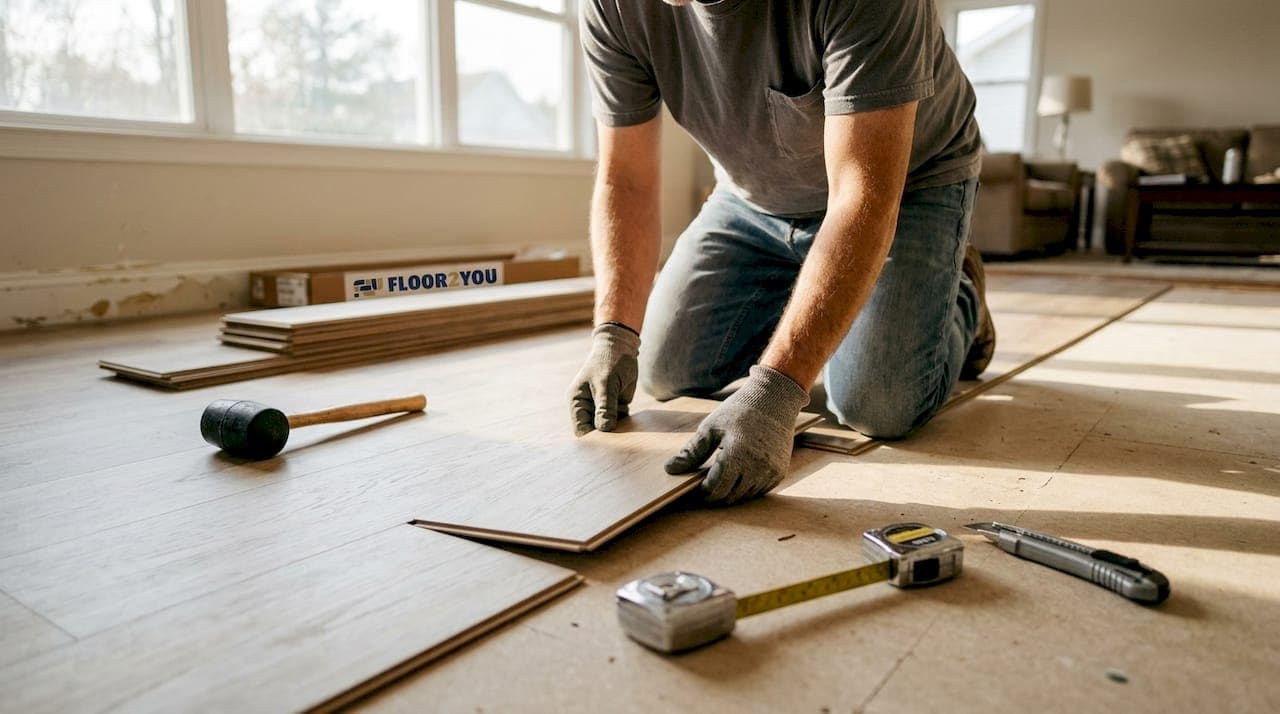
Click-lock vinyl over a flat, level subfloor is genuinely achievable for a motivated homeowner. But complex subfloors, transitions between rooms, stairs, or moisture issues underneath the slab require professional judgment and tools that most homeowners don't have.
If you're going DIY, here's how to prep correctly:
- Test subfloor moisture levels with a moisture meter before you buy anything
- Fill any dips or high spots greater than 3/16 inch over 10 feet with floor leveling compound
- Remove baseboards and door casings before laying the first plank
- Acclimate the vinyl in the room for 48 hours before installation
- Leave a 1/4 inch expansion gap around all walls and fixed objects
- Stagger end joints by at least 6 inches between rows for a stable, natural look
"Improper installation, including skipping subfloor prep or ignoring expansion gaps, is the leading cause of buckling, gapping, and voided manufacturer warranties on vinyl flooring."
Hiring a professional protects your warranty, catches subfloor problems before they become expensive, and typically delivers a cleaner finish around transitions and obstacles. For anything beyond a simple rectangular room, the cost of professional installation basics is almost always worth it.
Our take: What most guides miss about vinyl flooring in Florida
Most flooring guides treat vinyl as a budget choice and move on. We think that's the wrong frame entirely.
The homeowners we work with in South Florida who regret their vinyl purchase almost always skipped two things: UV protection and a thick enough wear layer. They saved $1 per square foot on a thinner product, then replaced the floor four years later at full cost. That's not savings. That's a more expensive mistake spread out over time.
Florida is genuinely different from other markets. The combination of humidity, intense UV exposure, and sandy foot traffic puts more stress on flooring than a typical northern climate. Choosing flooring choices in Florida without accounting for those conditions is like buying a car without checking if it handles rain.
The other thing guides skip is subfloor prep. In Florida, concrete slabs are standard, and moisture vapor transmission through concrete is a real problem. A floor that looks perfect on day one can bubble and lift within a year if the slab moisture wasn't tested and managed. Spending an extra day on prep is never wasted time here.
Buy the thicker product. Add the UV coating. Test the subfloor. Those three steps separate a floor that lasts 25 years from one that needs replacing in five.
Get started with expert vinyl flooring advice
Choosing the right vinyl flooring for your South Florida home is easier when you have someone who knows the local climate, the products, and the installation pitfalls working with you from the start.
At Floor2You, we help South Florida homeowners select and install vinyl flooring that actually holds up to the heat, humidity, and lifestyle demands of living here. Whether you're renovating a kitchen, updating a rental property, or refreshing your entire home, we bring product knowledge and installation expertise to every project. We stay current on flooring trends for 2026 so you get a floor that looks great today and ages well. Reach out for a free consultation and get tailored recommendations built around your home.
Frequently asked questions
Is vinyl flooring waterproof?
Yes, most modern vinyl flooring is fully waterproof, making it one of the safest choices for kitchens, bathrooms, and laundry rooms in South Florida homes.
How long does vinyl flooring last?
With proper care, vinyl flooring lasts 10 to 25 years or more depending on the wear layer thickness, with thicker products lasting longer under heavy use.
Can you put vinyl flooring in Florida's humid climate?
Absolutely. SPC LVP and LVT are specifically well-suited for humid environments and are among the most recommended flooring types for Florida kitchens and bathrooms.
Does vinyl flooring increase home value?
Vinyl improves comfort and appearance, but resale value perception still lags behind real hardwood. It's a smart, cost-effective upgrade, especially for rental properties and high-traffic areas.
Recommended
- Best flooring types for South Florida homes 2026
- Modern flooring trends: styles, materials & tips for 2026
- How to install hardwood flooring: step-by-step guide
- Bathroom Remodeling Explained: Costs, Pitfalls & Smart Planning
- Understanding Hard Floor versus Carpet Care for Homes - Yarra Valley Carpet Cleaning