
TL;DR:
- Luxury vinyl plank is the most low-maintenance flooring option because it is waterproof and scratch-resistant. It requires simple daily sweeping and weekly damp mopping, and individual planks can be replaced if damaged. Porcelain tile offers durability and water resistance but needs annual grout sealing to prevent staining.
Easy-clean flooring is defined as any floor material engineered to resist stains, moisture, and surface wear while requiring only basic routine care to stay looking its best. The types of easy-clean flooring options available today range from luxury vinyl plank and porcelain tile to laminate, engineered hardwood, and epoxy, each with distinct maintenance profiles. Choosing the right one depends on your household's traffic level, moisture exposure, and budget. This guide breaks down every major category so you can match the floor to your life, not the other way around.
1. Types of easy-clean flooring options: luxury vinyl plank leads the list
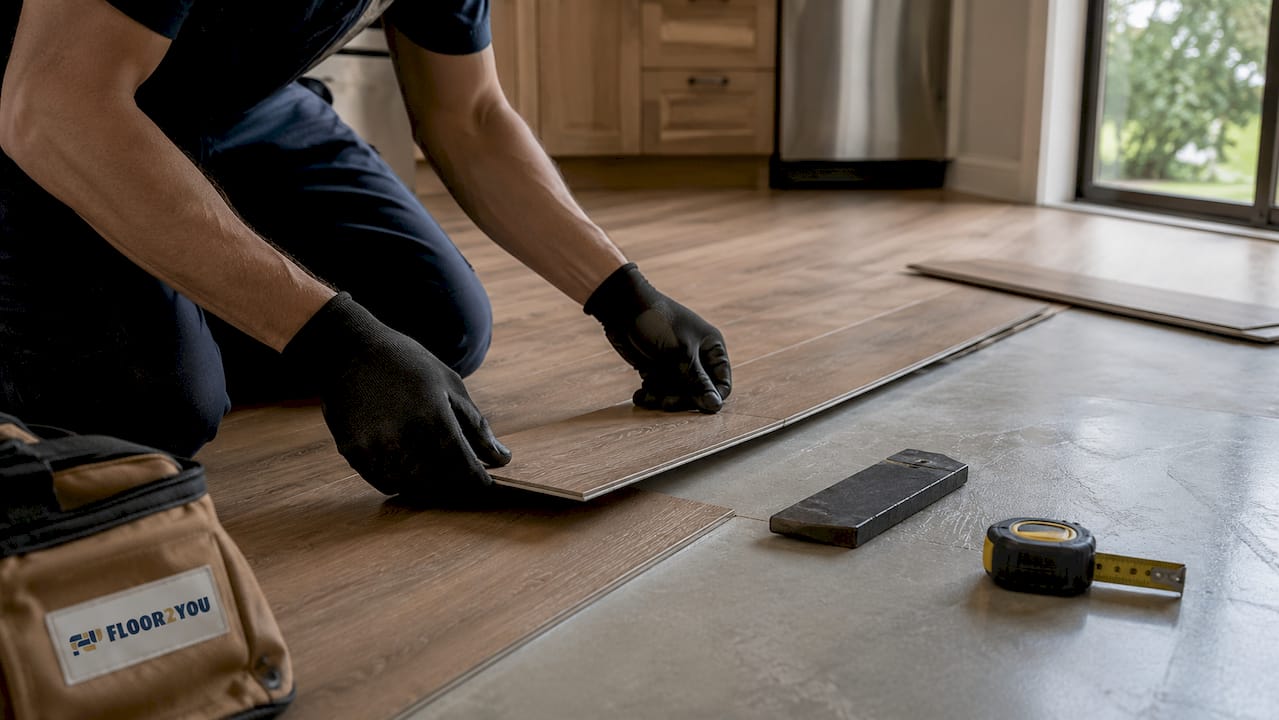
Luxury vinyl plank, commonly called LVP, is the top choice for low-maintenance households because it is 100% waterproof and scratch-resistant, requiring only regular sweeping and occasional damp mopping. That combination makes it the most forgiving floor you can install in a busy home. Spills, muddy paws, and dropped toys are no match for its rigid core construction.
LVP's cleaning routine is about as simple as it gets:
- Sweep or vacuum daily to remove grit that can dull the surface over time.
- Damp mop weekly with a pH-neutral cleaner.
- Avoid steam mops, which can loosen the adhesive layer beneath planks.
- Skip abrasive scrubbers that scratch the wear layer.
One feature that sets LVP apart from hardwood is repairability. Individual planks can be replaced if one section gets damaged, so you never face a full-floor refinishing project. That is a significant cost and time advantage for rental properties and family homes alike.
Pro Tip: Place felt pads under furniture legs on LVP floors. Heavy furniture dragged across the surface is the most common cause of wear-layer scratches, and felt pads eliminate that risk entirely.
For a deeper look at LVP performance in South Florida's humid climate, the Floor2you LVP guide covers product selection and installation specifics worth reading before you buy.
2. Ceramic and porcelain tile: durable and water-proof
Porcelain tile is the highest-rated flooring for durability. It does not wear out, scratch, or stain under normal use, and it is entirely waterproof. Tile and stone resist wear from foot traffic better than virtually every other option and won't warp or rot when exposed to standing water. That makes it the default choice for bathrooms, kitchens, and mudrooms.
The one maintenance challenge tile owners consistently underestimate is grout. Grout lines are porous and require annual sealing to prevent staining and mold growth. Skipping that step turns a beautiful floor into a cleaning headache within a year or two.
Key tile maintenance practices:
- Seal grout lines every 12 months with a penetrating grout sealer.
- Clean weekly with a pH-neutral tile cleaner and a microfiber mop.
- Choose textured tile finishes in wet areas for slip resistance.
- Wipe spills immediately to prevent grout absorption.
Pro Tip: When selecting tile for a high-traffic hallway or kitchen, choose a rectified porcelain tile with a grout joint of 1/8 inch or less. Narrower grout lines mean less surface area to seal and clean.
3. Laminate flooring: budget-friendly and low maintenance in dry spaces
Laminate is a budget-friendly, low-maintenance option built from a composite wood core topped with a photographic layer and a protective wear coating. It resists scratches well and costs significantly less than hardwood or LVP. The trade-off is water sensitivity, which limits where you can install it.
Laminate cleaning requires a damp mop rather than a wet one. Excessive water causes warping and permanent joint damage that no amount of drying will reverse. Prompt spill cleanup is not optional on laminate. It is the single most important maintenance habit for this floor type.
Best practices for laminate care:
- Sweep or vacuum daily using a soft-bristle attachment.
- Mop with a well-wrung microfiber mop and a laminate-specific cleaner.
- Clean spills within minutes to prevent moisture from reaching the core.
- Use area rugs near sinks and entryways to reduce water exposure.
Laminate works well in living rooms, bedrooms, and dining areas. For kitchens and bathrooms, vinyl outperforms laminate in water resistance and long-term durability, making it the safer choice in moisture-prone rooms.
Pro Tip: Never use a steam mop on laminate. The pressurized steam forces moisture into the seams and causes the core to swell, which is a repair that almost always requires full plank replacement.
4. Engineered hardwood: easy-care appeal with some limits
Engineered hardwood offers the warmth and look of solid wood with better dimensional stability in humid conditions. Its real wood veneer surface can be lightly damp mopped, unlike solid hardwood, which requires nearly dry cleaning. That makes it a practical choice for main living areas where aesthetics matter as much as function.
The maintenance ceiling on engineered hardwood is lower than on LVP or tile. The wood veneer can only be sanded and refinished a limited number of times before the surface layer is gone. Scratches from pets or heavy furniture are harder to hide than on vinyl, and water damage to the veneer is permanent. It suits households with moderate traffic and no pets better than it suits chaotic family homes.
5. Carpet: easy vacuuming but harder to keep truly clean
Carpet requires the least effort for daily upkeep. A weekly vacuum pass handles most surface dirt. The problem is what lives below the surface. Hard-surface floors outperform carpet for maintaining a hygienic home environment, particularly for households with allergy sufferers or pets. Carpet traps dander, dust mites, and pollen in its fibers in ways that vacuuming alone cannot fully address.
Carpet remains a reasonable choice for bedrooms where foot traffic is low and comfort is the priority. In kitchens, bathrooms, or entryways, it is the hardest floor to keep genuinely clean.
6. Natural stone: beautiful but high-maintenance
Natural stone, including marble, travertine, and slate, requires more maintenance than any other flooring category. Stone is porous and must be sealed regularly to resist staining. Acidic cleaners, including vinegar-based products, etch the surface permanently. The cleaning routine demands stone-specific products and careful technique.
Stone floors reward the effort with unmatched visual depth and longevity. They suit homeowners who prioritize aesthetics and are willing to follow a disciplined care schedule. For anyone who wants a floor they can clean quickly and forget about, stone is not the right fit.
7. Epoxy and polished concrete: the easiest surfaces to clean
Epoxy-coated concrete and polished concrete are the most cleanable surfaces available. Their non-porous, seamless finish means there are no grout lines, seams, or fibers to trap dirt. A single pass with a damp mop removes virtually everything. These floors are standard in commercial kitchens and garages precisely because of that property.
Residential use is growing, particularly in modern open-plan homes and South Florida properties where the cool, smooth surface suits the climate. The main limitation is hardness. Standing on concrete for long periods is uncomfortable without anti-fatigue mats, and dropped items break more easily on a concrete floor than on vinyl or laminate.
8. How to choose the best easy-clean floor for your home
The right floor depends on three variables: moisture exposure, foot traffic, and budget. Match those to the options above and the decision becomes straightforward.
Daily sweeping habits matter as much as the floor material itself. Abrasive grit left on any surface acts like sandpaper underfoot and degrades the finish faster than normal wear. That applies to LVP, tile, laminate, and hardwood equally.
| Room | Best flooring choice | Key reason |
|---|---|---|
| Kitchen | Porcelain tile or LVP | Waterproof, stain-resistant, easy to mop |
| Bathroom | Porcelain tile or LVP | Handles standing water without damage |
| Living room | LVP or laminate | Durable, scratch-resistant, budget-flexible |
| Bedroom | Laminate, engineered hardwood, or carpet | Lower moisture risk, comfort matters more |
| Mudroom or entryway | Porcelain tile | Handles dirt, grit, and wet shoes |
| Garage or utility room | Epoxy or polished concrete | Non-porous, chemical-resistant, easy to hose down |
For homes with pets, scratch-resistant hard surfaces reduce both cleaning time and long-term replacement costs. The Floor2you pet-friendly flooring guide covers specific product grades worth considering if you have dogs or cats.
Pro Tip: Before committing to any floor, request a physical sample and place it in the actual room for 48 hours. Lighting, humidity, and existing finishes all affect how a floor looks and performs in your specific space.
For South Florida homeowners weighing moisture resistance across all these categories, the waterproof flooring guide from Floor2you is a practical reference for narrowing down your options.
Key takeaways
The most effective easy-clean flooring strategy matches moisture resistance and scratch durability to the specific demands of each room in your home.
| Point | Details |
|---|---|
| LVP leads for busy homes | It is waterproof, scratch-resistant, and allows individual plank replacement without full-floor refinishing. |
| Tile is the most durable option | Porcelain tile resists water, stains, and traffic for decades, but grout requires annual sealing. |
| Laminate suits dry rooms only | Water sensitivity limits laminate to living rooms and bedrooms; use vinyl in kitchens and baths. |
| Daily sweeping protects any floor | Removing abrasive grit daily prevents surface wear regardless of the flooring material. |
| Match floor to room function | Moisture exposure, traffic level, and budget should drive the choice, not aesthetics alone. |
What I've learned from watching floors hold up over time
The flooring decision most homeowners regret is choosing based on the showroom sample rather than their actual lifestyle. A light-colored, wide-plank LVP looks stunning in a display. In a house with two dogs and three kids, it shows every paw print between cleanings. That is not a flaw in the product. It is a mismatch between the floor and the household.
The detail I see overlooked most often is grout. Homeowners install beautiful porcelain tile, skip the annual sealing, and then wonder why the grout looks gray and dingy within 18 months. The tile itself is fine. The grout is doing exactly what unsealed grout does. A $15 bottle of penetrating sealer applied once a year prevents that entirely.
My honest recommendation for most busy households is LVP in wet and high-traffic zones, laminate in dry living spaces if budget is tight, and porcelain tile in bathrooms and mudrooms where water exposure is constant. That combination covers the full home at a reasonable cost with minimal ongoing maintenance. Aesthetics matter, but a floor you can clean in 10 minutes on a Tuesday morning is worth more than one you spend an hour scrubbing every weekend.
— G
Floor2you can help you find the right easy-care floor
Choosing between LVP, tile, laminate, and everything in between is easier when you have an experienced team walking you through the options for your specific rooms and budget.

Floor2you serves South Florida homeowners and renters with flooring installation services covering luxury vinyl, porcelain tile, laminate, and hardwood. The team handles everything from product selection through final installation, so you get the right floor installed correctly the first time. Whether you are renovating a single bathroom or updating an entire home, Floor2you provides straightforward guidance, honest timelines, and craftsmanship you can see in the finished result. Reach out for a quote and get a floor that works as hard as you do.
FAQ
What is easy-clean flooring?
Easy-clean flooring refers to floor materials designed to resist stains, moisture, and surface wear while requiring only basic routine care. Luxury vinyl plank, porcelain tile, and laminate are the most common examples.
Which flooring type is the easiest to maintain?
Luxury vinyl plank is the easiest to maintain overall. It is 100% waterproof, scratch-resistant, and needs only sweeping and occasional damp mopping to stay clean.
Is laminate flooring good for kitchens?
Laminate is not ideal for kitchens because it is sensitive to moisture and can warp if water reaches the core. Porcelain tile or LVP are better choices for kitchen floors.
How often does tile grout need to be sealed?
Tile grout requires sealing approximately once per year. Skipping annual sealing allows grout to absorb stains and harbor mold, which significantly increases cleaning effort.
What flooring is best for homes with pets?
Scratch-resistant hard-surface floors like LVP and porcelain tile are best for homes with pets. They resist claw marks, repel moisture from accidents, and clean up faster than carpet or hardwood.