
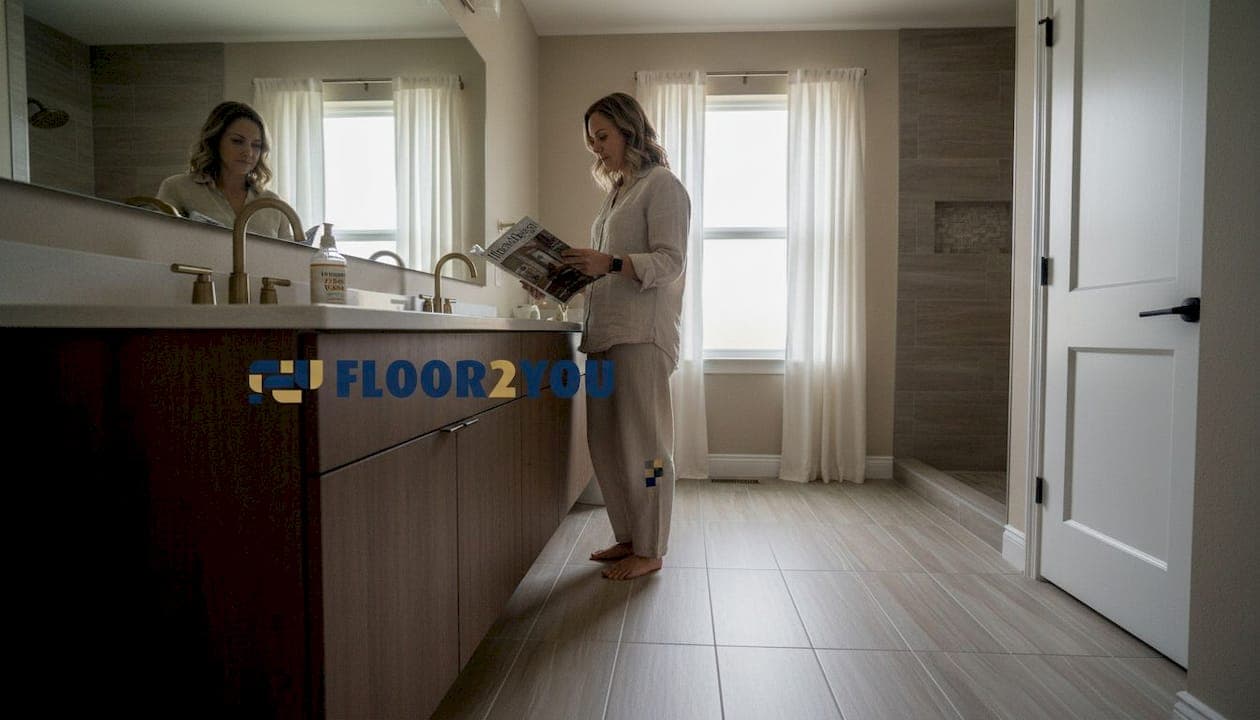
TL;DR:
- South Florida bathrooms require durable, hurricane-resistant, and low-maintenance materials that meet strict local codes. Trending designs include biophilic and smart wellness features, with larger showers replacing tubs for practicality and style. Prioritizing practical, code-compliant upgrades yields better long-term value than luxury-focused renovations in this climate.
South Florida bathrooms face a tougher set of demands than almost anywhere else in the country. Between relentless humidity, hurricane-season exposure, strict local building codes, and the ever-present need to appeal to buyers and renters alike, every remodel decision carries real weight. The good news is that 2026's most compelling bathroom trends align surprisingly well with what works here locally. Whether you own a Boca Raton condo, manage a Miami short-term rental, or are simply ready to refresh your Fort Lauderdale home, the right upgrades can deliver lasting style, lower maintenance, and measurable property value gains.
Table of Contents
- What makes a trend relevant for South Florida bathrooms?
- Trend #1: Biophilic and organic designs
- Trend #2: Smart technology for hygiene and convenience
- Trend #3: Sanctuary wellness spaces and expanded showers
- Trend #4: What's out and what's timeless?
- Permits, codes, and workflow in South Florida: What to know before you start
- Our take: Ignore the luxury hype — choose practical, code-smart upgrades for lasting returns
- Ready to bring your bathroom vision to life?
- Frequently asked questions
Key Takeaways
| Point | Details |
|---|---|
| Choose locally-suited materials | Prioritize durable, hurricane-resilient, and easy-to-clean materials to maximize value and stand up to the South Florida climate. |
| Smart tech adds real benefits | Integrate features like sensor faucets and app-controlled lighting for daily convenience, hygiene, and energy savings. |
| Wellness and accessibility matter | Expanded, amenity-rich showers and wellness features appeal to modern buyers and make homes future-proof. |
| Permits and codes differ locally | Don’t overlook permits and HOA rules—timely compliance avoids costly delays and legal headaches. |
| Timeless upgrades win over luxury fads | Classic transitional designs and midrange upgrades yield better returns than fleeting luxury trends. |
What makes a trend relevant for South Florida bathrooms?
To prioritize the right upgrades, it pays to know which trends are truly suited to South Florida homes.
Not every trend you spot in a design magazine translates well to a subtropical climate. The real filter for South Florida homeowners is a combination of durability, local code compliance, and practical livability. Here's how to think through each:
- Humidity resistance: Materials that warp, crack, or stain in high-moisture environments will cost you more long-term. Porcelain tile, glass, and moisture-treated wood products hold up far better than natural wood or carpet.
- Hurricane resilience: South Florida's building code leans hard on storm-resistant construction. Any renovation touching windows, structural elements, or exterior-facing walls must comply with current Florida Building Code requirements.
- Low maintenance: Whether you live in the space or rent it out, bathrooms that are easy to clean and slow to show wear reduce turnover costs and keep guest or buyer impressions strong.
- Wellness value: Features like ventilation upgrades, filtered water fixtures, and ergonomic layouts are increasingly tied to perceived quality and rental premiums.
When planning a home remodel in South Florida, the NKBA recommends that South Florida homeowners prioritize hurricane-resilient materials and smart wellness features to boost resale value while adhering to strict codes, with midrange over luxury delivering the best ROI. That framework shapes everything that follows.
Pro Tip: Before committing to any finish or fixture, check whether your HOA or municipality requires pre-approval. Some South Florida communities have specific restrictions on tile colors, window modifications, or water-use fixtures. Understanding remodeling costs and smart planning upfront prevents costly surprises later.
You can also reduce your long-term upkeep burden by switching to eco-friendly cleaning products that are safe for the sealed surfaces and tile grouts common in modern bathroom designs.
Trend #1: Biophilic and organic designs
With the right criteria in mind, let's explore the first major trend reshaping local bathrooms.
Biophilic design, which means bringing nature-inspired elements into interior spaces, has moved from boutique hotels into everyday South Florida homes. And it makes perfect sense here. When your outdoor environment is lush and tropical, mirroring that sensibility inside creates a seamless, calming transition.
The most popular material choices right now include:
- Large-format porcelain tiles in stone or wood looks, which minimize grout lines and resist moisture exceptionally well
- Natural stone accents like travertine, marble, and limestone for countertops and shower niches
- Wood vanities and cabinetry, particularly in teak, bamboo, or water-resistant engineered wood finishes
- Woven or rattan accessories for towel storage and decorative layering
Color is shifting fast. According to NKBA 2026 bath trends, biophilic and organic designs using natural stone, wood accents, large-format porcelain tiles, and earthy tones like sage green, terracotta, and warm neutrals now prevail over cool grays and all-white schemes. That cold, clinical look that dominated for a decade is firmly on its way out.
Empirically, the numbers back this up. An NKBA survey of 700 professionals found that off-white tones are the top neutral choice at 58%, while wood vanities lead at 62% adoption, with larger showers rounding out the top preferences. What's notable is that industry pros emphasize timeless over trendy, which is smart advice for South Florida property managers thinking about long-term rental or resale appeal.
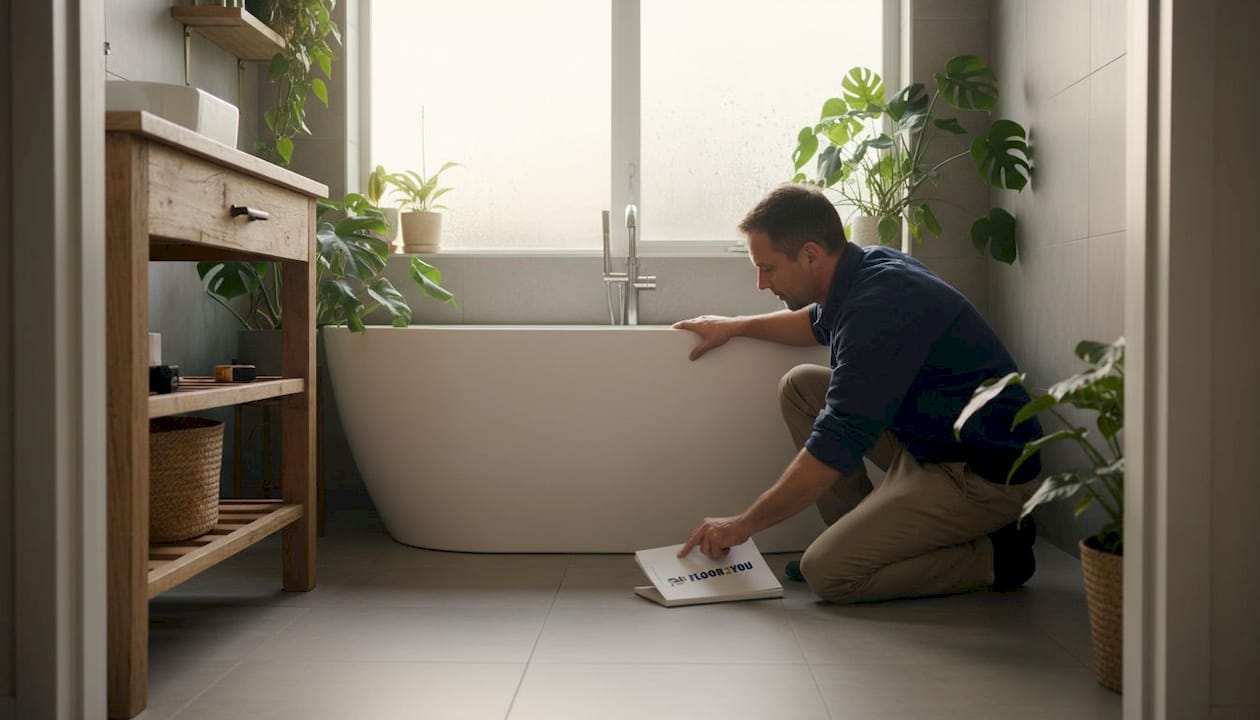
If you're exploring material options for floors and walls together, check out the latest modern flooring trends and also the best flooring options for South Florida to find the right combination for your specific climate zone.
Pro Tip: For a biophilic bathroom that stays fresh in South Florida's heat and humidity, choose large-format tiles (24x48 inches or larger) with a honed or matte finish. They stay cooler underfoot, show fewer water spots, and require far less grout maintenance than smaller mosaic tiles.
Trend #2: Smart technology for hygiene and convenience
Nature-inspired spaces are big, but integrating technology now takes bathrooms to a whole new level.
Smart bathroom technology has matured well beyond novelty gadgets. Today's products are durable, energy-efficient, and genuinely useful for both primary residences and rental properties. In a market where guests and buyers increasingly expect modern amenities, a well-equipped bathroom stands out.
Key features gaining rapid adoption include:
- App-controlled lighting and exhaust fans that adjust automatically based on time of day or humidity levels
- Smart toilets and bidet seats with heated seats, self-cleaning functions, and adjustable water pressure
- Touchless and sensor-activated faucets that cut water waste and reduce surface contact
- Smart mirrors with built-in lighting, defogging, and Bluetooth audio
- Moisture and mold sensors that alert you to humidity spikes before visible damage occurs
According to bathroom design trends for 2026, smart technology integration including voice and app controls, sensor faucets, smart mirrors, and radiant floor heating is now standard practice in premium remodels, directly enhancing both hygiene and convenience.
Here's a quick comparison of the most impactful smart upgrades by category:
| Feature | Primary benefit | Best for |
|---|---|---|
| Sensor faucets | Water savings, hygiene | Rentals, family homes |
| Smart mirrors | Lighting control, defogging | Master baths, spa upgrades |
| Humidity sensors | Mold prevention, air quality | All South Florida bathrooms |
| Smart toilets | Comfort, reduced cleaning | Primary residences |
| Radiant floor heating | Comfort (especially on tile) | Cooler months, luxury appeal |
| App-controlled lighting | Energy efficiency, ambiance | Short-term rentals, master baths |
Understanding the full bathroom remodeling workflow matters here because smart technology typically needs to be planned before rough-in plumbing and electrical work begins. Retrofitting after the fact is possible but adds cost and complexity.
Trend #3: Sanctuary wellness spaces and expanded showers
In tandem with tech, wellness-focused renovations are transforming what it means to "escape" in your own home.
South Florida homeowners increasingly want their bathrooms to do more than just function. They want spaces that actually reduce stress, support recovery, and promote daily well-being. This shift toward sanctuary-style bathrooms is one of the most significant changes in residential design right now.
Here's how homeowners are building wellness into their bathroom footprints:
- Steam showers: Installed with a steam generator and sealed glass enclosure, these deliver spa-level relaxation and respiratory benefits at home.
- Aromatherapy dispensers: Built into shower systems, these allow essential oil diffusion during showers for a truly immersive experience.
- Layered LED lighting: A combination of task, ambient, and accent lighting lets users shift from energizing morning light to warm, calming tones in the evening.
- Curbless shower entries: These eliminate tripping hazards, simplify cleaning, and support aging-in-place needs, which is increasingly relevant as South Florida's population ages.
- Expanded shower footprints: Multiple showerheads, built-in benches, and niches for products make larger showers both functional and luxurious.
"Wellness features like steam showers, aromatherapy, and layered LED lighting are creating true sanctuary spaces at home. Bath footprints are expanding rapidly, with 72% of designers increasing overall square footage and 55% of new remodels choosing larger showers over tubs." — NKBA-KBIS 2026 Bath Trends Report
The shift away from soaking tubs is especially meaningful for South Florida properties. Tubs occupy significant floor space, require more water to fill, and are used far less frequently than showers in everyday life. Replacing a tub with a walk-in steam shower often reclaims useful square footage while adding more practical daily value.
From an accessibility standpoint, curbless entries and grab-bar-ready walls also make these bathrooms more universally appealing. Learn more about how these choices fit within the broader context of types of home renovations to understand where bathroom upgrades sit in a full renovation plan.
Beyond comfort, wellness spaces have documented health and productivity benefits when maintained properly, reinforcing why these upgrades resonate strongly with both owners and tenants.
Trend #4: What's out and what's timeless?
Staying updated is as much about knowing what to skip as what to include.
Here's a clear comparison of what's on its way out versus what's proving to have staying power:
| Out in 2026 | Timeless and recommended |
|---|---|
| Textured 3D or wavy tiles | Matte, large-format tiles |
| High-gloss finishes | Honed or satin finishes |
| Stark all-white schemes | Off-whites and warm neutrals |
| Single small vanities | Double vanities with storage |
| Chrome fixtures everywhere | Brushed nickel or matte black |
| Vessel sinks on countertops | Undermount or integrated sinks |
According to bathroom trends research for 2026, out trends include textured 3D or wavy tiles (which trap grime and are genuinely difficult to clean), glossy finishes, stark white schemes, and single vanities. The preferred replacements are matte surfaces, handcrafted or large-format tiles, dark wood vanities, and transitional styles, which 70% of designers consider the safest approach for lasting value.
A few additional points worth noting:
- Transitional style (classic meets modern) blends timeless architectural details with clean-lined fixtures, making it easy to update accessories over time without a full remodel
- Floating vanities continue to gain popularity because they visually expand small bathrooms and simplify floor cleaning
- Natural metal finishes like unlacquered brass or brushed bronze add warmth without the maintenance challenges of polished chrome
For South Florida specifically, matte surfaces have an extra practical advantage: they show less water spotting and mineral buildup, which matters in areas with harder water supplies.
Permits, codes, and workflow in South Florida: What to know before you start
Incorporating any trend effectively requires understanding the local process and avoiding compliance surprises.
South Florida's renovation landscape is shaped by some of the most detailed building codes in the country. The Florida Building Code sets strict standards for plumbing, electrical work, moisture barriers, and hurricane-resistant construction. Skipping permits is not just risky, it can result in having to undo completed work.
Here's the typical workflow for a South Florida bathroom remodel:
- Initial consultation and design: Define scope, select materials, and establish budget
- Permit application and HOA approval: This phase typically takes 1 to 2 weeks and is mandatory for plumbing, electrical, or structural changes
- Demolition: Remove existing fixtures, tile, and any damaged materials
- Rough-in work: Plumbing and electrical rough-ins, followed by required inspections
- Waterproofing and tile installation: Critical step in South Florida due to moisture exposure
- Fixture and finish installation: Vanities, toilets, lighting, mirrors, and accessories
- Final inspection: Required before the space can be used
According to a bathroom remodeling guide for Delray Beach, FL, the standard project timeline runs 2 to 8 weeks total, depending on scope and permit processing times.
Edge cases to plan for include flood zone restrictions, which may require elevated floor systems or specific drain designs, and HOA rules in condo buildings that govern noise levels during construction, acceptable work hours, and approved materials. Permits are mandatory for plumbing and electrical changes under Florida Building Code, and this applies to curbless shower conversions, water heater moves, and any layout changes.
Pro Tip: Budget an extra 10 to 15 percent as a contingency for older South Florida homes. Hidden moisture damage, outdated galvanized plumbing, and non-code-compliant wiring are common discoveries once demo begins. Having that buffer means you won't have to compromise on materials or finishes mid-project.
Review remodeling costs and pitfalls before signing any contract, and plan for ongoing exterior maintenance as part of your broader property upkeep strategy.
Our take: Ignore the luxury hype — choose practical, code-smart upgrades for lasting returns
With the major trends and process essentials covered, here's our candid view on making remodel decisions in South Florida.
We've seen it more times than we can count. A homeowner invests in a dramatic, magazine-worthy bathroom with imported stone, a freestanding soaking tub, and ornate fixtures, only to find that the space is harder to clean, the materials don't hold up to local humidity, and buyers or renters aren't willing to pay the premium they expected. Luxury for luxury's sake is expensive in the short term and underperforming in the long run.
What actually works in South Florida is a more practical mindset. The NKBA's guidance reinforces this directly, recommending that homeowners and property managers prioritize hurricane-resilient, low-maintenance materials and smart wellness features over pure luxury, with midrange upgrades consistently delivering better ROI.
Here's the contrarian truth: durability and ease of maintenance are the new luxury. A bathroom with matte large-format tile, a well-sealed wood vanity, a smart exhaust fan, and a spacious curbless shower communicates sophistication without requiring a small fortune to keep looking good. That's the sweet spot for South Florida.
For property managers specifically, this approach also reduces turnover costs and improves tenant satisfaction without requiring high-end finishes that attract wear. For homeowners thinking about resale, timeless transitional design with biophilic touches and smart tech integration is far safer than chasing bold trends that may date quickly.
Understand the full picture on remodeling costs and value before you invest, and anchor your decisions in what will serve you five to ten years from now, not just what looks good in a photo today.
Ready to bring your bathroom vision to life?
For those inspired to start, working with local experts ensures both beautiful results and code confidence.
Translating these trends into a real, code-compliant, beautiful bathroom takes more than good taste. It takes knowledge of South Florida's permit process, local supplier networks, and the kind of craftsmanship that holds up in a demanding climate. That's exactly where experience makes the difference.
Floor2You specializes in full bathroom remodels across South Florida, managing every step from initial design consultation through final inspection. Our team combines design insight with deep knowledge of Florida Building Code requirements, ensuring your project delivers on both style and compliance. Whether you're upgrading a primary home, refreshing a rental property, or preparing a space for sale, we bring the local expertise and project management skills to keep your remodel on time, on budget, and on point. Reach out today for a personalized quote and let's get started on the bathroom you've been planning.
Frequently asked questions
Which bathroom trend adds the most resale value in South Florida?
Biophilic designs with wood vanities and smart technology integration consistently boost buyer appeal and market value in this region, with wood vanities preferred by 62% of design professionals surveyed by NKBA.
Do I always need a permit for bathroom remodeling in Florida?
Yes, permits are required for any plumbing, electrical, or structural changes under Florida Building Code, and condo owners also need HOA approval before work begins.
Is it worth installing luxury features like a soaking tub?
In South Florida, space-efficient walk-in showers and wellness features outperform soaking tubs for function and ROI, with 55% of remodels now choosing expanded showers over tubs.
How long does a South Florida bathroom remodel typically take?
Most projects run 2 to 8 weeks total, covering design, permits, demolition, installation, and final inspections, depending on project scope.
What upgrades make cleaning and maintenance easier?
Matte and large-format tiles, touchless fixtures, and humidity-resistant materials reduce cleaning time significantly, and avoiding textured or wavy tiles eliminates one of the most common grout-cleaning headaches in older bathroom designs.