

TL;DR:
- Effective lighting in remodeling relies on layered planning, early coordination, and human-centric strategies. Properly integrating ambient, task, and accent lighting enhances ambiance, functionality, and energy efficiency. Consulting professionals early ensures the lighting design complements your space and supports long-term comfort and style.
Lighting is the single design element that determines whether a remodeled space feels finished or flat. The role of lighting in remodels goes far beyond choosing fixtures. It shapes ambiance, defines functional zones, highlights architectural details, and directly affects how you feel in a room. Professional designers refer to this discipline as lighting design, and it draws on three core strategies: layered lighting, Human Centric Lighting (HCL), and energy-efficient smart controls. Get these right, and your remodel looks intentional. Get them wrong, and even expensive finishes fall short.
What is layered lighting and why does it matter in remodels?
Layered lighting is the practice of combining three distinct light types to create depth, function, and visual balance in a room. The three layers are ambient, task, and accent lighting. Each serves a different purpose, and relying on a single overhead source leads to eye strain, flat aesthetics, and rooms that feel uninviting regardless of how well the rest of the remodel turned out.
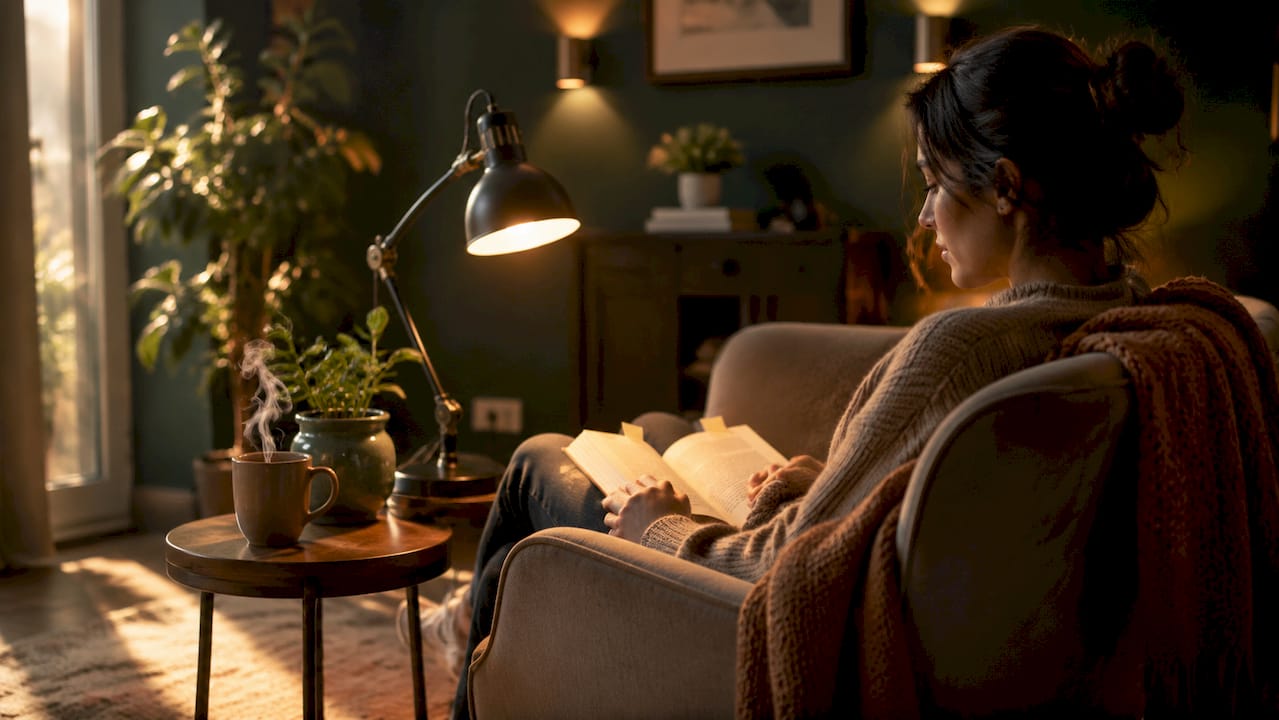
Ambient lighting is the base layer. It provides general illumination through ceiling fixtures, recessed lights, or chandeliers. It sets the overall brightness level in a room but cannot do the job alone.
Task lighting targets specific work areas. Under-cabinet lights in a kitchen, vanity strips in a bathroom, and reading lamps in a bedroom all fall into this category. Task lighting reduces shadows where you need precision, whether you are chopping vegetables or applying makeup.
Accent lighting is the layer most homeowners skip. It highlights architectural features, artwork, or materials like tile and wood grain. Wall sconces, picture lights, and directional spotlights all serve this purpose. Accent lighting creates the visual interest that makes a remodeled space look designed rather than assembled.
The table below shows how each layer functions and which fixtures typically deliver it.
| Layer | Primary Function | Common Fixtures |
|---|---|---|
| Ambient | General illumination | Recessed lights, chandeliers, flush mounts |
| Task | Focused work light | Under-cabinet strips, vanity bars, desk lamps |
| Accent | Highlighting features | Wall sconces, track lights, picture lights |
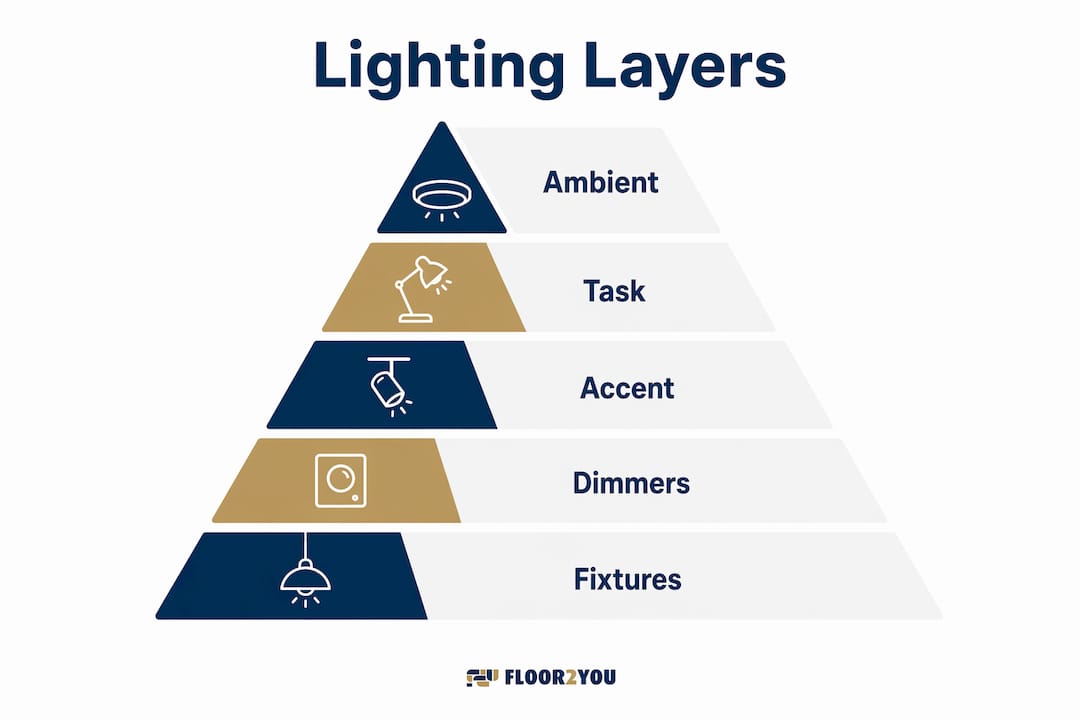
Independently dimmable circuits for each layer are the standard in well-planned renovations. An "all-on" or "all-off" setup signals poor planning and limits how you use the space throughout the day.
Pro Tip: Wire each lighting layer on its own circuit with a dedicated dimmer. This lets you shift from bright task mode during cooking to soft ambient mode for dinner without touching a single fixture.
How does human centric lighting influence your remodel?
Human Centric Lighting (HCL) is a design approach that aligns artificial light with your body's natural circadian rhythm. It is one of the fastest-growing concepts in residential lighting design, and it has direct implications for how you plan a remodel.
The core principle is straightforward. Blue-rich LED lights disrupt melatonin production and interfere with sleep cycles. Blue-depleted alternatives maintain the same perceived brightness in the evening without the biological harm. This distinction matters most in bedrooms, bathrooms, and living rooms where you wind down after 7 p.m.
HCL goes beyond just swapping bulbs. Dynamic lighting systems that adjust color temperature throughout the day improve comfort and protect biological health. Cold, blue-toned light in the morning increases alertness. Warm, amber-toned light in the evening supports relaxation. Fixtures from brands like Philips Hue and LIFX support tunable white technology, which lets you program these shifts automatically.
Practical HCL applications in common remodel spaces include:
- Kitchens: Use cool white light (4,000–5,000K) for prep areas during the day. Add warm-toned under-cabinet strips for evening ambiance.
- Bathrooms: Install a vanity fixture with adjustable color temperature. A 3,000K setting works for morning routines; 2,700K suits a relaxing evening bath.
- Living rooms: Layer a warm floor lamp or wall sconce alongside recessed lights. Use smart dimmers to reduce intensity after sunset.
- Bedrooms: Avoid overhead LEDs with a color temperature above 3,000K. Bedside lamps with warm bulbs (2,700K or lower) support better sleep.
Pro Tip: Set up color temperature zones in your smart lighting app. Program the kitchen to shift from 4,500K at 7 a.m. to 2,700K at 8 p.m. automatically. You will notice the difference in your sleep quality within a week.
How to coordinate lighting design with your remodel plan
Lighting decisions made late in a remodel create expensive conflicts. Coordinating lighting with millwork, furniture layouts, and HVAC during the design phase is the standard practice among professional designers. Waiting until drywall is up limits your options and often forces compromises that affect the finished look.
Follow this sequence to avoid the most common planning failures:
- Map your lighting zones before framing. Identify where ambient, task, and accent lighting will live in each room. Mark fixture locations on your floor plan alongside cabinet runs, furniture placement, and HVAC vents.
- Avoid placing recessed lights directly over work surfaces. A downlight positioned directly above a person creates harsh shadows on the face and work area. Position recessed lights 24–36 inches in front of counters, sinks, and vanities instead.
- Plan dedicated circuits for each lighting layer. Talk to your electrician before rough-in. Adding circuits after drywall is closed costs significantly more and often requires patching.
- Account for lamp and plug-in fixture locations. Floor lamps and table lamps are part of your layered lighting plan. Mark outlet locations on your plan so cords do not run across traffic paths.
- Limit recessed downlights. Too many pot lights flatten room textures and create a commercial feel. A grid of recessed lights with no other layers is one of the most common remodeling regrets designers hear about.
Lighting also connects directly to your flooring and wall finish choices. Warm-toned hardwood floors reflect amber light beautifully. High-gloss tile amplifies brightness. If you are exploring kitchen and bath remodel options, factor in how your surface materials will interact with your lighting plan before you finalize either decision.
What energy-saving lighting strategies work without sacrificing style?
Energy efficiency and good design are not in conflict. Smart lighting designs reduce residential energy consumption by 40–70% compared to conventional layouts. That is a meaningful reduction on a South Florida electricity bill, and it comes without giving up the aesthetic quality your remodel deserves.
LED fixtures are the baseline. Switching to LED cuts energy consumption for individual fixtures by 50–80% compared to incandescent bulbs. The savings compound when you add smart controls.
The table below compares traditional and modern lighting approaches on energy impact.
| Approach | Energy Impact | Style Trade-off |
|---|---|---|
| Incandescent fixtures | High consumption, warm color | Familiar warmth, limited control |
| Standard LED downlights | 50–80% less than incandescent | Cooler tone, less warmth by default |
| Dimmable LED with smart controls | Up to 70% reduction overall | Full style flexibility, tunable color |
| Natural light with reflective surfaces | Reduces daytime artificial use | Dependent on orientation and layout |
Sensors, dimmers, and zoned controls are the tools that close the gap between efficiency and style. Occupancy sensors in hallways and bathrooms cut waste without any behavioral change on your part. Dimmer switches let you run ambient fixtures at 60% power during casual evenings, which extends bulb life and reduces consumption simultaneously.
Natural light is the most underused resource in residential remodels. Orientation, reflectivity, and automatic controls can improve lighting efficiency by 30–70%. Skylights, solar tubes, and larger window openings during a remodel reduce your dependence on artificial light during peak daylight hours. Pairing natural light with light-colored walls and reflective flooring multiplies the effect without adding a single fixture. For broader strategies on how lighting connects to home renovation value, the relationship between energy efficiency and resale appeal is well documented.
Key takeaways
Effective lighting design in a remodel requires layered planning, early coordination, and a strategy that serves both function and biological comfort.
| Point | Details |
|---|---|
| Layer your lighting | Combine ambient, task, and accent sources on separate dimmable circuits for full control. |
| Plan lighting at design phase | Coordinate fixture placement with millwork and HVAC before framing to avoid costly conflicts. |
| Apply Human Centric Lighting | Use blue-depleted, warm-toned light in evenings to protect sleep and support well-being. |
| Limit recessed downlights | Too many pot lights flatten textures; balance them with wall sconces and accent fixtures. |
| Use smart controls for efficiency | Dimmers, sensors, and tunable LEDs cut energy use by up to 70% without sacrificing style. |
Why lighting is the most underestimated decision in any remodel
After years of watching homeowners plan renovations, the pattern I see most often is this: lighting gets treated as the last checkbox, not the first conversation. Cabinets, countertops, and flooring get weeks of deliberation. Lighting gets an afternoon at a big-box store.
Lighting is invisible architecture. It shapes how a room feels before you consciously register a single fixture. A kitchen with beautiful quartz counters and a grid of cold recessed lights will feel clinical and uncomfortable. The same kitchen with layered warm task lighting and a pendant over the island feels like somewhere you want to spend time. The finishes did not change. The light did.
The mistake I see most is equating quantity with quality. Homeowners often assume more lights mean better design, so they fill ceilings with recessed cans and wonder why the room still feels off. More lights without layering just creates a brighter version of a flat, uninspiring space.
Modern lighting also shapes emotional wellbeing by creating psychological boundaries between activity modes. In open-plan homes, lighting zones do the work that walls used to do. A bright task zone at the kitchen island and a dim, warm zone at the living room sofa signal different modes to your brain, even in the same room.
My honest recommendation: bring your electrician and your designer into the same conversation before you finalize your floor plan. The decisions they make together in that meeting will shape how your remodel feels for the next 20 years.
— G
Plan your remodel lighting right the first time with Floor2you
Getting lighting right means making decisions early, with the right team behind you. Floor2you works with South Florida homeowners on full residential remodels where lighting design is part of the plan from day one, not an afterthought.

Whether you are remodeling a kitchen, bathroom, or the entire home, Floor2you coordinates every element of the project, including how your lighting integrates with flooring, cabinetry, and finishes. If you want to explore how smart home renovations can work in your space, or you are ready to start planning, the Floor2you team is available for a consultation. Visit Floor2you.com to get started with a quote and see what a well-planned remodel actually looks like.
FAQ
What is the role of lighting in a home remodel?
Lighting defines ambiance, supports functional tasks, and highlights architectural features in remodeled spaces. A layered approach combining ambient, task, and accent lighting produces the best aesthetic and functional results.
What is human centric lighting and should i use it in my remodel?
Human Centric Lighting (HCL) aligns artificial light with your circadian rhythm by using warm, blue-depleted light in the evening and cooler light during the day. It is worth incorporating in bedrooms, bathrooms, and living areas where you spend evening hours.
How many recessed lights should i install in a remodeled room?
There is no fixed number, but too many recessed downlights flatten room textures and create a commercial feel. Balance recessed lights with wall sconces, pendants, and accent fixtures for a finished look.
Can smart lighting really reduce my energy bills?
Yes. Smart lighting designs cut residential energy consumption by 40–70% compared to conventional layouts. Dimmers, occupancy sensors, and tunable LEDs deliver the biggest savings with no style compromise.
When should i finalize lighting decisions in a remodel?
Lighting decisions should be made during the design phase, alongside millwork, cabinetry, and HVAC planning. Delaying until after framing limits circuit options and often results in fixture placements that cause shadows and regret.