
TL;DR:
- Craftsmanship in remodeling involves skill, precision, and accountability throughout every project's phase, ensuring durability and aesthetic quality. Well-executed craftsmanship significantly reduces long-term costs, improves energy efficiency, and enhances home value over time. Rigorous project management and skilled trades are essential to protect craftsmanship and deliver lasting renovation results.
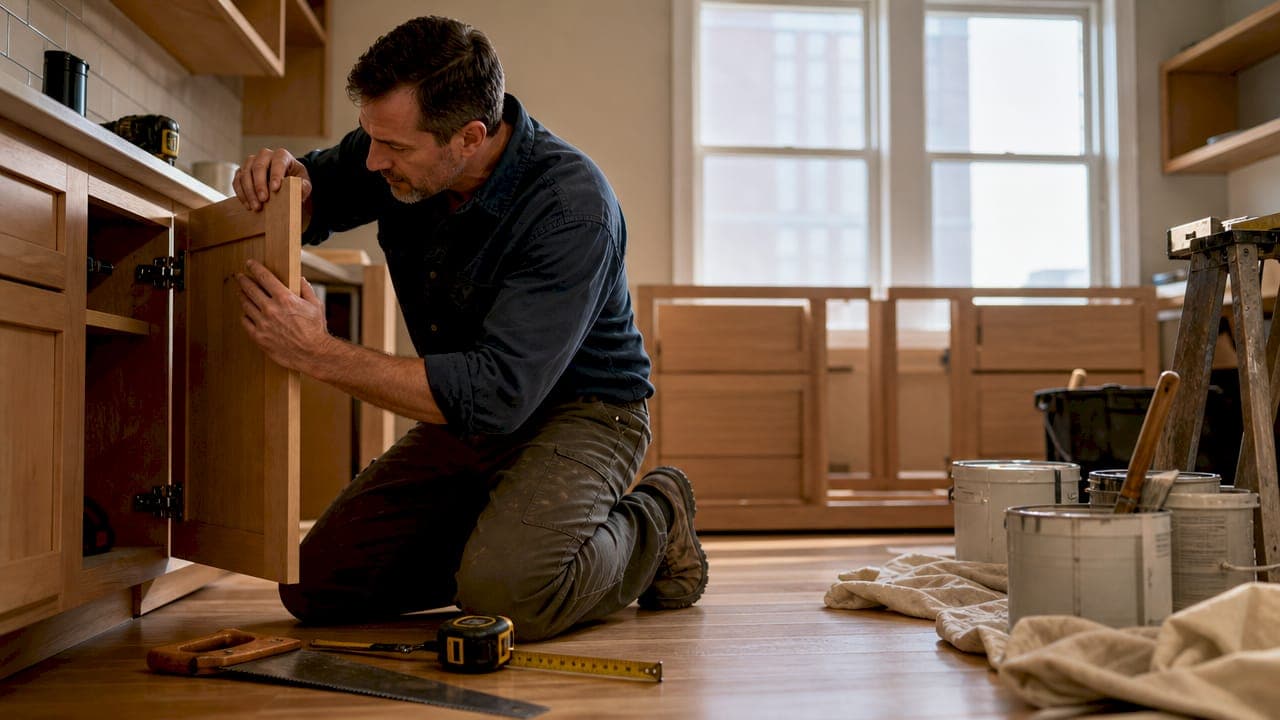
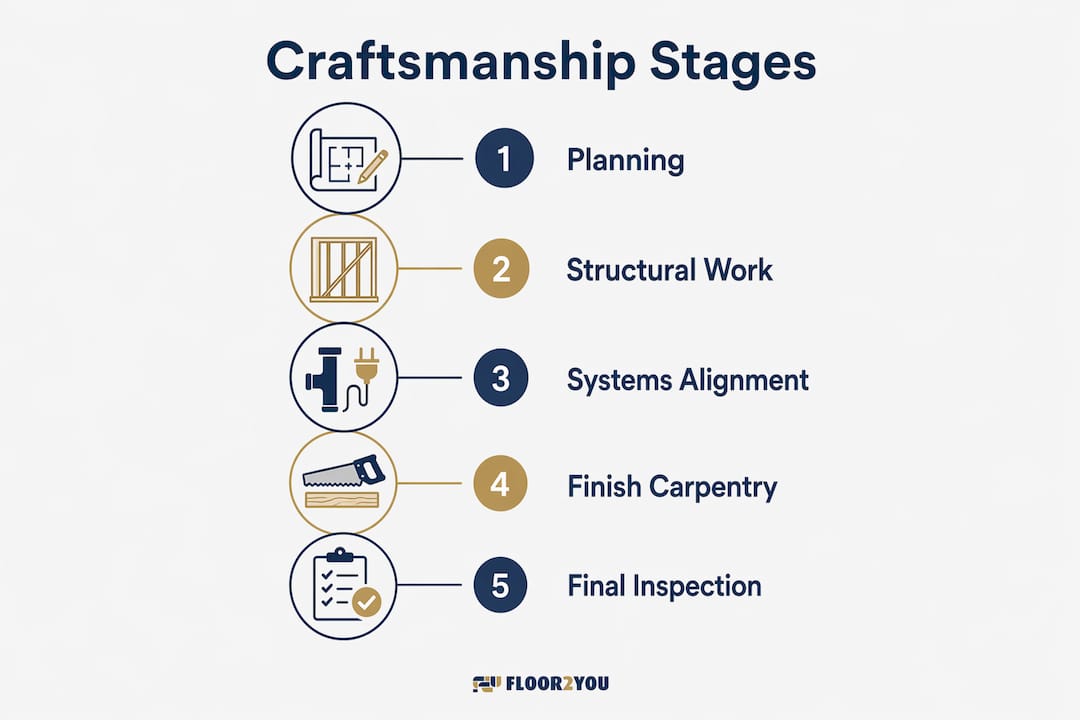
Craftsmanship in remodeling is defined as the disciplined application of skill, precision, and accountability across every phase of a renovation project, from structural framing to final finish work. The role of craftsmanship in remodeling determines whether a renovated space holds up beautifully for decades or starts showing problems within a few years. Homeowners who understand this distinction make smarter decisions about who they hire, what they pay, and what they expect. This guide covers how craftsmanship shapes durability, aesthetics, energy performance, and project coordination so you can protect your investment from day one.
How craftsmanship affects durability and long-term function
Craftsmanship begins with the elements you never see. Structural framing, system alignment, and subfloor preparation determine whether your visible finishes stay level, tight, and clean for years. When these invisible foundational elements are done correctly, the surfaces built on top of them perform as intended. When they are rushed or imprecise, problems compound over time.
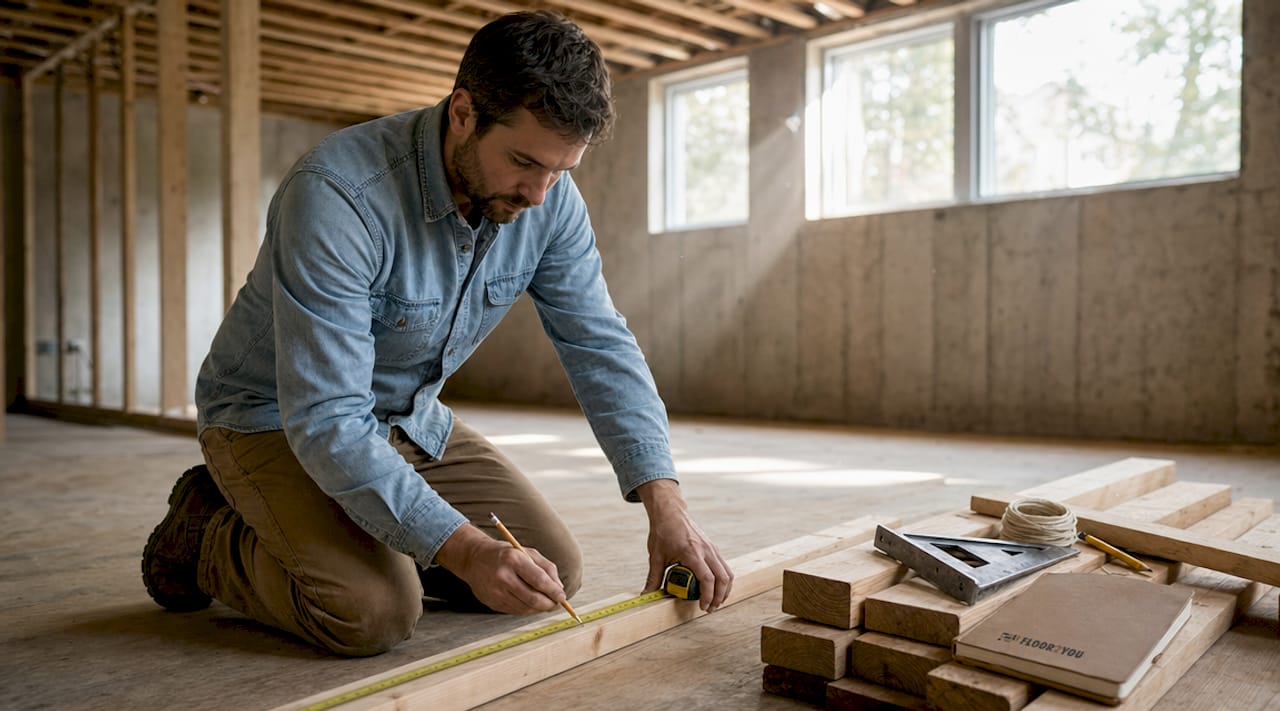
Poor workmanship shows up in predictable ways: floors that squeak within months of installation, cabinet doors that drift out of alignment, tile grout that cracks prematurely, and window frames that allow drafts. Each of these failures traces back to a specific lapse in technique, not just material quality. A skilled craftsman working with mid-grade materials will consistently outperform an unskilled worker using premium products, because technique governs how materials perform under real conditions.
The financial case for quality is direct. Cutting corners on skilled labor leads to higher lifecycle costs through premature failure and frequent repairs. That means the lower bid you accepted upfront often costs more in total over five years. Investing in proven craftsmanship reduces total lifecycle expenses and improves home satisfaction in ways that a quick renovation simply cannot replicate.
Here is where craftsmanship makes the most measurable difference in durability:
- Joinery and cabinetry: Tight joints and proper fastening prevent warping and sagging in kitchen and bathroom cabinets over years of daily use.
- Flooring installation: Correct subfloor prep and acclimation of hardwood or vinyl prevents buckling, gapping, and squeaking.
- Tile work: Proper mortar coverage and grout sealing prevent moisture intrusion, which is the leading cause of tile failure in bathrooms.
- Framing and structural work: Plumb walls and level floors are the foundation for every finish trade that follows.
Pro Tip: Before hiring any remodeler, ask for references from projects completed at least three years ago. How a renovation holds up after three years tells you far more than how it looks on completion day.
Does craftsmanship really change how a space looks?
The answer is yes, and the difference is visible in ways that are hard to fake. Craftsmanship in home renovation shapes the visual quality of a space through precision in measurement, consistency in finishing, and the ability to integrate new work with existing structures without visible seams or mismatches.
True craftsmanship combines physical skill with design insight, allowing skilled workers to identify and resolve small structural or aesthetic issues before they become permanent flaws. A craftsman fitting custom cabinetry, for example, does not just cut to spec. They account for wall irregularities, ceiling variations, and sight lines from adjacent rooms. The result is a kitchen that looks intentional rather than installed.
The comparison below shows the practical difference between craftsmanship and a standard material upgrade approach:
| Design factor | Craftsmanship approach | Standard material upgrade |
|---|---|---|
| Transitions between rooms | Seamless thresholds matched to existing floor height | Standard transition strips regardless of height difference |
| Cabinet installation | Scribed to wall contours, level across full run | Shimmed and caulked to fill gaps |
| Tile layout | Centered and planned to avoid narrow cuts at focal points | Started from one wall regardless of visual outcome |
| Trim and molding | Coped joints at corners for tight fit | Mitered joints that open with seasonal movement |
| Paint finish | Properly primed, sanded between coats, clean cut lines | Single coat over existing surface |
The long-term test of craftsmanship is how a renovated space performs months and years later. Timeless design decisions and durable finishes keep spaces relevant and refined long after trendy shortcuts have started to look dated. If you want your bathroom remodel to still look sharp in 2031, the quality of execution matters more than the brand of tile you selected. You can explore how bathroom remodel trends interact with lasting craftsmanship to understand which design choices age well.
Craftsmanship and energy efficiency: what the connection actually means
Skilled construction and energy performance are directly linked, and most homeowners do not realize how much installation quality affects their utility bills. Proper expert installation of windows and doors is critical to energy performance because even the highest-rated window loses its efficiency rating when installed with gaps, improper shimming, or inadequate flashing.
The same principle applies across every energy-related system in your home:
- Insulation: Batts installed with gaps, compression, or missing vapor barriers perform significantly below their rated R-value. A craftsman installs insulation to spec, not just to coverage.
- Air sealing: Penetrations around pipes, wires, and ducts must be sealed before insulation is placed. Skipping this step creates thermal bypasses that no amount of insulation can compensate for.
- HVAC duct connections: Leaky duct connections in unconditioned spaces like attics or crawlspaces can waste a significant portion of conditioned air before it reaches living areas.
- Window and door flashing: Improper flashing leads to water intrusion and rot, which degrades insulation and framing over time and creates expensive secondary damage.
Craftsmanship also protects the warranties on the materials you purchase. Most manufacturers void warranties when installation does not meet their published specifications. A skilled installer reads those specs and follows them. A rushed crew often does not. For homeowners interested in maximizing energy performance through renovation, smart home renovations that combine craftsmanship with modern systems deliver the strongest results.
Why project management is where craftsmanship gets protected or lost
Craftsmanship is not just a property of individual workers. It is a property of the system that manages them. Craftsmanship is a disciplined building approach that encompasses accountability and rigorous oversight from the first conversation to the final installation. Without that system, even skilled tradespeople produce inconsistent results because coordination failures undo careful work.
The design-build model addresses this directly. In a design-build project, the same firm handles both the design and the construction, which means the people drawing the plans are accountable for executing them. The design-build process involves weeks or months upfront to understand homeowners' routines and functional needs, so the resulting design actually fits how you live. That upfront investment prevents the costly rework that happens when a design looks good on paper but fails in practice.
Expert craftsmen proactively identify potential issues during pre-construction and coordinate trades to prevent damage and costly corrections. This matters because remodeling involves sequential trades. A plumber's work affects what the tile setter can do. The electrician's rough-in affects where cabinets can be placed. When a skilled project manager with a craftsmanship mindset oversees this sequence, each trade protects the work of the next. When that oversight is absent, you get mid-project surprises that cost time and money to fix.
Understanding renovation's impact on home value also depends on how well the project was managed. A renovation that was well-executed and well-documented adds measurable value. One that was rushed and poorly coordinated can actually complicate a future sale.
Pro Tip: When interviewing remodelers, ask specifically how they handle trade sequencing and who is responsible for quality checks between each phase. A vague answer is a red flag. A specific answer with named checkpoints signals a craftsmanship-oriented operation.
Key takeaways
Craftsmanship in remodeling is the single factor that determines whether a renovation adds lasting value or creates a cycle of repairs and disappointments.
| Point | Details |
|---|---|
| Durability starts below the surface | Structural framing and subfloor prep determine how well visible finishes perform over time. |
| Aesthetics require technique, not just materials | Precise measurement, scribing, and finishing separate a polished result from an installed one. |
| Energy savings depend on installation quality | Windows, insulation, and air sealing only perform to spec when installed by skilled craftsmen. |
| Project management protects craftsmanship | Design-build coordination and trade sequencing prevent rework and protect each phase of work. |
| Upfront investment lowers total cost | Quality craftsmanship reduces lifecycle repair costs and preserves home value over years. |
What I've learned from watching craftsmanship make or break a remodel
After years of observing renovation projects across South Florida, the pattern is consistent: the projects that disappoint homeowners most are not the ones with modest budgets. They are the ones where speed was prioritized over skill. I have seen beautiful tile selections installed so poorly that the grout cracked within eight months. I have seen budget-grade cabinetry installed by a meticulous craftsman that looked and functioned better than premium boxes put in by a rushed crew.
The uncomfortable truth is that most homeowners cannot evaluate craftsmanship during a sales meeting. You are comparing bids, looking at portfolios, and reading reviews. What you cannot see is whether the person who shows up on day one actually cares about the work they leave behind. That is why I always recommend asking for references from completed projects and visiting those homes if possible. A craftsman who takes pride in their work will welcome that request. One who does not will find reasons to avoid it.
The other thing I have come to believe strongly is that communication between the homeowner and the craftsman is not a soft skill. It is a technical requirement. The design-build craftsmanship model works because it forces that conversation to happen before a single wall is touched. When you invest time explaining how you actually use your kitchen or bathroom, a skilled craftsman translates that into decisions you will appreciate for years. When that conversation does not happen, you get a renovation that looks like someone else's home.
Prioritize skilled labor even when the initial number is higher. The math almost always works out in your favor over a five-year horizon.
— G
See what skilled craftsmanship looks like in practice

Floor2you brings the craftsmanship standard described in this article to residential remodeling projects across South Florida. From kitchen and bathroom remodels to full flooring installations in hardwood, vinyl, laminate, and tile, every project is managed with the kind of trade coordination and quality oversight that protects your investment. If you are planning a renovation and want to work with a team that treats your home with the same care they would give their own, explore Floor2you's remodeling services and request a quote. The right conversation at the start of a project is what separates a renovation you will love from one you will have to redo.
FAQ
What is renovation craftsmanship, exactly?
Renovation craftsmanship is the disciplined application of skill, precision, and accountability across all phases of a remodeling project. It covers both the invisible structural work and the visible finishing details that determine how a space looks and performs over time.
How does craftsmanship affect home value?
Quality craftsmanship directly supports home value by producing renovations that hold up structurally and aesthetically over years. Poorly executed work can complicate future sales and require costly repairs that offset the original investment.
Is craftsmanship more important than material quality?
Craftsmanship and material quality both matter, but technique governs how materials perform. A skilled craftsman working with mid-grade materials will consistently produce better long-term results than an unskilled worker using premium products.
What is the design-build approach and why does it support craftsmanship?
The design-build approach places design and construction under one accountable team, which means the people planning the project are also responsible for executing it. This integrated structure enforces quality standards across every phase and reduces the coordination failures that undermine craftsmanship.
How can I tell if a remodeler prioritizes craftsmanship?
Ask for references from projects completed at least three years ago and ask specifically how they manage trade sequencing and quality checks between phases. Remodelers who prioritize craftsmanship will answer both questions with specifics, not generalities.