
TL;DR:
- Choosing the right high-traffic tile involves selecting porcelain with a PEI 4 or 5 rating for durability and a low absorption rate. Slip resistance requires a DCOF of 0.50 to 0.60 in wet zones, and full-body porcelain hides chips better than glazed varieties. Proper installation, substrate prep, and routine maintenance are essential for long-lasting performance in demanding environments.
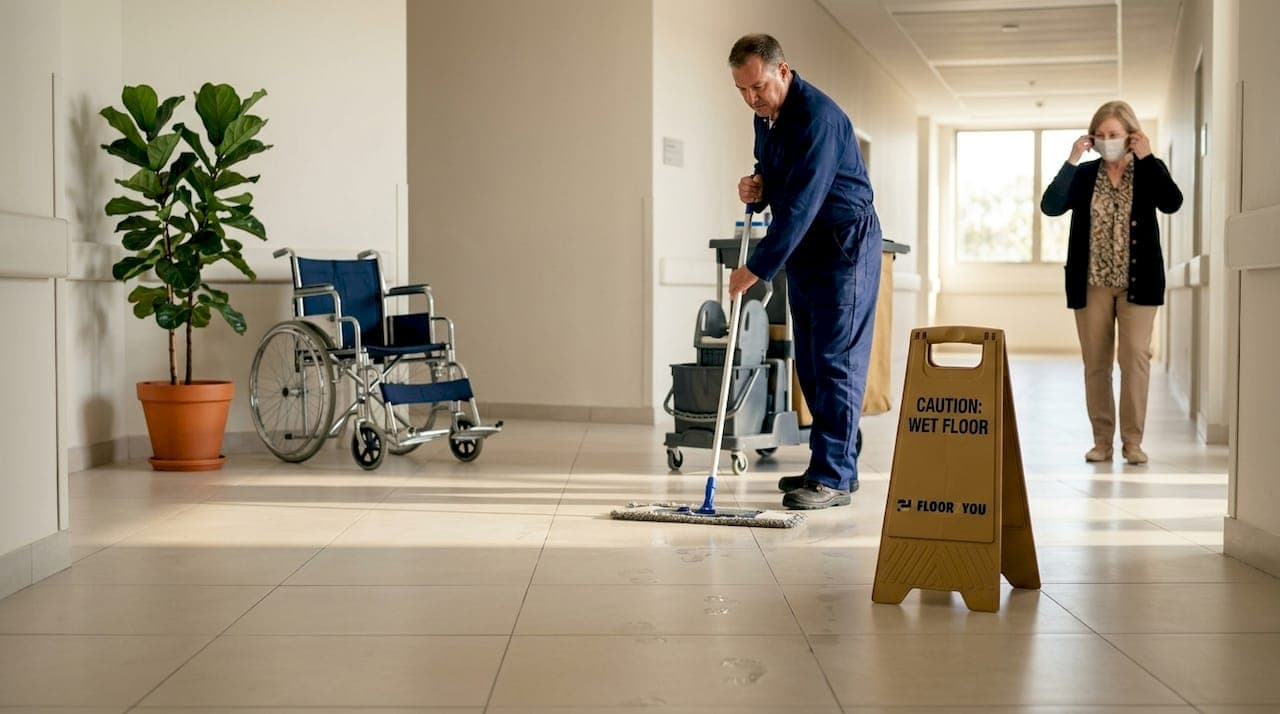
Most homeowners assume that tile is tile. Pick something that looks good, lay it down, and move on. But the role of tile in high-traffic areas is far more specific than that. The wrong tile in a busy entryway, kitchen, or commercial corridor can chip, crack, become dangerously slippery when wet, or wear through its surface coating within a few years. The right tile, chosen with the correct porcelain enamel institute (PEI) rating, slip-resistance coefficient, and finish, can outlast almost every other flooring material in your home.
Table of Contents
- Key takeaways
- The best tile materials for high-traffic environments
- Slip resistance and finishes that actually matter
- Tile vs. other flooring options: a real comparison
- Selecting, installing, and maintaining tile the right way
- My take on what actually matters when choosing tile
- Ready to tile your high-traffic spaces right?
- FAQ
Key takeaways
| Point | Details |
|---|---|
| Material determines longevity | Porcelain with PEI 4 or 5 rating is the industry standard for durability in high-traffic spaces. |
| Slip resistance is non-negotiable | Look for a DCOF of 0.42+ for dry areas and 0.50 to 0.60 for wet zones like bathrooms and kitchens. |
| Through-body color matters | Full-body porcelain hides chips and scratches far better than glazed tiles that expose a contrasting base underneath. |
| Tile outpaces alternatives long-term | Tile can last 50 to 100 years with proper care, compared to 15 to 25 years for luxury vinyl plank. |
| Maintenance protects your investment | Regular sweeping, pH-neutral cleaners, and periodic resealing of natural stone preserve both safety and appearance. |
The best tile materials for high-traffic environments
When flooring professionals talk about high-traffic flooring options, they are almost always anchoring the conversation around one material: porcelain. That is not a coincidence. Porcelain tiles have absorption rates of 0.5% or less, which makes them exceptionally resistant to moisture, staining, and surface wear. For heavy-use areas, you want a PEI rating of 4 or 5. A PEI 4 tile handles residential and light commercial traffic; PEI 5 is built for the toughest commercial environments imaginable.
One characteristic of porcelain that rarely gets enough attention is through-body color. On a standard glazed tile, the color and pattern exist only on the surface. Chip that surface, and you expose a very different color underneath. With through-body porcelain, the color runs through the entire depth of the tile, so minor chips and scratches are nearly invisible. In a foyer that takes daily abuse from shoes, bags, and pets, that difference shows up fast.
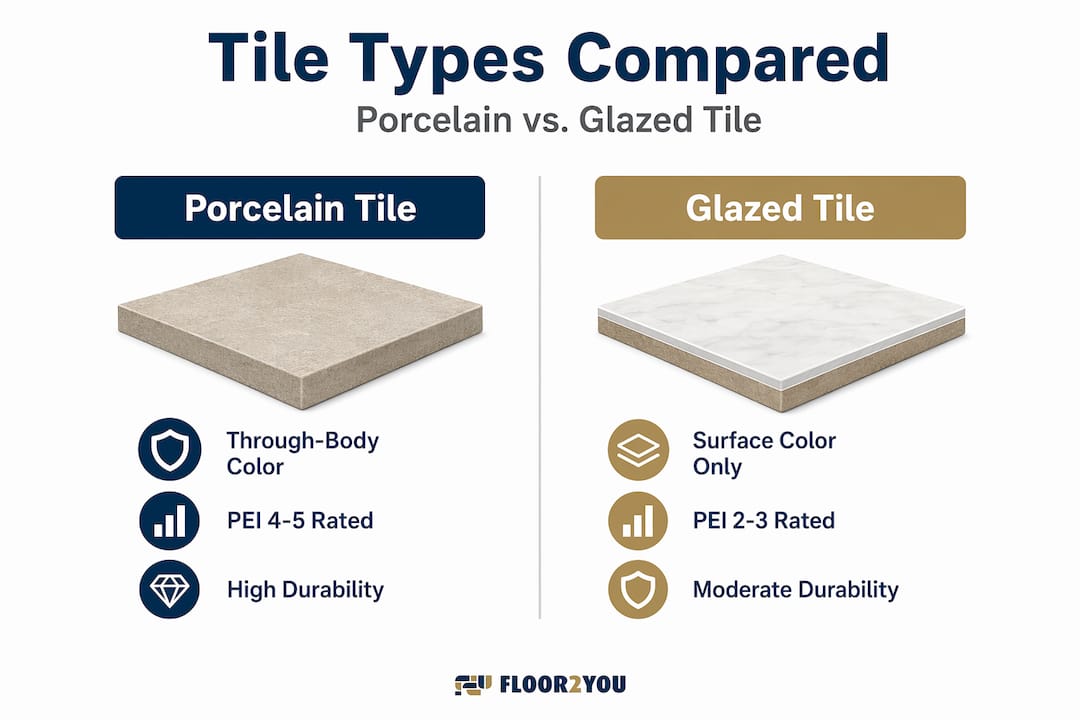
The table below shows how the main durable tile materials compare in the key categories that matter for busy spaces:
| Material | PEI Rating | Avg. Lifespan | Relative Cost | Best Use Case |
|---|---|---|---|---|
| Porcelain | 4 to 5 | 50 to 100 years | Moderate to high | Entryways, kitchens, commercial spaces |
| Terrazzo | N/A (custom) | 75+ years | High | Lobbies, hallways, large open areas |
| Ceramic | 2 to 4 | 20 to 50 years | Budget-friendly | Low-to-moderate traffic rooms |
| Natural stone (granite/slate) | Varies | 50 to 100 years | High | Bathrooms, patios, statement flooring |
| SPC vinyl tile | N/A | 20 to 30 years | Low to moderate | Rentals, budget renovations |
Terrazzo deserves more credit than it typically gets. Terrazzo can last more than 75 years in heavy-use environments, and its composite structure actually offers greater surface wear resistance than standard porcelain. You see it in airports and hospitals for a reason. Natural stone options like granite and slate bring hardness and a natural texture that aids grip, but they require more maintenance than porcelain, especially in coastal environments where humidity and UV exposure accelerate wear on unsealed surfaces.
Pro Tip: If you are choosing tile for a South Florida home, prioritize materials with low porosity ratings. The combination of coastal humidity, tracked-in sand, and high moisture makes absorption rate just as important as surface hardness.
Slip resistance and finishes that actually matter
A tile that is beautiful but slippery in wet conditions is a liability, not an asset. This is where the Dynamic Coefficient of Friction (DCOF) rating becomes your most practical guide. For dry high-traffic floors, a DCOF of 0.42 or higher is the accepted minimum. In wet zones, kitchens, bathrooms, pool decks, and building entryways in rainy climates, you want 0.50 to 0.60 or above.
The surface finish of a tile controls most of its traction performance. Here is how the main finishes compare in practical terms:
- Matte and textured finishes provide the most reliable grip and are the preferred choice for kitchens, bathrooms, and any exterior entry. Matte and slip-resistant finishes with R11 ratings reduce slip-and-fall risk without compromising the look of the space.
- Polished and high-gloss finishes look striking in showrooms but become genuinely hazardous in any area exposed to water, tracked-in dirt, or cleaning products. They are better suited to low-traffic walls or decorative accents.
- Lapped and brushed stone finishes occupy the middle ground. They offer more texture than polished stone but less than a fully matte tile. Good for moderate-traffic dry areas.
- Grip-enhanced large format tiles are available and can work well, but the physics of slip resistance favor smaller formats in wet zones.
That last point is worth expanding. Smaller tile formats with dense grout lines improve grip because each grout line creates a traction edge. A 2x2 inch mosaic tile in a shower provides far more traction contact than a 24x24 inch slab. If you are tiling a shower floor or a commercial bathroom, smaller tiles are not just an aesthetic choice. They are a safety feature.
Pro Tip: Never choose a glossy tile for any floor that gets wet regularly. The look is elegant in photographs and a hazard in real life. Use gloss finishes on walls and backsplashes where they shine without creating a risk.
Tile vs. other flooring options: a real comparison
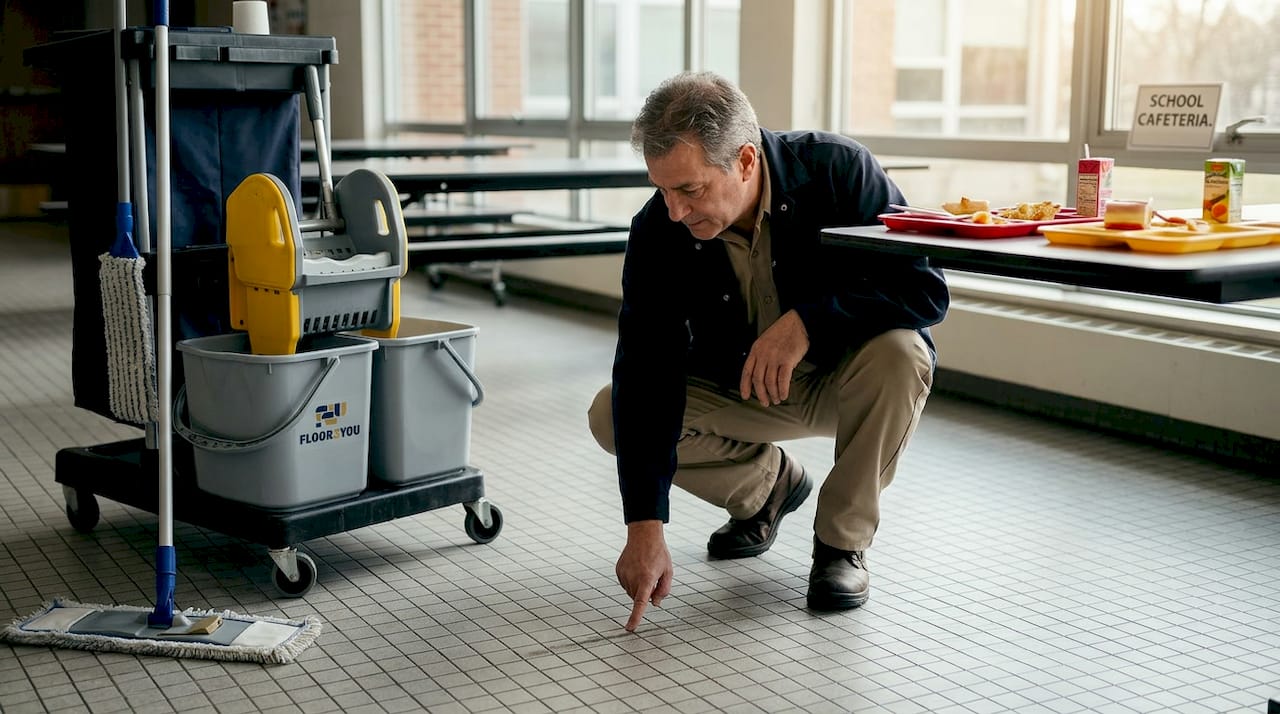
Understanding the impact of tiles on foot traffic gets clearer when you put tile head-to-head against its most common rivals. Luxury vinyl plank (LVP) has become enormously popular, and for good reason. It is comfortable underfoot, quieter than tile, and reasonably durable. You can explore a detailed breakdown of vinyl's costs and benefits to understand where it fits best.
But durability is not LVP's strongest suit compared to tile. LVP costs $2 to $15 per square foot and typically lasts 15 to 25 years, while tile installation runs $10 to $30 per square foot but can last well beyond 50 years. Over two or three renovation cycles, tile often proves more economical for high-use areas.
| Category | Porcelain Tile | Luxury Vinyl Plank | Laminate |
|---|---|---|---|
| Lifespan | 50 to 100 years | 15 to 25 years | 10 to 25 years |
| Cost per sq ft | $10 to $30 installed | $2 to $15 installed | $3 to $10 installed |
| Water resistance | Excellent | Good to excellent | Poor to moderate |
| Impact resistance | Moderate (can crack) | Good | Fair |
| Maintenance | Low | Low | Moderate |
| Feel underfoot | Hard, cool | Softer, warmer | Moderate |
LVP makes more sense than tile in a few specific situations: when you need a warmer, quieter floor in a bedroom or living room, when budget is a firm constraint, or when you are outfitting a rental property and expect to refresh the flooring every 15 years anyway. For high-traffic flooring options in wet or heavily used zones, though, tile still holds the performance edge. If you are interested in how luxury vinyl performs for South Florida specifically, the climate context matters.
Selecting, installing, and maintaining tile the right way
Knowing your materials is only part of the picture. The choices you make during selection, installation, and upkeep determine whether your tile performs as advertised for 50 years or starts showing problems in five.
-
Start with the ratings, not the look. Before you fall for a tile at the showroom, check its PEI rating and DCOF value. PEI 4 is the minimum for any residential high-traffic zone. If the product listing does not include these numbers, ask. A reputable supplier will have them. The step-by-step process for selecting tile can help you work through this systematically.
-
Prepare the substrate properly. More tile failures come from poor substrate preparation than from the tile itself. A subfloor that flexes even slightly will crack grout and eventually the tile. Your installer should verify that deflection meets the standards for your tile format before laying a single piece.
-
Choose grout lines strategically. In wet or high-traffic zones, use non-sanded grout for joints under 1/8 inch and epoxy grout for areas exposed to heavy moisture or cleaning chemicals. Epoxy grout does not stain, does not harbor bacteria, and does not need sealing.
-
Plan for installation downtime. Rapid-setting binders allow pedestrian traffic within 12 to 24 hours and heavy traffic at 48 hours, which matters significantly in commercial or rental settings where floor downtime costs money.
-
Commit to the right cleaning routine. Regular sweeping removes abrasive grit that acts like sandpaper on both tile and grout. Use pH-neutral cleaners rather than acidic or alkaline products, which degrade grout over time. Natural stone floors need periodic resealing, typically once a year in high-traffic zones, to maintain stain resistance and keep moisture from penetrating.
One honest caution about porcelain: dropped heavy objects can crack or shatter tile in ways that softer flooring materials simply absorb. If you are tiling a kitchen and routinely work with heavy cast iron, consider keeping an extra box of the same tile lot for future repairs. Dye lots change, and a patch job with the wrong tile is immediately obvious.
Pro Tip: Always purchase 10 to 15 percent more tile than your square footage requires. Cuts, breakage during installation, and future repairs all consume more material than most homeowners expect.
My take on what actually matters when choosing tile
I've seen a lot of tile projects go sideways, and most of the regret comes from the same place: prioritizing aesthetics over performance specs and then being surprised when the floor does not hold up.
The through-body color advantage in full-body porcelain is something I find genuinely underappreciated. People look at two tiles that appear identical and choose the cheaper glazed version. Three years later, in a busy entryway, the wear pattern tells the whole story. Through-body porcelain shows almost nothing; the glazed tile shows every scuff line.
The impact resistance limitation of porcelain is the honest flip side of that conversation. Tile is harder than it is forgiving. In a family kitchen where kids are involved and heavy pots are a daily reality, I'd rather people understand that upfront than be caught off guard by a crack.
What I have learned is that the best tile choice is always specific to the room, the household, and the usage pattern. A hotel lobby and a South Florida vacation rental share the need for durability, but they do not necessarily share the same solution. Environmental factors specific to your region belong in that equation alongside PEI ratings. And no matter what material you select, professional installation is the single biggest factor in whether it performs at the top of its rated lifespan or the bottom.
— G
Ready to tile your high-traffic spaces right?
At Floor2you, we work with homeowners and property managers across South Florida who need flooring that performs as hard as their spaces demand. We carry a curated selection of porcelain, ceramic, and natural stone tiles rated for heavy traffic, and our installation team knows how to prep substrates, set grout lines, and apply finishing details that make the difference between a 10-year floor and a 50-year floor.

Whether you are renovating an entryway, a rental kitchen, or a full commercial space, Floor2you brings both the product knowledge and the craftsmanship to get it done right. Visit our tile and flooring services page to explore your options or request a consultation with our team.
FAQ
What is the best tile material for high-traffic floors?
Porcelain tile with a PEI rating of 4 or 5 is the industry standard for high-traffic floors. Its low absorption rate of 0.5% or less makes it highly resistant to moisture, staining, and surface wear.
What DCOF rating do I need for a wet high-traffic area?
For wet environments like bathrooms, kitchens, and building entryways, a DCOF of 0.50 to 0.60 or higher is recommended. Dry high-traffic floors require a minimum DCOF of 0.42.
How long does tile last in a high-traffic area?
Properly installed and maintained porcelain tile can last 50 to 100 years in high-traffic areas, significantly outlasting luxury vinyl plank (15 to 25 years) or laminate flooring.
Can tile crack from heavy foot traffic?
Standard foot traffic does not crack tile. The real risk comes from dropped heavy objects, which can crack or shatter porcelain. For this reason, keeping extra matching tile from the same dye lot is practical for future repairs.
How often should I maintain tile in a busy area?
Sweep high-traffic tile floors daily to remove abrasive grit and mop weekly with a pH-neutral cleaner. Natural stone requires resealing approximately once per year to maintain stain resistance and moisture protection.