

TL;DR:
- Effective investor remodeling begins with sequencing repairs from structural fixes to cosmetic finishes to maximize ROI. Prioritizing kitchens and bathrooms yields the highest increases in property value and rental income, while budgeting with a 15-20% contingency safeguards against overruns. Consistent discipline in planning, documentation, and matching upgrades to market standards ensures profitable, efficient property improvements.
Remodeling tips for investors are strategic renovation decisions that increase property value, rental income, and appraisal outcomes by targeting the right upgrades in the right order. The most effective investment property remodel advice follows a clear framework: fix structural and mechanical systems first, upgrade kitchens and bathrooms for maximum ROI, and finish with cosmetics last. Investors using the BRRRR strategy, DSCR loan frameworks, or standard buy-and-hold models all benefit from the same discipline: budget with a 15 to 20% contingency, sequence repairs to protect finished work, and match upgrades to neighborhood standards rather than personal taste.
1. Follow the right renovation sequence for ROI
The single most costly remodeling mistake investors make is starting in the wrong order. Painting walls before fixing a leaking roof, or installing new flooring before replacing corroded plumbing, guarantees rework and wasted money. Renovation sequencing follows a strict logic: structural and envelope repairs first, mechanical systems second, value-driving interiors third, and cosmetics last.
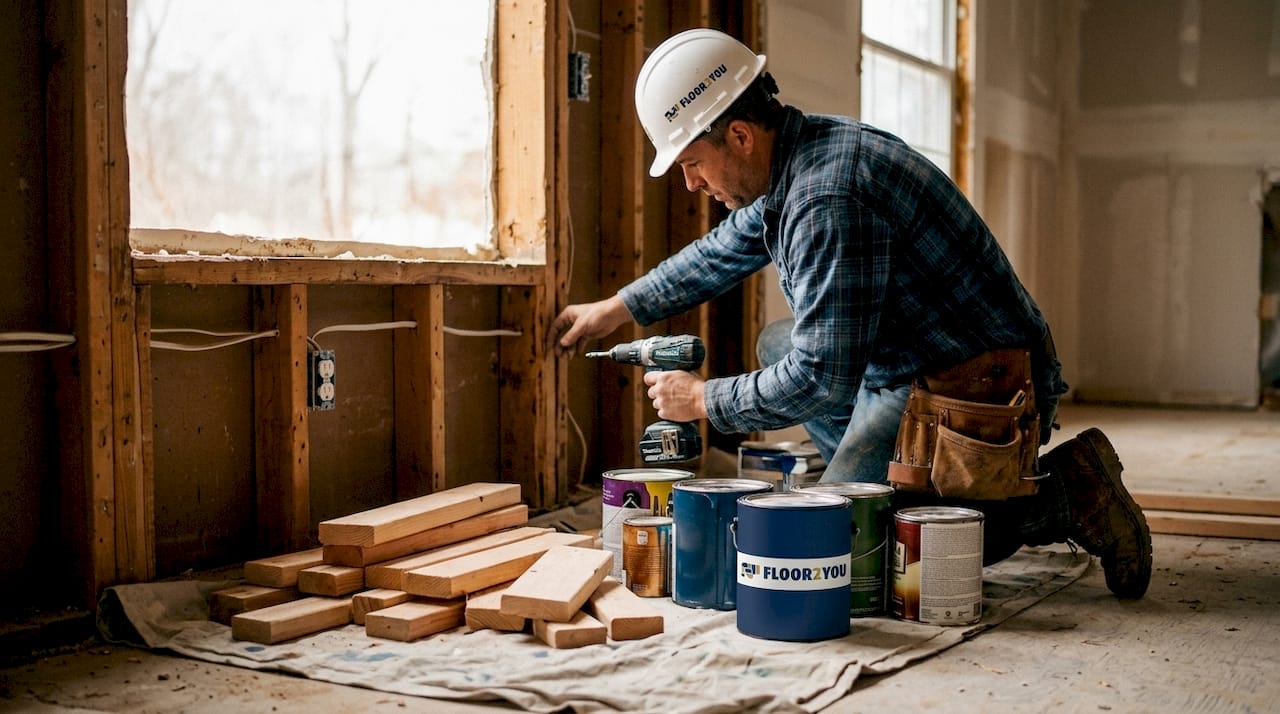
Phase 1: Structural and envelope repairs. Foundation cracks, roof damage, water intrusion, and framing issues must be resolved before anything else. These items affect lender appraisals, insurance coverage, and the integrity of every upgrade that follows.
Phase 2: Mechanical and code-required systems. HVAC replacement, electrical panel upgrades, and plumbing repairs come next. Code compliance is non-negotiable for permits, and lenders will flag unresolved mechanical deficiencies during the draw inspection process.
Phase 3: Value-driving interiors. Kitchens, bathrooms, added bedrooms, and finished basements belong here. These upgrades move the needle on after-repair value (ARV) and rental rates more than any other category.
Phase 4: Cosmetic finishes. Paint, flooring, fixtures, and landscaping close out the project. Installing flooring before drywall work is complete, for example, leads to scratches, dust damage, and callbacks that eat into your margin.
Pro Tip: If you are using lender draws, your draw schedule milestones must align with this sequence. Inspectors verify phase completion before releasing funds, so a sequencing error can freeze your financing mid-project.
2. Prioritize kitchens and bathrooms above all else
Kitchens and bathrooms consistently deliver the highest returns for rental property investors, both in increased rents and improved ARV. A targeted kitchen remodel runs between $8,000 and $25,000; a bathroom update falls between $4,000 and $12,000. Both significantly lift what a property appraises for and what tenants will pay monthly.
The key word is targeted. Investors do not need quartz countertops and custom cabinetry in a Class C rental. Mid-grade finishes that match or slightly exceed neighborhood standards produce the best return. Appraisers compare your finished property to local comps, and luxury finishes in a modest market do not increase ARV proportionally.
| Upgrade | Typical Cost Range | Primary ROI Driver |
|---|---|---|
| Kitchen remodel | $8,000 to $25,000 | Higher rents and ARV |
| Bathroom remodel | $4,000 to $12,000 | Tenant appeal and ARV |
| Energy-efficient HVAC | $5,000 to $12,000 | Lower operating costs |
| Curb appeal (paint, landscaping) | $1,500 to $5,000 | Faster lease-up and resale |
| Flooring replacement | $3,000 to $10,000 | Tenant retention and visual appeal |
Energy efficiency upgrades, including HVAC replacement, insulation, and water heaters, reduce operating expenses and attract tenants who factor utility costs into their housing decisions. Curb appeal improvements such as exterior paint, landscaping, and a new front door cost relatively little but directly affect how fast a unit leases and what price it commands at resale.
Pro Tip: DSCR-focused investors should frame every upgrade decision around four ROI levers: higher rents, lower expenses, improved occupancy, and better property value. If an upgrade does not move at least one of those four metrics, cut it from the scope.
For a detailed breakdown of what kitchen upgrades actually move the needle on rental income, the landlord's kitchen renovation guide from Floor2You covers the decision points clearly.
3. Budget with discipline and build in contingency
Cost overruns are not the exception in investor remodels. They are the rule. 47% of tracked rehab projects ran over budget, averaging 22% above original estimates. That figure alone justifies building a 15 to 20% contingency into every project budget before you break ground.
Here is how disciplined investors structure their budgets:
- Line-item every scope item. Break the budget into individual tasks with separate labor and material costs. This makes it easier to identify where a contractor is padding estimates or where costs are genuinely high.
- Get at least three contractor bids. Three competitive bids expose outliers on both ends. A bid that comes in 40% below the others is not a deal. It is a scope gap waiting to become a change order.
- Split labor and materials. Labor now represents 50 to 60% of typical project budgets, up significantly year over year. Separating these line items gives you negotiating leverage and helps you identify where DIY makes financial sense for low-skill tasks like painting.
- Account for holding costs. Every week a project runs long costs you in mortgage interest, taxes, insurance, and lost rental income. Timeline slippage is a budget item, not just a scheduling inconvenience.
- Align your draw schedule with your financing. Lenders releasing funds in phases require detailed scopes, punch lists, and photo documentation at each milestone. Missing documentation delays draws and disrupts cash flow.
Pro Tip: Before committing to a deal, stress-test your rental income by reducing projected rents by 15 to 20% and assuming higher vacancy. If the deal still pencils, your renovation budget has a real margin of safety.
4. Understand the tax treatment of your renovation costs
The IRS does not treat all renovation spending the same way, and misclassifying expenses is one of the most expensive remodeling mistakes to avoid. Repairs are deductible in the year you incur them. Capital improvements must be depreciated over 27.5 years for residential rental properties. That distinction has a direct impact on your annual cash flow.
The IRS applies the BAR Test to determine classification:
- Betterment: Does the work add value or fix a pre-existing defect?
- Adaptation: Does it change the property's use?
- Restoration: Does it restore a worn-out or damaged component?
If the answer to any of those three questions is yes, the IRS treats the work as a capital improvement. Replacing a broken window pane is a repair. Replacing all windows in the building is a capital improvement. The unit-of-property analysis determines whether you evaluate a component individually or as part of a larger system, and that distinction can shift a significant expense from a multi-year depreciation schedule to a same-year deduction.
Safe harbor provisions under IRS regulations allow certain smaller expenses to be deducted immediately even if they might otherwise qualify as improvements. Keeping detailed records, receipts, and contractor invoices for every line item reduces audit risk and gives your CPA the documentation needed to optimize your tax position.
5. Avoid the most common remodeling mistakes investors make
Knowing what not to do is as valuable as knowing what to do. These are the five mistakes that most consistently destroy investor margins:
-
Under-scoping the rehab. Investors who walk a property once and estimate from the surface miss what is behind the walls. Hidden conditions, including outdated wiring, galvanized pipes, and mold, are common cost drivers that surface only after demolition begins. A thorough pre-purchase inspection with a licensed contractor reduces this risk significantly.
-
Over-improving for the market. Installing high-end finishes in a neighborhood where comps do not support them caps your ARV below your total investment. Over-improving beyond neighborhood standards yields poor ROI because appraisers are constrained by what comparable properties have sold for, regardless of what you spent.
-
Poor sequencing that causes rework. Installing tile before plumbing rough-in is complete, or painting before drywall repairs are finished, forces you to redo work. Rework is pure cost with zero value added.
-
Ignoring appraisal and refinancing risk. Investors who renovate without tracking ARV assumptions against actual market comps often discover at refinance that the property appraised below the renovation cost. Conservative underwriting that stress-tests both rent and value assumptions before the project starts prevents this outcome.
-
Skipping permits and documentation. Unpermitted work surfaces during resale title searches and insurance underwriting. It reduces buyer confidence, can void homeowner's insurance claims, and in some jurisdictions requires the work to be torn out and redone at the seller's expense.
Key takeaways
Investor remodeling ROI depends on sequencing repairs correctly, targeting kitchens and bathrooms first, budgeting with a 15 to 20% contingency, and matching upgrades to neighborhood standards rather than personal preference.
| Point | Details |
|---|---|
| Sequence repairs correctly | Fix structural and mechanical systems before any interior or cosmetic work begins. |
| Target kitchens and bathrooms | These two rooms deliver the highest lift in rents and ARV for the cost invested. |
| Budget with contingency | Build in 15 to 20% above your base estimate to absorb hidden conditions and overruns. |
| Match upgrades to market | Over-improving beyond neighborhood comps caps your ARV and reduces net ROI. |
| Classify costs for tax purposes | Repairs are deductible immediately; capital improvements depreciate over 27.5 years. |
What I've learned from watching investors remodel the wrong way
I have seen investors spend $40,000 on a kitchen renovation in a neighborhood where the ARV ceiling was $180,000. The property appraised at $182,000. They spent $40,000 to gain $2,000 in value. That is not a renovation strategy. That is a very expensive lesson in market research.
The investors who consistently build wealth through remodeling treat every dollar spent as a business decision, not a design decision. They ask one question before approving any scope item: does this increase net operating income, reduce operating expenses, improve occupancy, or raise property value? If the answer is no, the item gets cut. That discipline is harder to maintain than it sounds, especially when you are standing in a property and the temptation is to make it look exactly the way you would want to live in it.
The other pattern I see repeatedly is under-documentation. Investors who keep detailed photo logs, signed scopes, and itemized invoices at every phase move through lender draws faster, defend their tax positions more confidently, and sell properties with cleaner disclosure packages. Documentation is not paperwork. It is leverage.
The best renovation strategies for investors are not complicated. They are just consistently applied. Sequence correctly, budget conservatively, match the market, and document everything.
— G
How Floor2You helps investors get flooring right
Flooring is one of the highest-visibility, most cost-effective upgrades in any investor remodel. The right floor choice affects tenant appeal, maintenance costs, and how quickly a unit leases. Floor2You specializes in residential remodeling and flooring installation across South Florida, offering hardwood, vinyl, laminate, and tile solutions sized for investor budgets and timelines.

Whether you are flipping a single-family home in Broward County or refreshing a rental unit in Miami-Dade, Floor2You delivers quality craftsmanship with fast turnaround and transparent pricing. Their team manages the full process from material selection through installation, so your project stays on schedule and on budget. For investors who need reliable flooring installation that holds up to tenant wear and supports your ARV goals, Floor2You is the South Florida contractor worth calling first. You can also explore their detailed resource on upgrading rental flooring to understand exactly how flooring choices affect tenant retention and property value.
FAQ
What renovation sequence maximizes ROI for investors?
Start with structural and envelope repairs, then address mechanical systems, then complete value-driving interior upgrades like kitchens and bathrooms, and finish with cosmetic work. This order protects your budget and positions the property correctly for appraisal and refinancing.
How much contingency should investors budget for remodeling?
Build in at least 15 to 20% above your base project estimate. Cost overruns affected 47% of tracked rehab projects and averaged 22% over original budgets, making contingency budgeting a non-negotiable part of any investment property remodel.
Which upgrades offer the best return for rental properties?
Kitchens and bathrooms consistently deliver the highest ROI, with kitchen remodels ranging from $8,000 to $25,000 and bathroom updates from $4,000 to $12,000. Both significantly increase rental rates and after-repair value when matched to neighborhood standards.
What is the difference between a repair and a capital improvement for tax purposes?
Repairs are deductible in the year incurred, while capital improvements must be depreciated over 27.5 years for residential rental properties. The IRS BAR Test determines classification based on whether the work betters, adapts, or restores the property.
What is the biggest remodeling mistake investors make?
Over-improving beyond neighborhood market standards is the most common and costly error. Appraisers are constrained by local comps, so luxury finishes in a modest market do not increase ARV proportionally and often result in a net loss on the renovation investment.