
TL;DR:
- Luxury vinyl plank with a thick wear layer and SPC core is the best pet-friendly flooring because it is waterproof and highly resistant to scratches. Porcelain tile offers exceptional durability and water resistance for high-accident zones but requires textured finishes for safety. A layered approach using different materials based on home zones and pet needs provides the most effective and lasting solution.
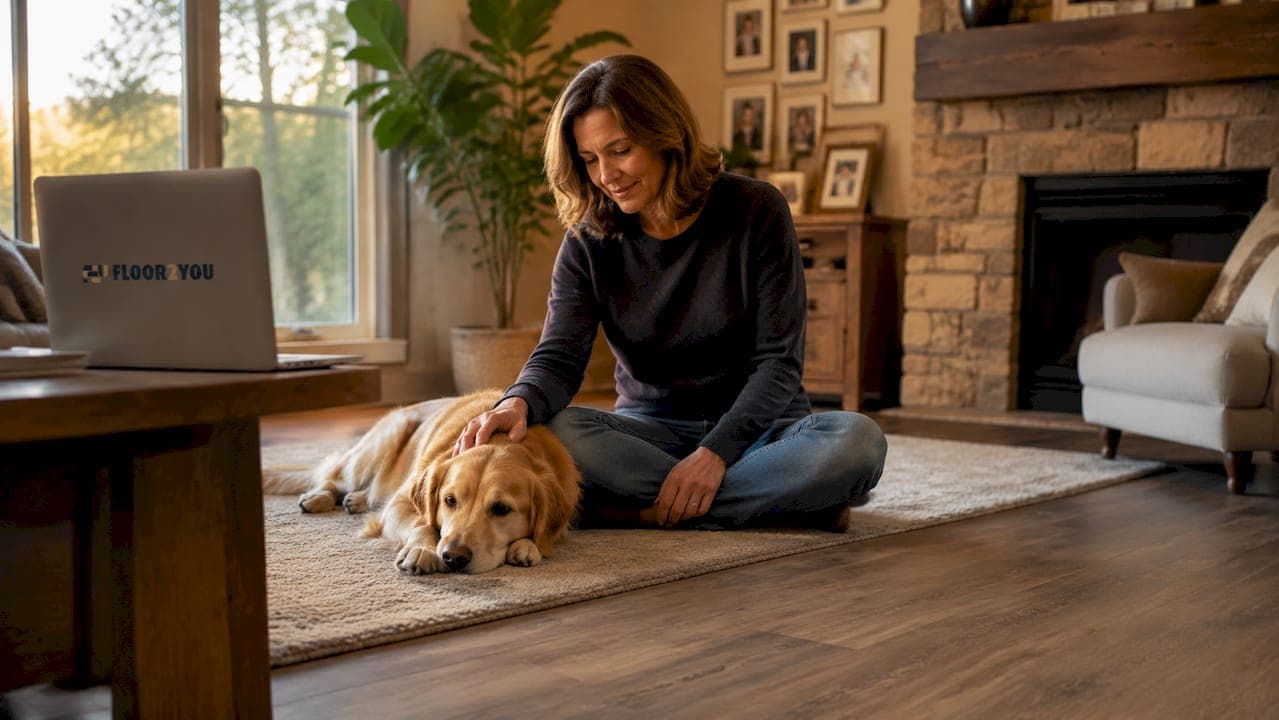
Pet-friendly flooring refers to floor types specifically selected or engineered to withstand the wear, moisture, and safety challenges posed by household pets. The right floor protects your home from scratches, accidents, and odors while keeping your animals safe and comfortable. The main types of pet-friendly flooring options include luxury vinyl plank, porcelain tile, engineered hardwood, laminate, bamboo, and specialized carpet. Each performs differently depending on your pet's size, age, and activity level. This guide breaks down every major option so you can choose with confidence.
1. Why luxury vinyl plank is the best flooring for pets
Luxury vinyl plank, or LVP, is the top overall choice for pet owners because it is 100% waterproof and scratch resistant. No other flooring type matches that combination at its price point. LVP costs 50–70% less than hardwood, making it the most practical upgrade for most households. That cost gap matters when you are also budgeting for pet care, furniture protection, and regular cleaning supplies.
The wear layer is the most critical spec to check. A minimum 20-mil wear layer protects against daily scratching from claws on medium to large dogs. Thinner wear layers dent and scratch within months under heavy pet traffic. For large or very active dogs, stone polymer composite (SPC) cores offer more dent resistance than wood polymer composite (WPC) cores. SPC is denser and less likely to compress under concentrated weight.
Modern LVP also solves the aesthetics problem. High-contrast vinyl designs with wider planks and realistic wood textures camouflage pet hair and minor scuffs far better than solid-color floors. You can find options that look nearly identical to hardwood without the maintenance burden. Floor2you installs durable LVP solutions across South Florida homes with a focus on wear layer and core specs that match each household's pet profile.
Key benefits at a glance:
- 100% waterproof surface handles accidents without warping
- Scratch-resistant wear layer protects against claw damage
- SPC core resists denting from large dogs
- Easy to mop clean with no special products required
- Wide range of realistic wood and stone looks
Pro Tip: When shopping for LVP, ask specifically for a 20–28 mil wear layer. Anything below 12 mil will show claw marks within a year in a home with medium or large dogs.
2. Porcelain tile: the most durable water-resistant pet flooring
Porcelain tile is the most durable option for areas where pet accidents happen frequently. Its non-porous, scratch-proof surface does not absorb urine or moisture, which prevents odor buildup at the floor level. Epoxy grout is required to make a tile installation truly pet-proof. Standard grout is porous and stains quickly from repeated pet accidents, undermining the tile's natural resistance.
Porcelain works best in specific zones: mudrooms, entryways, laundry rooms, and house-training areas. These are the spaces where accidents and tracked-in mud are most likely. Installing porcelain in these high-risk zones and pairing it with other flooring elsewhere is a practical, cost-effective strategy.
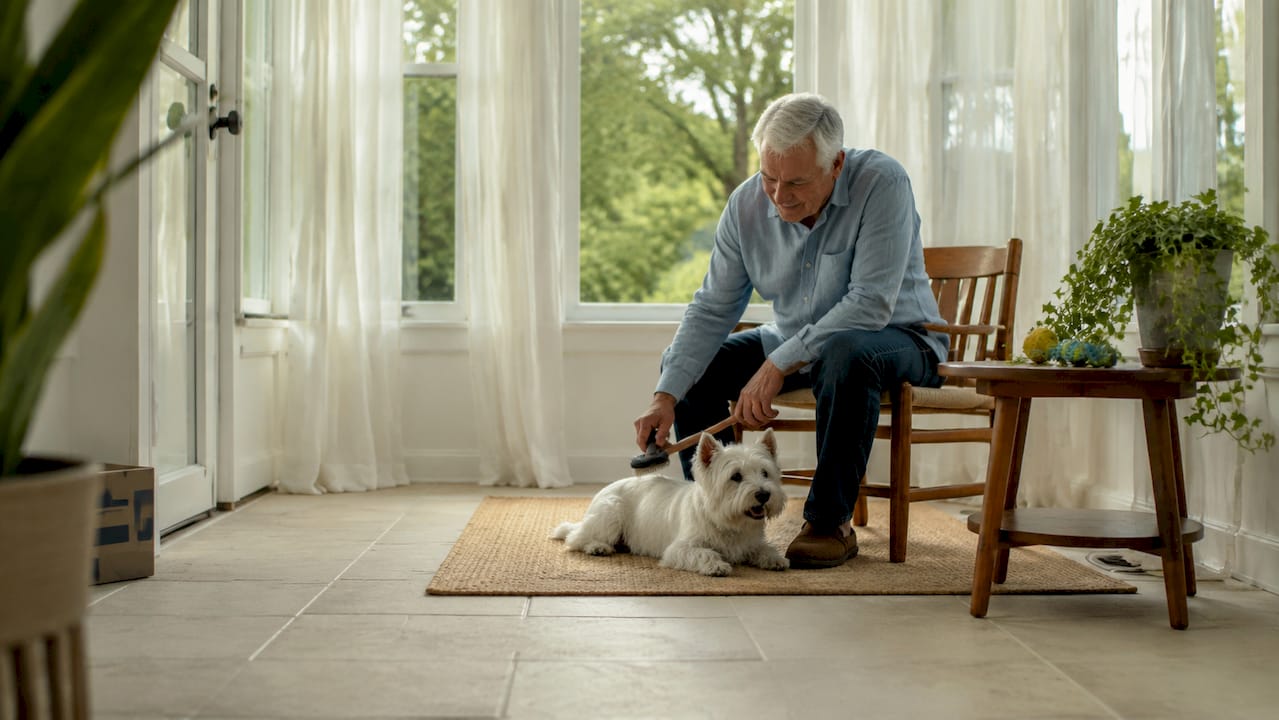
One overlooked issue with tile is traction. Smooth, glossy tile surfaces can be slippery and unsafe for older or arthritic pets. A dog that slips repeatedly on tile can develop joint stress over time. Textured or matte-finish porcelain solves this without sacrificing the easy-clean surface.
Pro Tip: Choose a porcelain tile with a coefficient of friction (COF) rating above 0.60 for pet areas. This is the standard threshold for slip resistance on wet surfaces.
| Feature | Standard Tile | Porcelain with Epoxy Grout |
|---|---|---|
| Water resistance | High | Very high |
| Stain resistance | Moderate (grout stains) | Very high |
| Scratch resistance | Very high | Very high |
| Pet traction | Low (glossy) | High (textured finish) |
| Best use zone | General areas | Mudrooms, training zones |
3. Hardwood and engineered hardwood for pet households
Solid hardwood is not the best flooring for pets, but it is not off the table either. The key is choosing the right species and finish. Hickory and white oak are the hardest domestic species and resist claw marks far better than pine or cherry. Softer species will show scratches within weeks in an active pet household.
Finish matters as much as species. Wire-brushed, matte finishes hide surface scratches and improve traction for pets. High-gloss finishes show every scratch and are slippery underfoot. A matte or satin sheen is the practical choice for any home with dogs or cats. You can read more about hardwood species and finishes suited to South Florida's climate and pet households.
Engineered hardwood outperforms solid hardwood in pet households because it handles moisture better. Its cross-ply construction resists warping from spills and humidity. This matters especially in South Florida, where humidity alone can stress solid wood floors. Area rugs placed along high-traffic pet paths protect both solid and engineered hardwood from concentrated wear.
Best practices for hardwood in pet homes:
- Choose hickory, white oak, or Brazilian cherry for hardness
- Select wire-brushed or hand-scraped textures to hide scratches
- Use a matte or satin finish, never high-gloss
- Place area rugs on main pet travel paths
- Clean spills immediately to prevent moisture penetration
Pro Tip: Ask your installer for a hardwood species with a Janka hardness rating above 1,200. That threshold separates species that hold up to pet traffic from those that do not.
4. Laminate, bamboo, and carpet: versatile pet-safe carpet alternatives
These three flooring types each serve a specific role in a pet-friendly home. None of them is a universal answer, but each solves a particular problem well.
Laminate is budget-friendly and offers decent scratch resistance, but its performance varies widely by product tier. Entry-level laminate can swell and buckle when moisture penetrates the seams, which makes it a poor choice for accident-prone areas. Higher-end laminate with a waterproof core performs much better. Check the flooring options comparison guide for a detailed breakdown of laminate versus vinyl durability before you buy.
Bamboo is harder than most hardwoods when strand-woven. Strand-woven bamboo compresses bamboo fibers under extreme heat and pressure, producing a surface denser than hickory. Standard horizontal or vertical bamboo is softer and scratches more easily. For pet households, strand-woven is the only bamboo worth considering.
Carpet is not automatically a bad choice for pet owners. Low-pile, stain-resistant carpet with moisture-barrier backing handles pet relaxation areas well when maintained properly. The Shaw Floors Pet Perfect collection is one example of carpet engineered specifically to repel pet stains and odors. The critical maintenance step is vacuuming at least twice a week and steam cleaning every three to four months to prevent odor buildup in the fibers.
Choosing between these three options:
- Use laminate in low-moisture zones where budget is the primary constraint
- Use strand-woven bamboo where you want hardwood aesthetics with better scratch resistance
- Use low-pile, moisture-barrier carpet in bedrooms and pet lounging areas only
- Avoid standard carpet in any zone where accidents are likely
- Pair any of these with LVP or tile in high-risk areas for a layered approach
5. Choosing flooring based on your pet's needs and home zones
The best flooring depends on pet size, age, and activity level. A single flooring type rarely works perfectly across an entire home. A layered strategy, using different materials in different zones, produces better results than picking one floor and applying it everywhere.
Active zones like hallways, kitchens, and living rooms need waterproof, scratch-resistant surfaces. LVP or porcelain tile handles these areas best. Relaxation zones like bedrooms and pet sleeping areas benefit from softer surfaces. Low-pile carpet or area rugs over hard flooring provide comfort without sacrificing the ability to clean the underlying floor.
Older and arthritic pets need traction above all else. Matte or embossed wire-brushed textures prevent slipping on hard surfaces. Radiant heating under tile or concrete also improves comfort for pets that spend time on hard floors in cooler months. The best flooring types for South Florida homes guide covers how humidity and temperature affect material performance year-round.
Pro Tip: Place rubber-backed runners along the routes your dog travels most, especially near stairs and food bowls. This protects the floor and reduces joint stress on older pets at no extra installation cost.
Zone-based flooring strategy:
- Entryways and mudrooms: porcelain tile with epoxy grout
- Kitchens and living rooms: LVP with SPC core, 20+ mil wear layer
- Bedrooms and pet lounging areas: low-pile carpet with moisture-barrier backing
- Stairs: low-pile carpet or LVP with stair nosing for traction
- Outdoor transitions: sealed tile or waterproof LVP to handle tracked-in moisture
Key takeaways
The most effective pet-friendly flooring strategy combines LVP or porcelain tile in high-traffic zones with low-pile, moisture-barrier carpet in relaxation areas, matched to your pet's size and age.
| Point | Details |
|---|---|
| LVP is the top overall choice | Choose a 20–28 mil wear layer and SPC core for large or active dogs. |
| Porcelain tile needs epoxy grout | Standard grout stains from pet accidents; epoxy grout makes tile truly pet-proof. |
| Hardwood requires the right species | Hickory and white oak with wire-brushed, matte finishes hold up best to claw traffic. |
| Carpet works in the right zones | Low-pile, moisture-barrier carpet suits relaxation areas with regular maintenance. |
| Layered flooring beats one material | Match flooring type to each home zone based on pet activity and accident risk. |
What I've learned after years of flooring decisions in pet households
Most pet owners approach flooring as a single decision. They pick one material, install it everywhere, and then spend years managing the consequences. That approach almost always leads to regret in at least one room.
The layered strategy is not just a nice idea. It is the only approach that actually works across a full home with pets. LVP in the kitchen, porcelain in the mudroom, and low-pile carpet in the bedroom is not overcomplicating things. It is matching the right tool to the right job.
The two most overlooked details I see are grout choice and floor finish. Homeowners spend weeks comparing flooring brands and then install standard grout on their tile, which stains within months. They choose beautiful hardwood and then pick a high-gloss finish that shows every scratch and sends their dog sliding across the room. Epoxy grout and matte finishes are not glamorous upgrades. They are the decisions that determine whether your floor actually holds up.
Maintenance routines matter more than most people expect. Even the best pet-proof carpet fails without consistent vacuuming and periodic steam cleaning. The floor is only as good as the care it receives. Build the maintenance schedule into your decision before you buy, not after.
— G
Floor2you helps pet owners get the right floor installed right
Pet owners in South Florida have specific flooring challenges: high humidity, active animals, and the need for surfaces that clean fast and last long. Floor2you specializes in residential flooring installation across the full range of pet-friendly materials, from waterproof LVP to porcelain tile and engineered hardwood.

The team at Floor2you works with pet owners to match flooring materials to each room's function, your pet's size and habits, and your budget. Whether you need a full home installation or a single high-traffic zone replaced, Floor2you handles the project from material selection through final installation. Get a quote and see how the right floor makes daily life with pets easier.
FAQ
What is the most durable flooring for dogs?
Luxury vinyl plank with an SPC core and a 20–28 mil wear layer is the most durable flooring for dogs. It is 100% waterproof, scratch resistant, and costs significantly less than hardwood.
Is porcelain tile safe for pets?
Porcelain tile is safe for pets when installed with a textured or matte finish for traction. Smooth, glossy tile can cause slipping, which stresses joints in older or arthritic animals.
Can you use carpet in a home with pets?
Yes. Low-pile carpet with moisture-barrier backing and stain-resistant fibers works well in pet relaxation areas. The Shaw Floors Pet Perfect collection is one example designed specifically for pet households.
What flooring is best for older dogs with joint problems?
Matte-finish LVP, textured porcelain tile, or low-pile carpet with rubber-backed area rugs provide the traction older dogs need. Radiant heating under tile also improves comfort for pets with arthritis.
Are non-toxic flooring options available for pets?
Yes. Most modern LVP, porcelain tile, and engineered hardwood products meet low-VOC standards that are safe for pets. Check for FloorScore or GREENGUARD Gold certification when selecting any flooring material for a pet household.