
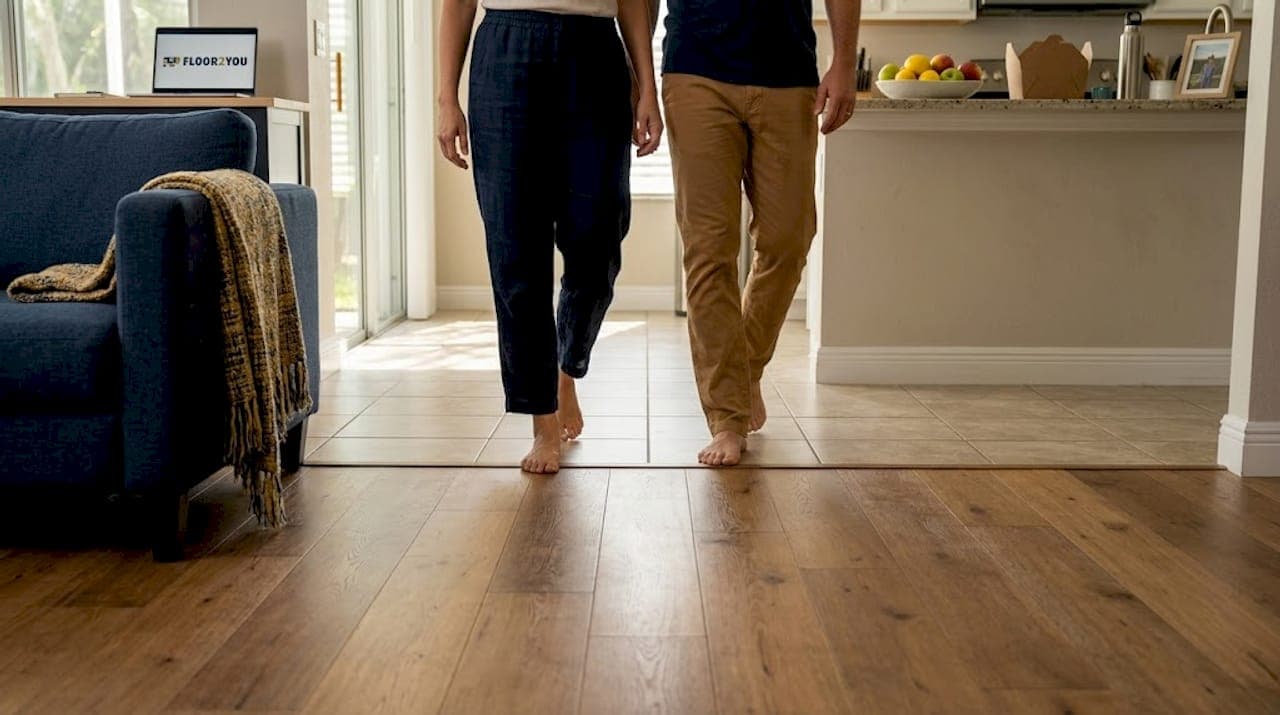
TL;DR:
- Using up to three coordinated flooring types enhances both design and property value.
- Multi-surface flooring matches materials to each room's functional needs for durability and comfort.
- Proper planning of transitions and underlayment is crucial for cohesive, long-lasting floors in South Florida.
Most South Florida homeowners pick one flooring type and run it through every room, assuming it keeps things simple and saves money. In practice, that approach leaves comfort and property value on the table. The three flooring rule a widely referenced interior design principle, encourages using up to three different surface types to balance aesthetics and function without creating visual chaos. This guide explains what multi-surface flooring actually means, why it matters for homes in a humid subtropical climate, and how to choose the right surfaces to boost both daily livability and long-term resale appeal.
Table of Contents
- Understanding multi-surface flooring: What and why
- Maximizing property value and comfort with versatile floors
- The role of aesthetics and cohesion: The three flooring rule
- Practical considerations: Installation, maintenance, and sustainability
- What most owners and property managers miss about multi-surface flooring
- Transform your South Florida home with expert flooring solutions
- Frequently asked questions
Key Takeaways
| Point | Details |
|---|---|
| Maximize property value | A well-planned multi-surface flooring approach appeals to buyers and tenants while supporting long-term resale. |
| Follow the three flooring rule | Limit your choices to three flooring types for a cohesive and upscale look. |
| Prioritize functionality by room | Use easy-care, durable surfaces in busy areas and add luxury where it matters. |
| Factor in installation and maintenance | Choosing the right mix can streamline upkeep and speed up turnaround times for property managers. |
Understanding multi-surface flooring: What and why
One flooring type running through an entire home sounds clean and uncomplicated. The problem is that no single material handles every room's demands equally well. Bathrooms need moisture resistance. Living rooms need durability and style. Bedrooms need warmth and quiet underfoot. That conflict is exactly what multi-surface flooring solves.
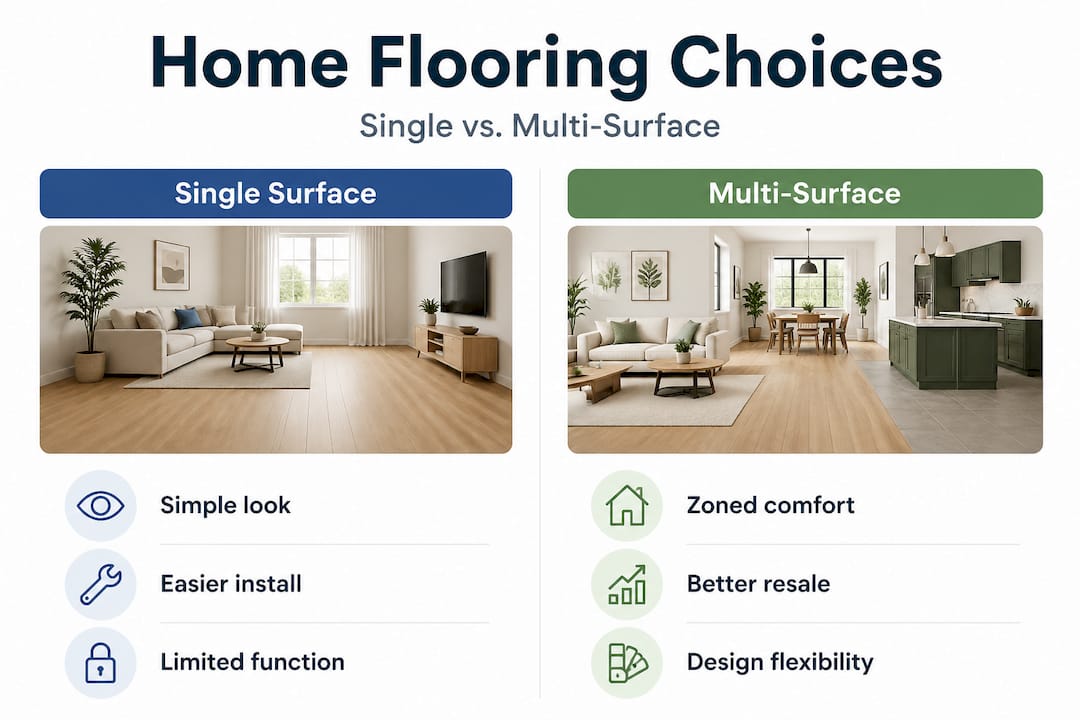
Multi-surface flooring refers to the deliberate use of different flooring materials across different zones in a single home. Rather than defaulting to one choice for convenience, you match the material to each room's actual function and traffic level. It's a strategy rooted in both practical performance and intentional design.
A common misconception is that using more types means more visual interest. That's not necessarily true. Too many competing surfaces create a busy, unplanned look that actually detracts from perceived value. Interior designers widely recommend the three flooring rule, which suggests limiting your home to three surface types for visual cohesion while still allowing enough variety to address different functional needs.
Here's what multi-surface flooring does well:
- Matches the right material to the right room's demands
- Creates intentional design flow rather than accidental variety
- Allows targeted investment in high-visibility or high-stress areas
- Keeps the overall look polished without requiring every room to match exactly
"The goal isn't to create variety for its own sake—it's to make intentional choices that serve each space while keeping the home feeling connected." This thinking is at the heart of every strong flooring plan we put together for South Florida homes.
Making these professional flooring choices early in the renovation process gives you far more flexibility than trying to retrofit flooring decisions after walls, cabinets, or other finishes are already installed.
Maximizing property value and comfort with versatile floors
Multi-surface flooring isn't just a design preference. It's a measurable investment strategy, especially in a market as active as South Florida's.
When a potential buyer or renter walks through a property, they read the floors before anything else. Worn tile in the kitchen, soft carpet in a humid entryway, and scratched laminate throughout the living room communicate neglect. A well-considered floor plan, one where each surface clearly belongs where it is, signals care, quality, and long-term thinking.
Mixing durable surfaces in high-traffic zones with warmer, more premium surfaces in living and sleeping areas creates a hierarchy of comfort that buyers immediately recognize. It also makes financial sense. Investing in more resilient, lower-maintenance flooring in entryways and kitchens keeps repair and replacement costs down over time, while placing quality hardwood or luxury vinyl plank (LVP) in bedrooms and main living areas lifts perceived value without blowing the budget.
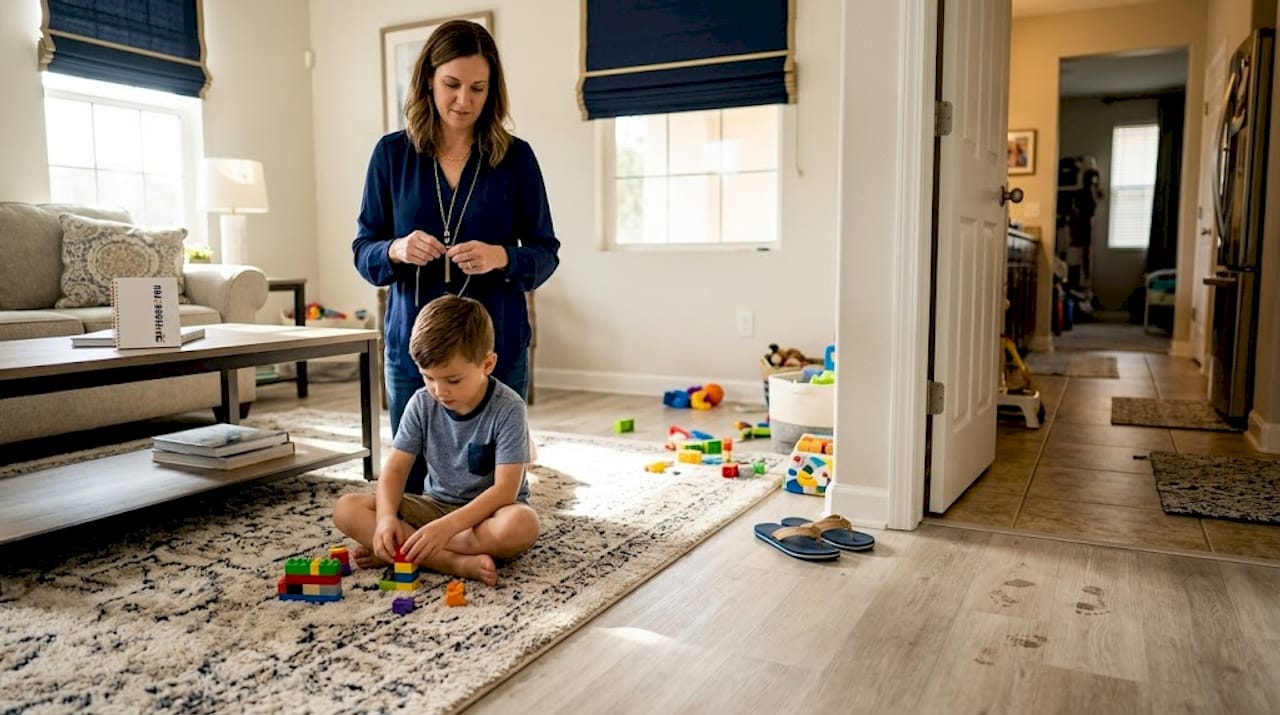
Here's how one-surface versus multi-surface homes compare in real terms:
| Factor | Single-surface home | Multi-surface home |
|---|---|---|
| Initial design effort | Low | Moderate |
| Room-appropriate durability | Often lacking | Matched to function |
| Perceived property value | Average | Higher |
| Buyer and renter appeal | Limited | Broader |
| Long-term maintenance costs | Can be higher | Generally lower |
| Design flexibility | Restricted | Greater |
For property managers specifically, the three flooring rule guidance emphasizes that quick-install and low-disruption surfaces matter enormously during tenant turnover. Every day a unit sits empty costs money. Selecting surfaces that can be replaced or refreshed quickly in high-wear areas, without requiring a whole-home redo, keeps that vacancy window tight.
Pro Tip: Place highly resilient, easy-to-clean surfaces like ceramic tile or rigid core LVP in entryways, kitchens, and bathrooms. Reserve engineered hardwood or premium LVP for bedrooms and main living areas. This combination maximizes both comfort and return on investment without overspending in every zone.
Exploring the best flooring options for South Florida specifically helps you factor in the region's humidity, salt air exposure, and the heavy foot traffic that comes with year-round indoor-outdoor living. What performs well in a dry climate may warp, swell, or fade in a matter of months here.
Keeping pace with modern flooring trends also ensures that your material choices appeal to today's buyers and renters rather than looking dated. Current trends favor wide-plank looks, neutral tones, and materials that convincingly mimic wood or stone without the maintenance overhead those natural materials require.
The role of aesthetics and cohesion: The three flooring rule
Visual cohesion is where most multi-surface flooring plans either succeed or fall apart. Picking great individual surfaces doesn't automatically produce a great overall result. The transitions between materials, the tonal relationships, and the way each surface reads against the walls and furniture all determine whether your home feels curated or chaotic.
The three flooring rule is your anchor. Limit your entire home to a maximum of three flooring types, and make sure those three work together in tone, texture, and scale.
Follow these steps when building a cohesive multi-surface plan:
- Start with your largest, most visible space. The main living area sets the visual tone. Choose your primary flooring here first.
- Select a complementary surface for wet areas. Tile in bathrooms and kitchens should echo the undertones of your primary floor, whether that's warm, cool, or neutral.
- Choose a finishing surface for bedrooms or secondary spaces. This can be softer or warmer, but it should still relate to the primary and wet-area choices in color family and style.
- Test every sample in your actual space. South Florida light changes dramatically depending on whether a room faces east, west, or has deep-set windows. A sample that looks perfect in a showroom can read completely differently once it's on your floor.
- Plan your transitions deliberately. The strips or thresholds between two surface types can either tie a room together or make it look like an afterthought.
"Flooring transitions are the punctuation of your floor plan. Get them wrong and even beautiful surfaces look unfinished."
Here's a practical reference for popular three-surface combinations that work well in South Florida homes:
| Primary surface | Wet area surface | Bedroom or secondary surface |
|---|---|---|
| Engineered hardwood | Large-format porcelain tile | Luxury vinyl plank |
| Luxury vinyl plank | Ceramic tile | Carpet (in bedrooms only) |
| Polished concrete | Mosaic or textured tile | Engineered hardwood |
| Wide-plank LVP | Marble-look porcelain | Engineered wood |
Understanding how to choose tile for cohesion in wet areas is a particularly useful skill here. Tile selection has more visual impact than most homeowners expect, largely because tile covers so much square footage in kitchens and bathrooms and its grout lines add pattern and structure that interacts with everything around it.
Flooring choice also directly affects how large and luxurious a space feels. Light-toned, wide-plank floors in smaller rooms push the walls out visually. Consistent floor tones across open-plan areas make square footage feel greater. Dark, richly textured surfaces in a master bedroom can create a deliberate sense of intimacy. Each of these effects is available to you, but only if you're making intentional choices rather than defaulting to whatever is on sale.
Practical considerations: Installation, maintenance, and sustainability
Even the best floor plan doesn't work if it's impractical to install or expensive to maintain. This is where South Florida homeowners and property managers need to think beyond the showroom floor and into the real-world realities of the installation process.
Installation speed matters more than most people realize. For property managers especially, a renovation that drags on for three weeks means three weeks of lost rental income. Surfaces like luxury vinyl plank and ceramic tile can typically be installed faster than engineered hardwood, which may require acclimation time and more complex subfloor preparation. Planning your surface mix with installation sequencing in mind keeps the project on schedule.
Key maintenance factors to compare across common surfaces:
- Luxury vinyl plank (LVP): Waterproof, scratch-resistant, easy to clean with a damp mop. Highly recommended for South Florida's humidity.
- Ceramic and porcelain tile: Extremely durable, water-resistant, but grout requires periodic sealing to prevent staining and mold in humid conditions.
- Engineered hardwood: Handles humidity better than solid hardwood, but still needs consistent indoor climate control. Avoid in bathrooms or laundry areas.
- Carpet: Soft and quiet in bedrooms, but difficult to maintain in humid climates and not well-suited for South Florida's year-round moisture levels.
- Polished concrete: Virtually indestructible and easy to clean, but hard underfoot and cold-looking without rugs or furniture to soften it.
The advantages of vinyl flooring for South Florida homes are especially strong when it comes to multi-surface plans. Vinyl's ability to convincingly mimic wood, stone, and tile means you can place it strategically where you need durability without sacrificing the look you want.
Sustainability deserves a mention here, too. The lifecycle cost approach to flooring means evaluating not just what a floor costs today, but what it will cost to maintain, repair, or replace over ten or twenty years. A slightly more expensive, highly durable surface installed once often outperforms a budget option replaced every five years, in both cost and environmental impact. Eco-friendly materials like recycled content LVP, FSC-certified engineered wood, and low-VOC adhesives are increasingly available and worth considering if sustainability is a priority for your home or rental.
Pro Tip: When mixing surfaces, always plan your transition strips and underlayment before the installation begins. Different surfaces have different thicknesses, and mismatched heights at transitions create trip hazards and look sloppy. A professional installer knows how to plan these details in advance, which is why it pays to hire flooring contractors with specific experience in multi-surface installations.
What most owners and property managers miss about multi-surface flooring
Here's the uncomfortable truth: most flooring projects that go wrong don't fail because of bad materials. They fail because of bad planning. Specifically, they fail because homeowners assume that picking good-looking surfaces is the same as having a good floor plan. It isn't.
We see this constantly in South Florida renovations. A homeowner selects beautiful engineered hardwood, stylish large-format tile, and a quality LVP for three different areas of their home. Each surface, on its own, is a solid choice. But the tones clash. The transitions are mishandled. The grout color fights with the wood stain. The result looks like three separate renovation projects happened to share the same house.
The real skill in multi-surface flooring is not in the individual selections but in how those selections work as a system. That means thinking about how natural light moves through the space at different times of day, how the eye travels from one zone to the next, and where the natural break points in the floor plan make a surface transition feel logical rather than abrupt.
The three flooring rule is not arbitrary. It exists because human perception gets overwhelmed by too much variety underfoot. Three surfaces, chosen thoughtfully, give you all the functional flexibility you need while keeping the visual experience calm and connected.
Another thing owners miss: investing in flooring underlayment tips and proper subfloor preparation. South Florida's slab-on-grade construction and humidity levels make underlayment choices matter more here than in many other parts of the country. The wrong underlayment under an engineered wood floor in a humid environment can lead to warping, noise, and premature failure, none of which show up until well after the installation crew has left.
Our strongest advice: bring samples home. Test them in your actual light. Stand them next to each other in the rooms where they'll meet at a transition. Consult with a local contractor who has installed floors in South Florida conditions specifically, not just someone with general experience. The regional knowledge matters.
Transform your South Florida home with expert flooring solutions
Knowing what to choose is only half the work. Executing a multi-surface plan correctly, with the right materials, the right transitions, and the right installation sequence, is where expert guidance pays off in a real way.

At Floor2You, we work with South Florida homeowners and property managers every day to build flooring plans that are beautiful, practical, and built to last in this climate. We carry hardwood, vinyl, laminate, tile, and more, and we handle installation from start to finish so you're not managing multiple contractors or trying to coordinate sequencing on your own. Whether you're updating a single-family home or refreshing a rental between tenants, our team delivers quality work on a schedule that respects your time and budget. Reach out today for a consultation and let's build a floor plan that works for your property.
Frequently asked questions
Is multi-surface flooring more expensive than using one type throughout?
Multi-surface flooring may incur higher upfront costs for materials and installation, but lower lifecycle costs through durable, room-appropriate surfaces often reduce long-term maintenance expenses and enhance overall property value.
How do I ensure the floors in my home look cohesive?
Stick to the three flooring rule by limiting your home to three surface types, and ensure those types share complementary tones, textures, and design styles for a harmonious overall appearance.
What surfaces pair best in South Florida homes?
Tile, engineered wood, and luxury vinyl are the most popular combinations because they balance aesthetics with function, offering moisture resistance, durability, and a wide range of styles that suit the region's climate and lifestyle.
Does multi-surface flooring help with tenant turnover?
Yes. Property managers who choose quick-install surfaces for high-wear areas can refresh a unit faster between tenants, reducing vacancy time and keeping rental income flowing without requiring a whole-home renovation each time.