
TL;DR:
- South Florida remodeling requires understanding local hurricane codes and permitting processes.
- Proper planning, early material ordering, and licensed local professionals are crucial to avoid delays and overspending.
- Relying on experienced regional contractors ensures compliance and success in the unique South Florida market.
Planning a home remodel in South Florida sounds exciting until reality sets in. Permit delays, contractor no-shows, surprise water damage behind the walls, and costs that balloon past your original number can turn your dream renovation into months of headaches. The good news is that most of these problems are completely avoidable with the right preparation. This guide walks you through every essential stage of planning your remodel, from setting your goals and locking in a realistic budget to hiring the right professionals and steering clear of the mistakes that derail even well-intentioned projects.
Table of Contents
- What to consider before starting your remodel
- Essential tools, materials, and professionals for your project
- Step-by-step process: How to plan your home remodel
- Avoiding common pitfalls and maximizing results
- Our take: What most guides get wrong about home remodels in South Florida
- Ready to get started? Connect with local flooring and remodel experts
- Frequently asked questions
Key Takeaways
| Point | Details |
|---|---|
| Start with clear goals | Know exactly why you’re remodeling and set expectations before spending money. |
| Budget for surprises | Always add 10–30% extra to your budget for unexpected costs in South Florida. |
| Hire the right professionals | Use licensed, local contractors for any work involving electrical, plumbing, or structure. |
| Stay proactive with permits | Begin permitting and material orders early to avoid major delays and code issues. |
| DIY with caution | Attempt only surface-level changes yourself and leave technical jobs to experienced pros. |
What to consider before starting your remodel
Let's start by making sure you're prepared for everything unique to remodeling in South Florida. This is not Minneapolis or Denver. The climate, local building codes, and hurricane requirements add layers of complexity that generic remodeling guides simply don't address. Going in without understanding these factors is one of the fastest ways to blow your budget and your timeline.
Define your goals first. Are you remodeling to increase resale value, update an outdated kitchen, or improve comfort for your family? Your motivation shapes every decision that follows, from which rooms to prioritize to how much you should spend. A bathroom refresh before selling is a different project than a gut renovation you'll live in for twenty years.
Get real about your budget. South Florida remodeling costs are higher than the national average. While the national median spend sits around $24,000, full home remodels here routinely run $85,000 to $300,000 or more, at roughly $100 to $420 per square foot. A kitchen alone can range from $25,000 to $120,000 depending on scope and finishes. Ignoring the remodel budgeting pitfalls that trip up most homeowners is how projects spiral out of control.
Here's a quick budget reference for common South Florida projects:
| Project type | Typical cost range | Notes |
|---|---|---|
| Full home remodel | $85,000 to $300,000+ | $100 to $420 per sq ft |
| Kitchen remodel | $25,000 to $120,000 | Varies by size and finishes |
| Bathroom remodel | $10,000 to $45,000 | Mid-range to high-end |
| Flooring (whole home) | $8,000 to $30,000 | Depends on material choice |
| Exterior/hurricane upgrades | $15,000 to $50,000+ | Windows, roofing, doors |
Always add a 10 to 30% contingency fund on top of your base estimate. This buffer covers hidden problems like water-damaged subfloors, outdated wiring that needs replacing, or mold found inside walls during demolition. These discoveries are not rare in South Florida homes, especially older ones.
Understand local permitting and hurricane codes. Miami-Dade, Broward, and Palm Beach counties enforce some of the most stringent building codes in the nation, specifically because of hurricane exposure. Impact windows, reinforced roofing connections, and specific structural anchoring requirements are not optional upgrades here. They are code. Factor permit timelines of two to eight weeks into your project schedule from the very beginning.
- Define whether the remodel is for comfort, resale, or rental income
- Research your county's permitting office requirements before finalizing any plans
- Budget for hurricane-rated materials in any structural or exterior work
- Account for potential supply chain delays on impact-rated products
"Skipping the planning phase to save time almost always costs double in corrections later. South Florida's codes are non-negotiable, and the inspectors know every shortcut."
Pro Tip: Order long-lead materials like custom cabinets, specialty tile, and impact windows as early as possible. These items routinely take eight to twelve weeks or more, and ordering late is the single most common cause of project delays.
Know when DIY is reasonable and when it's not. Painting an accent wall, installing peel-and-stick backsplash, or doing basic flooring touch-ups are reasonable DIY tasks. Electrical panel work, plumbing reroutes, and anything structural are jobs for licensed professionals, both for safety reasons and because unpermitted work by unlicensed contractors can create serious insurance and resale issues later.
Essential tools, materials, and professionals for your project
With your budget and goals set, it's time to map out exactly what and who you'll need for every phase. A remodel is not a single job. It's a sequence of trades, materials, and decisions that all need to connect without gaps or conflicts.
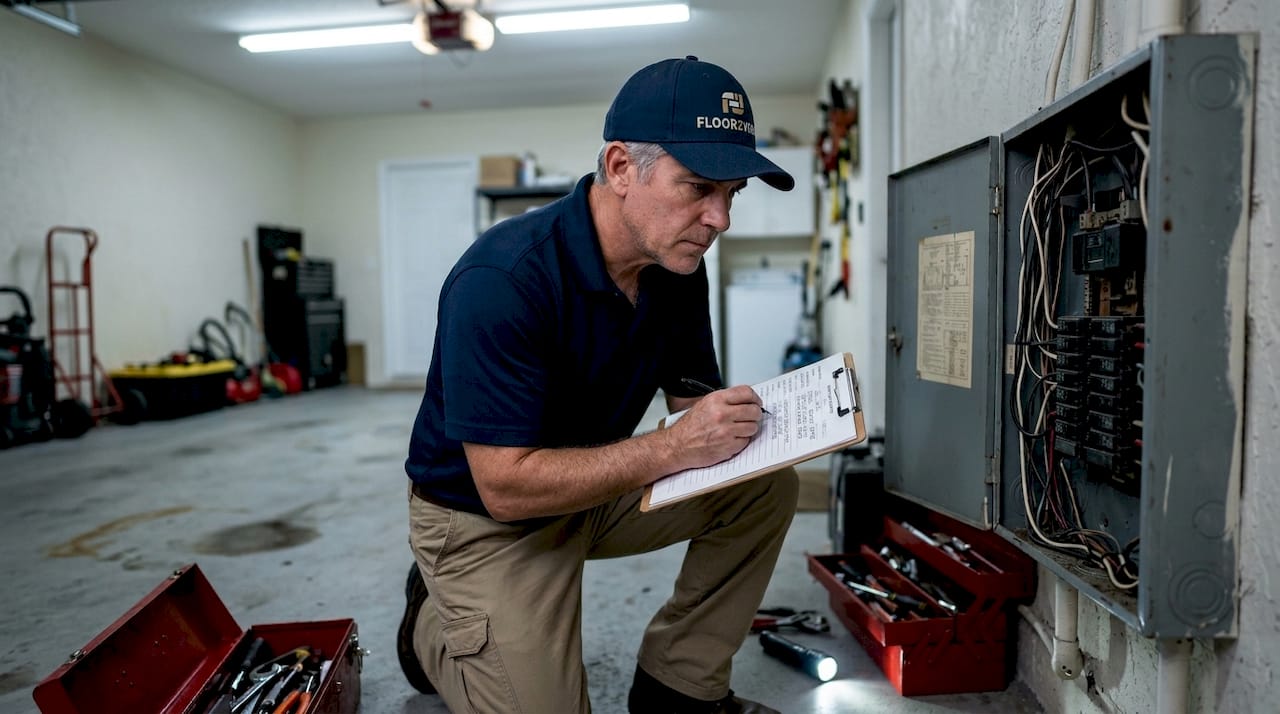
Start with a home inspection. Before demolition, have a licensed inspector evaluate your home's structure, electrical system, plumbing, roof, and foundation. According to a standard remodel checklist, assessing these systems early prevents costly mid-project discoveries. Issues found during construction are always more expensive to fix than issues found in a pre-remodel inspection.
Here's a breakdown of who handles what:
| Task | Who handles it | Why |
|---|---|---|
| Design and space planning | Architect or designer | Permits often require stamped plans |
| Structural changes | Licensed general contractor | Code and safety compliance |
| Electrical work | Licensed electrician | Required for permits and insurance |
| Plumbing reroutes | Licensed plumber | Necessary for permit sign-off |
| Flooring installation | Professional flooring contractors | Warranty, quality, and efficiency |
| Painting | Painting contractor or DIY | Lower complexity, manageable for homeowners |
| Cabinet installation | Carpenter or design-build firm | Precision-dependent work |
Selecting reputable professionals is not just about finding someone with a low quote. You need to verify:
- Florida state contractor license (check at the Department of Business and Professional Regulation)
- Proof of general liability and workers' compensation insurance
- Online reviews across multiple platforms, not just one
- References from past clients in South Florida specifically
- A written contract that details scope, timeline, materials, and payment schedule
The process of hiring licensed contractors is something many homeowners underestimate. Spending a few extra days vetting your contractor is always worth it.
Pro Tip: Design-build firms handle architecture, permitting, and construction under one roof. This single point of contact eliminates the scheduling conflicts and communication breakdowns that happen when you're managing multiple separate contractors at once.
Step-by-step process: How to plan your home remodel
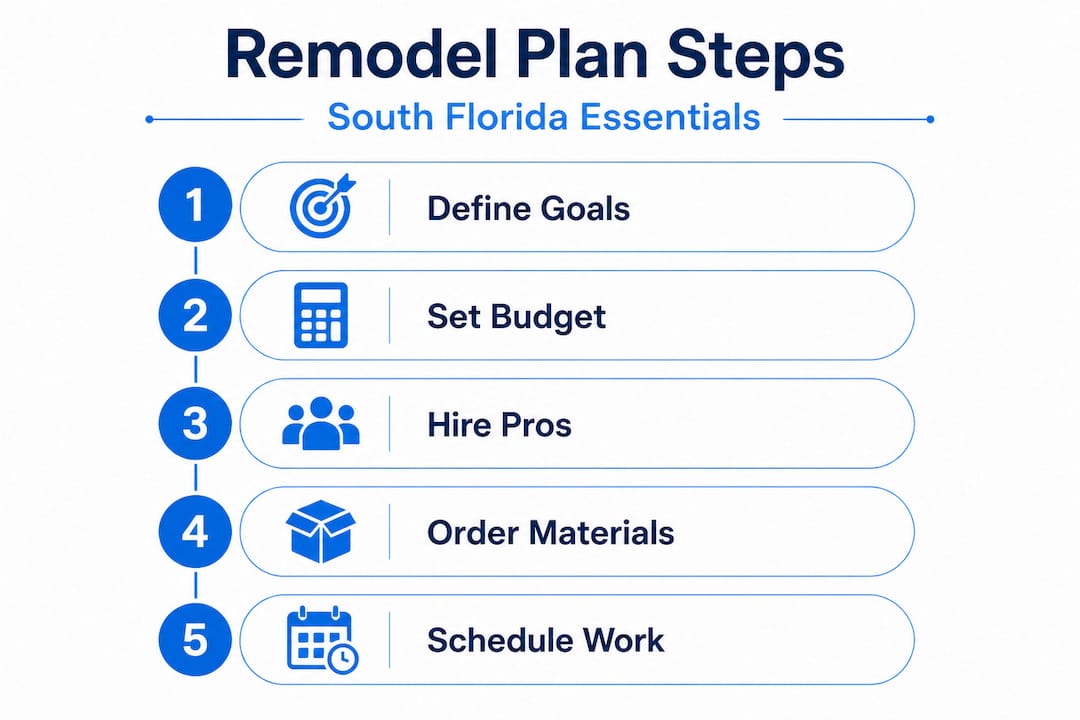
Once you know who's involved, here's your clear roadmap from first idea to final walkthrough. Following this sequence keeps every trade on schedule and prevents the rework that eats into your budget.
-
Define goals and assess needs (1 to 2 weeks). Write down exactly what you want to accomplish and why. Be specific about which rooms, what style, and what functions need to change.
-
Set your budget with contingency (1 to 2 weeks). Lock in a firm number with your 10 to 30% buffer built in before you talk to a single contractor.
-
Inspect home structure, electrical, plumbing, and foundation (1 to 2 weeks). Hire a licensed inspector before committing to any design.
-
Hire your professionals (2 to 4 weeks). Vet and interview architects, general contractors, and specialty trades. Sign contracts only after reviewing scope and references thoroughly.
-
Obtain permits (2 to 8 weeks). Submit plans and wait for approval. In South Florida, permit timelines regularly run longer due to hurricane code requirements and municipal backlogs. Do not start construction without approved permits.
-
Finalize design, materials, and timeline (2 to 4 weeks). Lock in your flooring, cabinets, fixtures, and finishes. Order everything with long lead times immediately.
-
Site preparation, demolition, and construction (varies by scope). This phase includes framing, rough-in work for electrical and plumbing, inspections at each phase, then finishes like installing hardwood flooring and tile. Your tile flooring selection decisions made in step six directly affect how smoothly this phase goes.
-
Final walkthrough, punch list, and cleanup (1 to 2 weeks). Walk through the completed work with your contractor. Document every item that needs correction before releasing final payment.
Here is a timeline overview for each phase:
| Phase | Responsible party | Expected timeline |
|---|---|---|
| Goal setting and budget | Homeowner | 1 to 2 weeks |
| Home inspection | Licensed inspector | 3 to 5 days |
| Hiring professionals | Homeowner and contractor | 2 to 4 weeks |
| Permitting | Contractor and municipality | 2 to 8 weeks |
| Material ordering | Contractor and homeowner | 2 to 12 weeks |
| Construction | General contractor and trades | 4 to 20+ weeks |
| Final walkthrough | Homeowner and contractor | 1 to 2 weeks |
Only 34% of homeowners actually stick to their original remodel budget. The ones who do almost always have a detailed plan, a contingency fund, and a contractor who gives them weekly progress updates.
The honest reality is that South Florida adds time to almost every phase. Hurricane codes require specific inspections. Local supply warehouses frequently run low on impact-rated materials. Municipal permit offices deal with high volume. None of this is a reason to rush. Rushing through this sequence is what turns a well-funded remodel into a legal and financial mess.
Avoiding common pitfalls and maximizing results
You have your plan. Here's how to keep everything on track and avoid common remodeling regrets that South Florida homeowners share in hindsight.
The most costly mistakes people make:
- Skipping or undersizing their contingency fund (water damage behind walls is extremely common in South Florida homes)
- Ordering materials after permits are approved instead of simultaneously
- Hiring unlicensed or out-of-state contractors unfamiliar with local codes
- Changing their minds on materials mid-construction, which resets lead times and delays every trade behind the change
- Paying contractors in full before work is complete or inspections are passed
56% of homeowners renovate their homes, but only 34% stay on budget. Mid-range kitchen remodels in South Florida typically run $40,000 to $75,000, and that number climbs fast when change orders stack up. Staying on budget means making decisions early and sticking to them.
Strategies that actually keep projects on track:
- Lock in your materials before construction begins, not during
- Schedule all subcontractors through your general contractor to avoid gaps and conflicts
- Hold a weekly check-in with your project manager or contractor
- Keep a written change order log so nothing is done on a handshake
- Know your choosing the right flooring decision before demo day, because flooring affects everything from door heights to cabinet installations
On the DIY front, South Florida's building codes draw a sharp line. Cosmetic updates like painting and simple flooring replacements are safe DIY territory. Electrical, plumbing, and structural modifications are not, both for safety and because insurance companies and future buyers will scrutinize unpermitted work.
"The cheapest contractor rarely delivers the best outcome. In South Florida especially, local experience and licensing are worth every dollar of the premium."
Pro Tip: Never release your final payment until all permits are officially closed and all inspections have been signed off by the local municipality. A project that looks finished but has open permits can block your ability to sell or refinance the home.
Our take: What most guides get wrong about home remodels in South Florida
Here's a hard-won lesson from years of remodeling in South Florida: generic guides written for a national audience will not prepare you for what happens here. They cover budgeting and hiring, but they ignore the reality of what it means to remodel in a hurricane-prone, high-humidity, permit-heavy market.
Most template guides treat permitting as a quick checkbox. In South Florida, it is one of the most time-sensitive and complicated parts of the entire project. Contractors who are not embedded in the local market don't have established relationships with inspectors, don't know which municipalities move faster, and don't anticipate the specific documentation requirements for Miami-Dade or Broward County. That gap costs weeks.
The difference between a smooth remodel and a nightmare is almost never the design. It's whether your contractor actually lives and works in South Florida and has navigated these systems dozens of times. A national franchise or an out-of-town crew taking on work during a busy season is a recipe for delays, code violations, and change orders.
We have also seen homeowners choose materials that look great but perform terribly in this climate. Solid hardwood that swells in humidity, grout that cracks from temperature swings, paint that peels on exterior walls because it wasn't formulated for South Florida conditions. Understanding South Florida vinyl flooring and other climate-smart material choices is not a preference. It's a practical necessity.
Local design-build firms with regional experience consistently outperform national chains at anticipating supply chain bottlenecks and permitting timelines. They also tend to have preferred vendor relationships that move faster and come with accountability. That access is an investment, not an extra expense. Cutting corners with unlicensed or non-local labor almost always ends up costing more in corrections, failed inspections, and lost time.
Ready to get started? Connect with local flooring and remodel experts
If this guide made one thing clear, it's that a successful South Florida remodel comes down to preparation and partnering with the right team. Generic contractors can execute standard work. But here, you need professionals who understand permitting timelines, hurricane-rated materials, and the full sequence of trades.

At Floor2You, we work exclusively in South Florida and handle everything from full kitchen and bathroom remodels to hardwood, vinyl, tile, and laminate flooring installation. We manage the entire process, from your first consultation through final inspection, so you're never left coordinating between trades on your own. Whether you're upgrading a primary residence, refreshing a rental, or preparing your home for sale, our team delivers quality work on a clear timeline. Connect with the South Florida flooring and remodel experts at Floor2You and get a straightforward quote for your project today.
Frequently asked questions
How much should I budget for a complete home remodel in South Florida?
Full home remodels in South Florida typically cost $85,000 to $300,000, or roughly $100 to $420 per square foot depending on scope and finishes. Always add a 10 to 30% contingency fund on top of your base estimate.
How long does a home remodel take?
Expect two to six weeks for design and planning, two to ten weeks for material sourcing, and additional time for construction based on project size, according to a standard renovation timeline. South Florida permitting can extend the overall timeline by several additional weeks.
Do I need permits for every remodel project?
Most electrical, structural, plumbing, and layout changes require permits, while cosmetic updates like painting and minor flooring work typically do not. Always confirm with your local municipality before starting any work.
When should I hire a licensed contractor instead of DIY?
Always bring in a licensed pro for electrical, plumbing, and structural work. Cosmetic tasks like painting or simple flooring updates are reasonable for experienced DIYers, but anything that touches safety systems requires a licensed trade.
What's the biggest mistake South Florida homeowners make when remodeling?
Underestimating permitting timelines and ignoring hurricane-specific building codes are the most expensive mistakes local homeowners make. Both lead to failed inspections, project restarts, and costs that far exceed what a proper plan would have required upfront.