
TL;DR:
- Flooring influences home style, space perception, and emotional experience, making it a vital design element.
- LVP and porcelain tile are ideal for South Florida's humid climate due to their durability and moisture resistance.
- Proper planning, cohesion, and professional installation enhance home value and create a seamless, lasting aesthetic.
Most homeowners spend weeks agonizing over paint colors and furniture, then pick flooring in an afternoon. That's a mistake. Your floors cover every square foot of your home, anchor every color palette, and set the tone for every room before a single piece of furniture arrives. In South Florida, where humidity, heat, and storm season are facts of life, the wrong flooring choice can look beautiful on day one and warp, stain, or crack within a year. This guide walks you through exactly how flooring shapes your home's design, which materials hold up in this climate, and how to make choices you'll love for decades.
Table of Contents
- How flooring sets the tone for home design
- Comparing flooring materials: style, durability, and cost
- Flooring cohesion and flow: rules and modern approaches
- Practical tips for choosing the right flooring
- Why flooring is South Florida's secret design hero
- Ready to transform your home? Explore flooring solutions
- Frequently asked questions
Key Takeaways
| Point | Details |
|---|---|
| Flooring shapes home design | Your flooring choices influence every aspect of your interior’s look, feel, and function. |
| Durability matters | Picking resilient materials like porcelain tile or LVP ensures long-lasting floors, especially in humid climates. |
| Cohesion boosts visual flow | Following flooring rules and trends allows your home’s style to feel unified and spacious. |
| Practical selection saves time | Considering climate, traffic, and maintenance streamlines your flooring decisions and reduces long-term hassle. |
| Expert help maximizes results | Professional installation and advice can prevent common mistakes and deliver lasting value. |
How flooring sets the tone for home design
Think of your floors as the canvas your entire interior design is painted on. Every furniture choice, every wall color, every light fixture either harmonizes with your flooring or fights against it. That's not an exaggeration. Flooring is the single largest visual surface in any room, and it influences how spacious, warm, or modern a space feels the moment someone walks through the door.
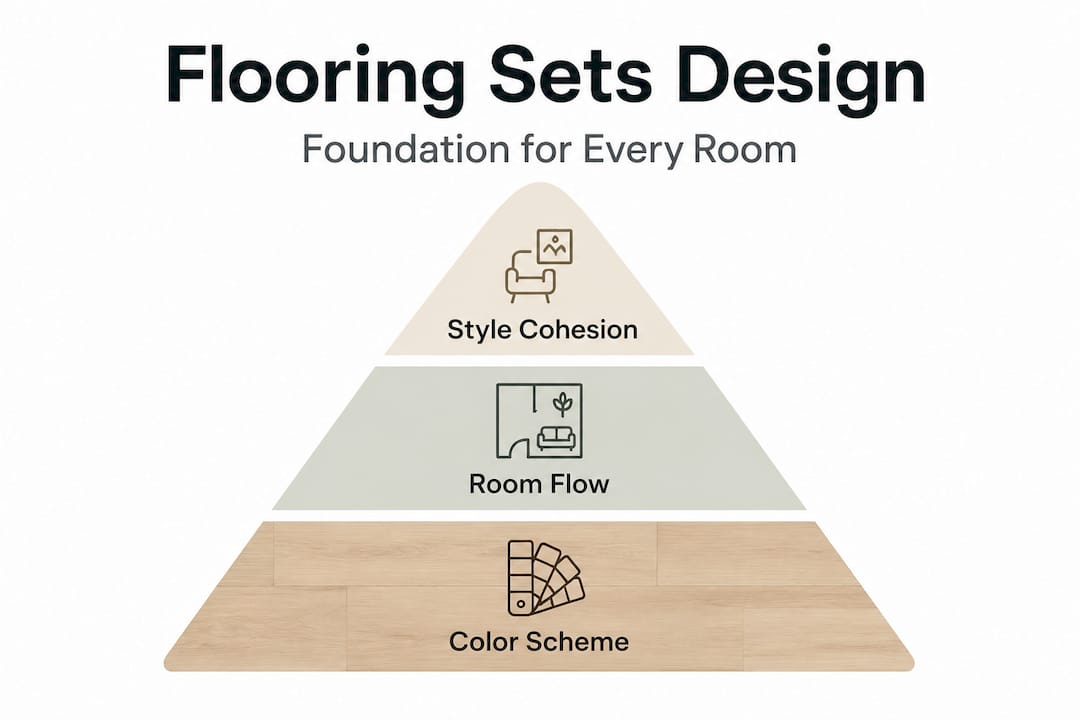
Flooring anchors your color palette. Light-toned floors like pale oak or white porcelain tile make rooms feel larger and airier, which is a big deal in South Florida where natural light is abundant. Dark floors, like espresso-stained hardwood or charcoal tile, create a grounded, dramatic effect that works beautifully in formal dining rooms or primary bedrooms. When you choose flooring first, every other design decision becomes easier because you're building around a fixed foundation.
Texture and pattern play an equally powerful role. A wide-plank wood floor with visible grain adds warmth and character. A large-format tile laid in a herringbone pattern adds movement and visual interest. These choices don't just look different. They feel different underfoot and change how people experience a room emotionally.
Here's what flooring can do for your space:
- Create the illusion of space: Large tiles with minimal grout lines or long-plank flooring laid lengthwise makes narrow rooms feel wider.
- Define zones in open layouts: Different flooring materials or colors can visually separate a kitchen from a living area without walls.
- Set a style theme: Wide-plank reclaimed wood says farmhouse or coastal. Polished marble-look porcelain says contemporary luxury.
- Improve acoustics: Softer materials like cork or carpet absorb sound; hard surfaces like tile reflect it.
Designers have long followed the three flooring rule as a guideline for cohesion, recommending no more than three flooring types throughout a home. But newer modern flooring trends are shifting toward seamless single-material flows, especially in open-concept homes where visual continuity creates a cleaner, more expansive feel.
"Flooring is the foundation of a room's design. Get it right, and everything else falls into place. Get it wrong, and no amount of expensive furniture will save the space." — Interior design principle widely shared among professional decorators.
Comparing flooring materials: style, durability, and cost
Knowing that flooring matters is one thing. Knowing which material to choose for your South Florida home is another. Let's break down the four most popular options used in this region, comparing them honestly across style, durability, cost, and climate suitability.
| Material | Avg. cost per sq ft | Lifespan | Humidity resistance | Style range | Maintenance |
|---|---|---|---|---|---|
| Luxury vinyl plank (LVP) | $3 to $5 | 15 to 25 years | Excellent | Wide | Very low |
| Porcelain tile | $5 to $15 | 50+ years | Excellent | Wide | Low |
| Engineered hardwood | $6 to $12 | 20+ years | Good | Moderate | Moderate |
| Solid hardwood | $8 to $15+ | 25 to 100 years | Poor | Classic | High |
Luxury vinyl plank (LVP) has become the go-to for South Florida homeowners, and for good reason. At $3 to $5 per square foot, it's affordable, waterproof, and available in styles that convincingly mimic wood, stone, and tile. A wear layer of 20mil or more means it handles heavy traffic for 15 to 25 years without fading or scratching. Explore your full range of vinyl flooring options before ruling it out as a budget choice. It's genuinely one of the most practical materials available today.
Porcelain tile is the other South Florida staple. It laughs at humidity, stands up to sand and grit tracked in from the beach, and with a PEI rating of 4 to 5, it can last over 50 years. It's heavier and more expensive to install, but the long-term value is hard to beat. Our tile flooring guide covers everything from format sizes to grout selection for South Florida conditions.
Engineered hardwood gives you the look of real wood with better moisture resistance than solid hardwood. A veneer of 4mm or more means it can be refinished at least once, extending its life well past 20 years. It's a smart middle ground for homeowners who love wood aesthetics but live in a humid climate.
Solid hardwood is the prestige option. It offers a 118% ROI on resale according to the National Association of Realtors, and species like hickory (Janka hardness rating of 1,820) and white oak (1,360) are genuinely tough. But in South Florida's humidity, solid hardwood requires climate-controlled interiors, careful acclimation, and consistent maintenance. It's not the right call for every room or every home. Check out the best flooring types for South Florida to see which materials perform best in this specific climate.
Key factors that affect your material decision:
- Pet owners: LVP and porcelain tile resist scratches and accidents far better than hardwood.
- Resale focus: Hardwood or high-end porcelain tile adds the most perceived value.
- Rental properties: LVP wins on durability, ease of replacement, and cost.
- Coastal homes: Porcelain tile and LVP handle salt air and moisture without warping.
Pro Tip: Always buy 10 to 15% more flooring than your square footage measurement. Cuts, waste, and future repairs mean you'll thank yourself later when the same lot number is no longer available.
Flooring cohesion and flow: rules and modern approaches
You've chosen your materials. Now the bigger question is how to blend them across your home without it looking like a patchwork quilt. This is where many homeowners make costly mistakes, either using too many different materials or going so uniform that the home feels sterile.
The traditional three flooring rule gives you a practical framework. Use one primary flooring material for main living areas, a second for wet areas like bathrooms and laundry rooms, and a third for bedrooms if you want a softer feel. This keeps the home visually organized without being rigid.
Here's how to apply cohesion principles room by room:
- Start with your largest room. Whatever flooring you choose for your main living area sets the design standard for the entire home. Everything else should complement it.
- Match undertones, not just colors. A warm-toned LVP in the living room will clash with a cool-gray tile in an adjacent kitchen if the undertones fight each other. Pull samples and compare them in your actual lighting.
- Use transition strips strategically. Where two materials meet, the transition strip should blend, not contrast. Matching metal or wood transitions keep the eye moving smoothly.
- Think about sightlines. Stand at your front door and look through your home. Every flooring material visible from that point should feel intentional and connected.
- Limit pattern mixing. If you use patterned tile in one area, keep adjacent flooring simple. Two competing patterns create visual noise that makes spaces feel smaller and busier.
"Seamless flooring throughout an open-concept home is one of the most powerful ways to make a modest square footage feel genuinely spacious." — A design principle that's reshaping how South Florida homes are renovated today.
The trend toward continuous flooring, running the same material from the front door through the living room and into the kitchen, is especially popular in South Florida's open-plan homes. It eliminates visual interruptions and makes the home feel larger. Explore more flooring style tips to see how this approach translates to different home layouts.
Pro Tip: If you love the look of wood in your living areas but need tile in wet zones, choose a wood-look porcelain tile for bathrooms. The visual connection between rooms stays intact while each material does its job.
Practical tips for choosing the right flooring
Style and cohesion matter, but practical realities matter just as much. South Florida's climate creates specific challenges that should shape every flooring decision you make. Here's how to work through the selection process systematically.
Start with your lifestyle checklist:
- Moisture exposure: Does the room connect to a pool area, outdoor space, or bathroom? Prioritize waterproof materials like LVP or porcelain tile.
- Foot traffic volume: High-traffic areas like entryways, kitchens, and hallways need harder, more durable surfaces. Softer materials work better in low-traffic bedrooms.
- Maintenance tolerance: Be honest with yourself. If you don't want to refinish floors every few years, don't choose solid hardwood. If you want near-zero maintenance, LVP or tile is your answer.
- Budget, installed: Always price flooring with installation included. A $3 per square foot material can cost $8 to $10 per square foot installed. Get the full picture before committing.
- Future plans: If you're planning to sell in the next three to five years, prioritize materials with strong resale appeal. If you're staying long-term, prioritize what you'll actually enjoy living with.
South Florida's humidity averages around 75% year-round, which is brutal for moisture-sensitive materials. LVP at $3 to $5 per square foot gives you waterproof performance at a price point that makes whole-home installation realistic. The advantages of vinyl flooring in this climate go well beyond cost.
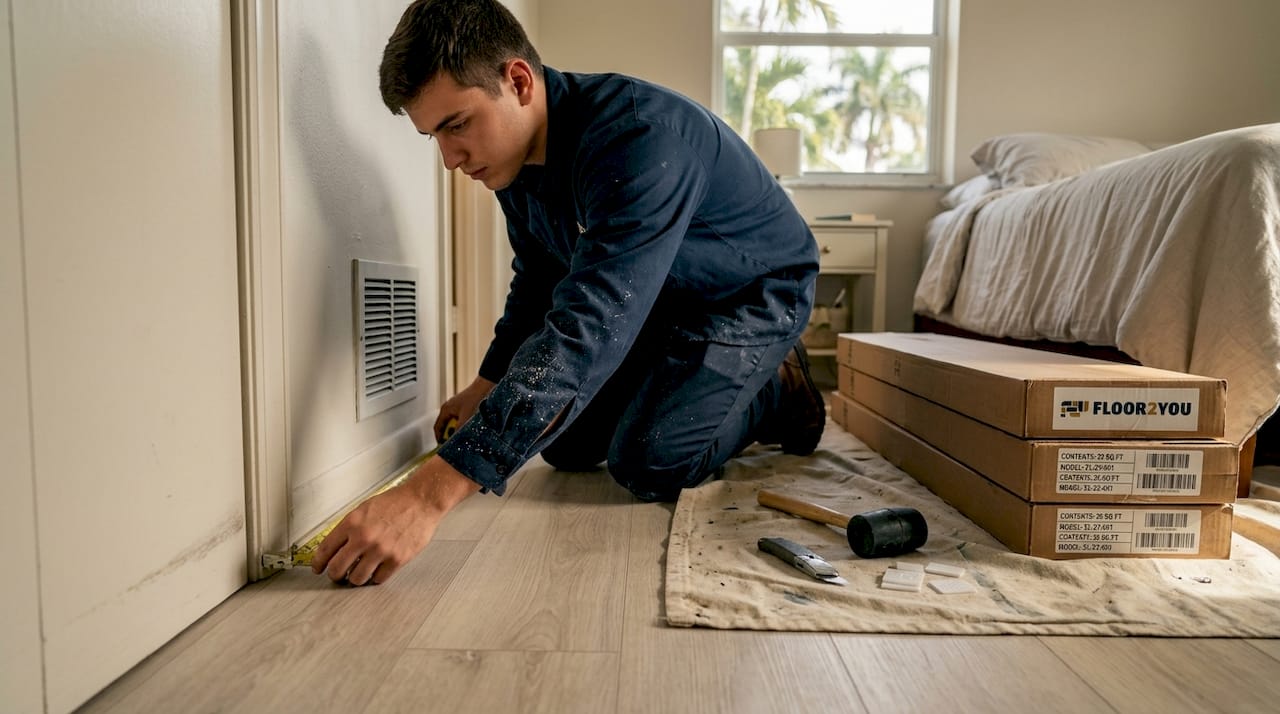
Don't overlook underlayment. It's the layer installed between your subfloor and your finished flooring, and it affects sound absorption, moisture resistance, and how the floor feels underfoot. The right flooring underlayment can extend the life of your floors and dramatically improve comfort. Many homeowners skip this step to save money and regret it within a year.
When to hire a professional:
- Large-format tile installation (tiles 24 inches or larger require precise leveling)
- Hardwood or engineered hardwood (improper acclimation and nailing patterns cause buckling)
- Any installation over radiant heat systems
- Complex patterns like herringbone or diagonal layouts
For straightforward click-lock LVP in a single room, a confident DIYer can manage it. But for whole-home projects or any material that requires subfloor prep, a professional flooring contractor saves you from expensive mistakes. If you're considering hardwood specifically, review a detailed hardwood installation guide before deciding whether to DIY or hire out.
Why flooring is South Florida's secret design hero
Here's an opinion we hold firmly after working on hundreds of South Florida homes: flooring is the most underinvested design element in residential remodeling, and it's the one that delivers the most visible return.
Homeowners routinely spend $15,000 on a kitchen remodel and then install $1.50 per square foot laminate throughout the rest of the house. The result is a stunning kitchen that feels disconnected from every other room. The floor is what ties a home together. It's the thread that runs through every space, and when it's cheap or mismatched, no amount of premium finishes elsewhere can compensate.
In South Florida specifically, the stakes are higher than in most other markets. You're dealing with a climate that punishes poor material choices fast. You're also dealing with a real estate market where buyers are sophisticated and notice quality. A home with beautiful, well-maintained flooring throughout commands attention and better offers.
We've also seen the emotional side of this. Homeowners who invest in quality flooring report feeling genuinely different in their homes. It's not just about aesthetics. It's about the tactile experience of walking barefoot on cool tile in July, or the warmth of engineered hardwood in a bedroom that makes you want to linger. Flooring affects how you feel in your home every single day.
The professional flooring benefits go beyond installation quality. A professional helps you avoid the costly mistakes that come from choosing the wrong material for your specific subfloor, climate zone, or lifestyle. That guidance is worth more than most homeowners realize until they've already made an expensive error.
Treat flooring as a core design decision, not a finishing detail. Plan it first, budget for quality, and get professional input before you commit. Your home will look better, feel better, and hold its value longer.
Ready to transform your home? Explore flooring solutions
Choosing the right flooring for your South Florida home doesn't have to feel overwhelming. The right team makes the process straightforward, from material selection to final installation.
At Floor2You, we work with South Florida homeowners every day to select flooring that fits their style, budget, and climate needs. Whether you're replacing floors in a single room or renovating your entire home, our team handles every step with the craftsmanship and attention to detail your home deserves. From luxury vinyl plank to porcelain tile to engineered hardwood, we bring the options to you and install them right the first time. Visit our flooring solutions and services page to request a quote, browse project galleries, and connect with a local expert who knows South Florida homes inside and out.
Frequently asked questions
What flooring types withstand South Florida's humidity best?
Porcelain tile and luxury vinyl plank (LVP) are the most humidity-resistant options, with LVP lasting 15 to 25 years and porcelain tile lasting 50 or more years with minimal maintenance in high-moisture conditions.
How do I maximize resale value with flooring?
Hardwood flooring offers a 118% ROI on resale according to the National Association of Realtors, but pair it with durable materials in wet zones to keep maintenance manageable in South Florida's climate.
What is the three flooring rule?
The three flooring rule advises using no more than three types of flooring throughout a home to maintain visual cohesion, though modern open-concept designs often favor a single continuous material for a more seamless look.
Is luxury vinyl plank (LVP) a good choice for heavy traffic areas?
Yes. LVP with a wear layer of 20mil or more handles heavy foot traffic for 15 to 25 years, making it one of the most practical and cost-effective options for busy households in South Florida.