
TL;DR:
- South Florida's high humidity causes frequent wood movement, requiring active indoor humidity control.
- Proper daily, weekly, and monthly cleaning routines extend hardwood floors' lifespan.
- Investing in preventive measures and moisture management saves costly repairs and extends floor durability.
Hardwood floors are a serious investment, and in South Florida, they face threats that homeowners in other parts of the country simply don't deal with. The relentless humidity, sudden rain bursts, and warm temperatures year-round create the perfect conditions for warping, cupping, and even mold growth beneath your floorboards. Ignore those risks and you could be looking at costly repairs or full replacement within years. Follow the right care routine, though, and properly maintained solid hardwood can last well over a century. This guide gives you a practical, step-by-step plan built specifically for our South Florida climate.
Table of Contents
- Understanding South Florida's challenges for hardwood floors
- Essential daily, weekly, and monthly hardwood care routines
- Prevention: Protecting hardwood from scratches, dents, and wear
- Controlling humidity: The key to avoiding long-term damage
- When and how to refinish or repair hardwood floors
- Our take: What most guides miss about South Florida hardwood care
- Need expert help? Trusted flooring solutions for your home
- Frequently asked questions
Key Takeaways
| Point | Details |
|---|---|
| Control humidity | Maintaining indoor humidity between 35-55% prevents most hardwood floor damage in South Florida. |
| Follow a care routine | Consistent daily, weekly, and monthly cleaning preserves finish and extends floor life. |
| Prevent scratches | Use mats, felt pads, trim pet nails, and avoid shoes indoors to minimize surface wear. |
| Refinish when needed | Refinishing rejuvenates appearance and can add decades to solid wood floors if done properly. |
Understanding South Florida's challenges for hardwood floors
South Florida sits in a humid subtropical zone, which means average humidity levels routinely climb above 70% outdoors. When that moisture seeps indoors, wood absorbs it. Because wood is a natural material, it expands when wet and contracts when dry. In a climate with dramatic swings between air-conditioned interiors and steamy outdoor air, your floors are constantly moving in ways you can't see.
This movement causes a range of problems. Cupping happens when the edges of boards rise higher than the center because moisture is absorbed unevenly. Gapping occurs when boards dry out and shrink, leaving visible cracks. Warping is the worst outcome: boards twist or buckle so severely that they become a trip hazard and require full replacement. Mold is a quieter threat, thriving in the dark space beneath your floors when moisture lingers too long.
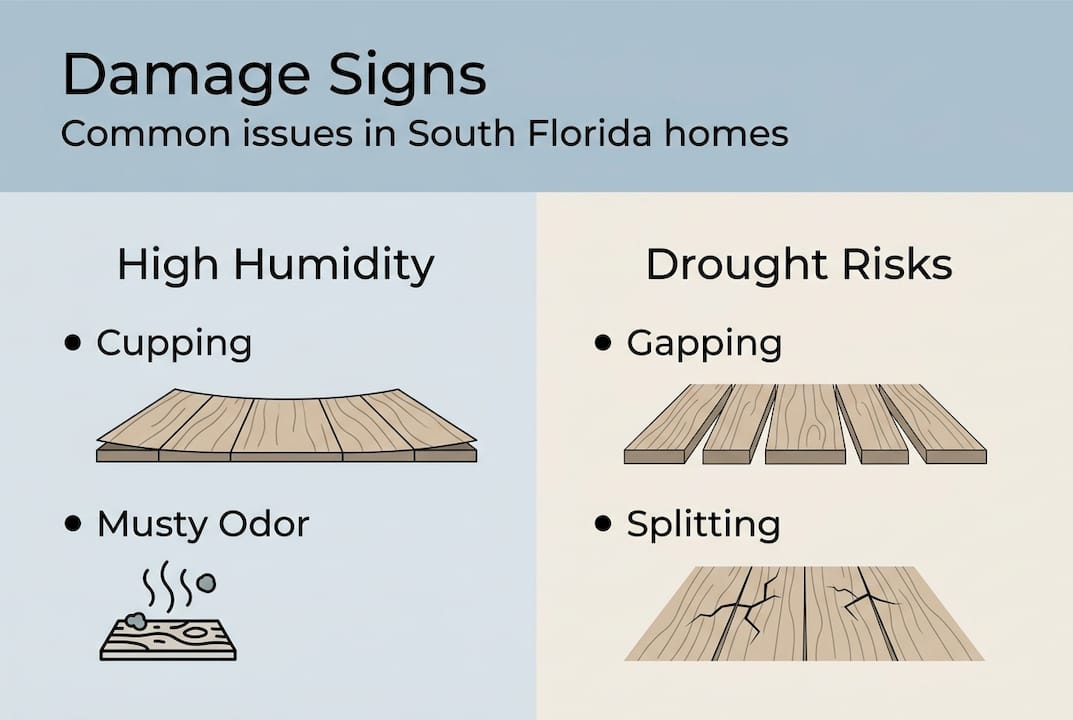
Compared to homes in dry climates like Arizona or even the mid-Atlantic, South Florida homes need far more active management. Seasonal changes elsewhere give floors time to stabilize. Here, high humidity is a near-constant pressure.
The single most important number to know is your indoor humidity level. Maintaining indoor humidity between 35-55% prevents expansion, contraction, cupping, gapping, and mold. Staying in that range is your primary defense. Understanding best flooring types for this region also helps you make smarter long-term choices. Pairing the right species with good flooring underlayment tips adds another layer of moisture protection from below. Learn more about humidity and floor care from tested expert sources.
Signs of climate-related floor damage
| Sign | What it means | Urgency |
|---|---|---|
| Board edges raised | Cupping from excess moisture | High |
| Visible gaps between boards | Gapping from moisture loss | Medium |
| Boards buckling or twisting | Warping, possible subfloor damage | Urgent |
| Musty odor near floor level | Mold or mildew growth beneath floor | Urgent |
| Dull, cloudy finish | Surface moisture or finish breakdown | Low to medium |
Essential daily, weekly, and monthly hardwood care routines
With an understanding of climate-specific risks, let's break down a care routine that fits these demands.
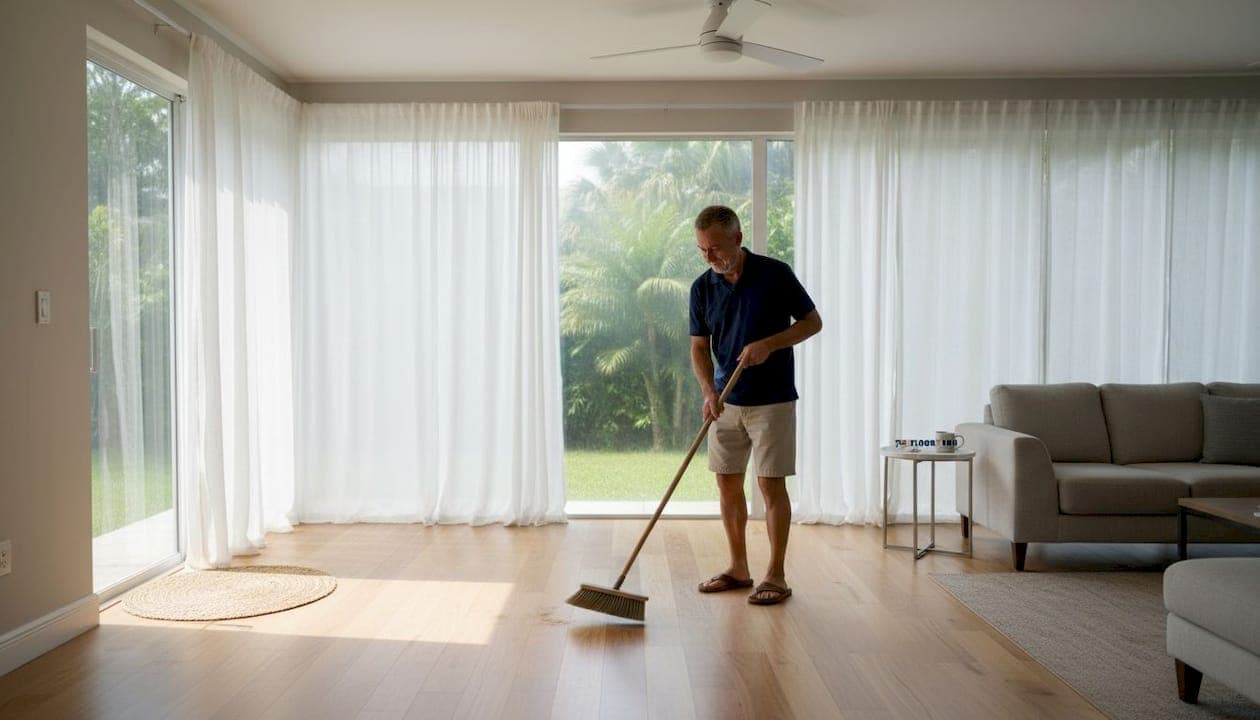
Good habits take minutes but add years to your floor's life. The key is consistency. According to tested guidance on proper hardwood cleaning, the recommended schedule is straightforward: sweep or dust mop daily, vacuum with a soft brush attachment weekly, and damp mop with a pH-neutral cleaner monthly. That three-tier rhythm keeps grit from grinding into your finish and prevents moisture from building up.
Your care schedule:
- Daily: Sweep or dust mop high-traffic areas to remove fine grit, sand, and dust before they act like sandpaper on your finish.
- Weekly: Vacuum with soft brush attachment to pull debris from between boards without scratching.
- Monthly: Damp mop using a well-wrung microfiber mop and a pH-neutral hardwood cleaner. Never let standing water sit on the surface.
The cleaning products and tools you choose matter just as much as frequency. Some popular options can silently destroy your floor over time.
Cleaning product comparison
| Tool or product | Safe for hardwood | Why |
|---|---|---|
| Microfiber dust mop | Yes | Traps dust without scratching |
| pH-neutral hardwood cleaner | Yes | Cleans without stripping finish |
| Damp microfiber mop (wrung out) | Yes | Cleans with minimal moisture |
| Steam mop | No | Forces moisture into wood joints |
| Vinegar solutions | No | Acidic, degrades finish over time |
| Oil soaps | No | Leaves residue, attracts dirt |
| Soaking wet mop | No | Causes cupping and subfloor damage |
Steam mops feel effective but are one of the fastest ways to ruin a finish. The pressurized steam drives moisture directly into the joints between boards, accelerating every damage pattern listed in the section above. Vinegar is similarly risky; it feels natural and cheap, but its acid content gradually breaks down polyurethane and other finishes, leaving your wood exposed. When installing hardwood flooring or refreshing an existing floor, always verify which products are approved for your specific finish type.
Pro Tip: Keep two microfiber mop pads on hand so one is always clean and dry. In South Florida's humidity, a damp pad left overnight can pick up mildew before you even use it again.
Prevention: Protecting hardwood from scratches, dents, and wear
Routine cleaning is important, but deliberate prevention steps save you from bigger repairs later.
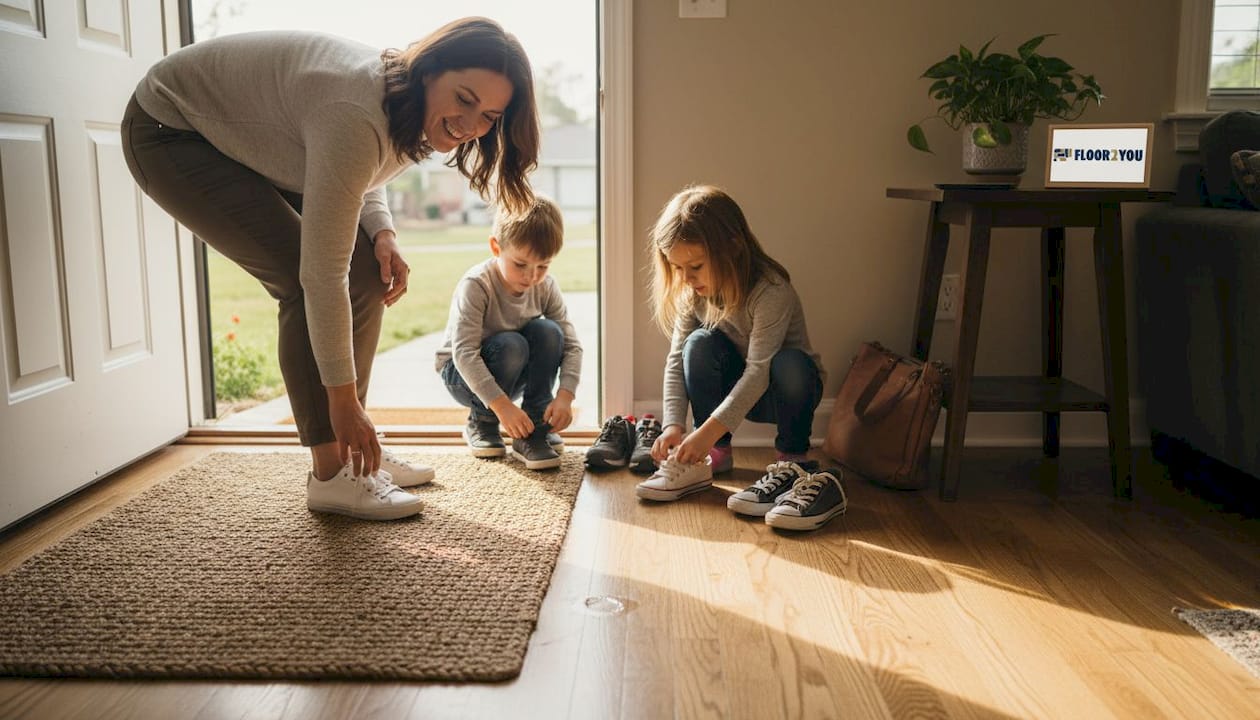
Surface scratches are the most common complaint homeowners have about their hardwood floors, and nearly all of them are preventable. The biggest culprits are furniture legs, pet nails, and tracked-in debris from outside. Each one is manageable with simple systems.
Top prevention strategies:
- Place entry mats at every exterior door to catch grit before it reaches the floor.
- Apply felt pads under all furniture legs, including chairs that get moved frequently.
- Enforce a no-shoes policy, especially for hard-soled or high-heeled shoes.
- Trim pet nails regularly; long nails create fine scratches with every step.
- Use area rugs in heavy-traffic zones like hallways and in front of sofas.
- Avoid rubber-backed rugs; they trap moisture against the wood surface.
Felt pads are inexpensive and often forgotten. They do wear down and collect debris over time, which actually makes them abrasive. Replace felt pads every 6-12 months or sooner if you notice them thinning or flattening. A worn pad offers zero protection and can scratch worse than bare wood.
"Using entry mats, felt pads under furniture, a no-shoes policy, and trimmed pet nails are among the most effective steps to prevent scratches and surface wear on hardwood floors." — Good Housekeeping home care guidance
The no-shoes policy is one most South Florida homeowners resist, but the data is clear: shoes carry grit, small stones, and moisture from outside that are directly responsible for surface wear. Homes that go shoe-free at the door see dramatically slower finish wear.
For added peace of mind, look into professional flooring services that can assess your floor's current condition and recommend targeted protection upgrades.
Pro Tip: Set a recurring phone reminder every six months to check and replace felt pads and inspect entry mats for wear. It takes five minutes and prevents months of gradual damage.
Controlling humidity: The key to avoiding long-term damage
Physical protection is key, but environmental control can make or break your floor investment.
In South Florida, managing indoor humidity is not optional. It is the single highest-impact thing you can do for hardwood longevity. The target range is clear: keep indoor humidity at 35-55% and maintain temperatures between 60-80°F year-round. Staying inside those numbers means your floors expand and contract minimally, preserving both the boards and the finish.
How to set up effective humidity control:
- Buy a hygrometer (humidity monitor): Place one in each room with hardwood floors. Basic models cost under $20 and give you a real-time reading.
- Use a dehumidifier during rainy season: South Florida's summer months bring intense humidity spikes. A dehumidifier in the main living area stabilizes levels quickly. Dehumidifiers and HVAC maintenance are essential for preventing mold and warping during those wet months.
- Service your HVAC system regularly: A well-functioning AC unit is your best humidity weapon. Change filters every 30-60 days and schedule annual professional maintenance.
- Seal gaps around doors and windows: Air leaks let outdoor humidity flood in, undoing everything your AC achieves.
- Monitor after storms: After heavy rain, check your humidity readings immediately. A spike above 60% that lasts more than 24-48 hours puts your floors at risk.
Target indoor climate for hardwood floors
| Factor | Ideal range | Risk zone |
|---|---|---|
| Relative humidity | 35-55% | Below 30% or above 60% |
| Indoor temperature | 60-80°F | Above 85°F or below 55°F |
| Post-storm humidity spike | Return to 55% within 48 hrs | Extended spikes above 65% |
Signs you are winning: boards fit snugly with no visible gaps, no musty odor, and the finish stays clear and even. Signs of trouble: edges are lifting, you smell mustiness, or you see any discoloration near baseboards.
Explore modern flooring tips that also factor in South Florida's climate demands when choosing materials for future projects.
Pro Tip: Invest in a smart humidity sensor that connects to your phone. When you're traveling or during a power outage, you'll get an alert before a problem becomes expensive.
When and how to refinish or repair hardwood floors
Even with diligent care, floors may eventually need professional touch-ups. Here's how to decide and what to expect.
No maintenance routine eliminates wear forever. At some point, your finish will thin out or the wood itself may need attention. Knowing when to call a professional saves you from wasted time on DIY fixes that don't hold.
Signs you need refinishing or repair:
- The finish looks dull even right after cleaning.
- Bare wood is visible in high-traffic areas like hallways.
- Deep scratches or gouges that go below the finish layer.
- Boards with discoloration or gray staining from moisture exposure.
- Noticeable warping or cupping that hasn't self-corrected after humidity control.
Minor repair covers small scratches, isolated boards, or spot refinishing. A professional can often address these in a few hours without disrupting the rest of the floor. Full refinishing is needed when wear is widespread, the finish is gone in multiple areas, or the wood has been damaged by moisture.
A typical refinishing project follows these steps:
- Clear and clean the floor completely.
- Sand the surface to remove the old finish and level any minor imperfections.
- Apply stain if desired.
- Apply two to three coats of finish with drying time between each coat.
- Allow full curing before returning furniture, typically 24-72 hours.
"With proper care, solid hardwood floors can last over 100 years and can be refinished 4 to 7 times over their lifespan."
The most common DIY refinishing pitfall is skipping proper sanding or using the wrong grit sequence, which leaves swirl marks permanently visible under the new finish. A second common mistake is applying finish in high humidity, which causes adhesion failure. When in doubt, consult hiring flooring contractors resources to understand what to look for in a qualified professional. Reviewing the full refinishing guidance from industry experts also sets clear expectations before any project begins.
Our take: What most guides miss about South Florida hardwood care
Now that you have the full, actionable process, let's step back and share what most guides won't tell you about floor care in this unique market.
Most hardwood care content is written for four-season climates. The advice isn't wrong, it just isn't calibrated for a place where your AC runs 11 months a year and a single afternoon storm can spike indoor humidity by 15 points. Generic guides tell you to control humidity but don't explain that a power outage during hurricane season can destroy a floor in 48 hours.
Here's the uncomfortable truth we share with every homeowner we work with: prevention costs a fraction of repair. A $25 hygrometer and a $200 dehumidifier protect a floor worth thousands. Yet most people wait until they see cupping or smell mildew to act.
We also push back on the assumption that solid hardwood is always the right call in South Florida. It has amazing refinishing potential, but engineered hardwood, with its cross-ply construction, handles humidity swings far more forgivingly. For ground-floor installs or rooms near the kitchen, that stability matters. Review flooring choices for this climate carefully before committing. Invest early in humidistats, leak sensors, and professional installation. Your floors will thank you for decades.
Need expert help? Trusted flooring solutions for your home
If you want your hardwood floors to look their best for decades, partnering with the right experts makes all the difference.
Knowing the right steps is one thing. Having a trusted local team to back you up is another. At Floor2You, we specialize in hardwood flooring installation, refinishing, and full home remodeling across South Florida. Our team understands what this climate demands and brings that knowledge to every project.

Whether you need a floor inspection, a refinish quote, or guidance on the best flooring solution for your specific home, we're ready to help. Visit Floor2You to explore our services, browse completed projects, and connect with our team for a fast, no-pressure quote tailored to your South Florida home.
Frequently asked questions
What humidity level is best for hardwood floors in South Florida?
The ideal indoor humidity for hardwood floors is 35-55% to prevent warping, gapping, and mold. In South Florida, active monitoring with a hygrometer is essential year-round.
Is it safe to use steam mops or vinegar on hardwood floors?
No. Steam mops and vinegar both degrade hardwood finishes over time. Use only a damp microfiber mop and a pH-neutral cleaner approved for hardwood.
How often should I replace felt pads under furniture?
Replace felt pads every 6 to 12 months or sooner if they look thin or flattened. Worn pads lose their protective quality and can scratch your finish.
What are signs my hardwood floor needs refinishing?
Look for dullness that persists after cleaning, bare wood in traffic areas, deep scratches, or gray discoloration from moisture. Solid floors can be refinished 4 to 7 times, so acting early extends your floor's life significantly.