
TL;DR:
- Guest-preferred flooring materials are durable, visually appealing, and comfortable, with hard surfaces now dominating in rental properties. LVP leads the market due to its waterproof nature, long lifespan, and cost-effectiveness, especially in high-traffic zones. Combining hard surfaces in wet areas with carpets or rugs in bedrooms creates an optimal balance of hygiene, comfort, and easy maintenance.
The most guest-preferred flooring materials share three qualities: they look clean, hold up under heavy use, and feel comfortable underfoot. Property owners and Airbnb hosts who understand the types of guest-preferred flooring materials available today make faster, smarter renovation decisions. The flooring industry has shifted dramatically since 2020, with hard surfaces replacing carpet as the dominant choice in guest rooms. Key material categories include luxury vinyl plank (LVP), porcelain tile, engineered hardwood, laminate, and carpet, each with a specific role in a well-planned rental property.
1. What are the top types of guest-preferred flooring materials?
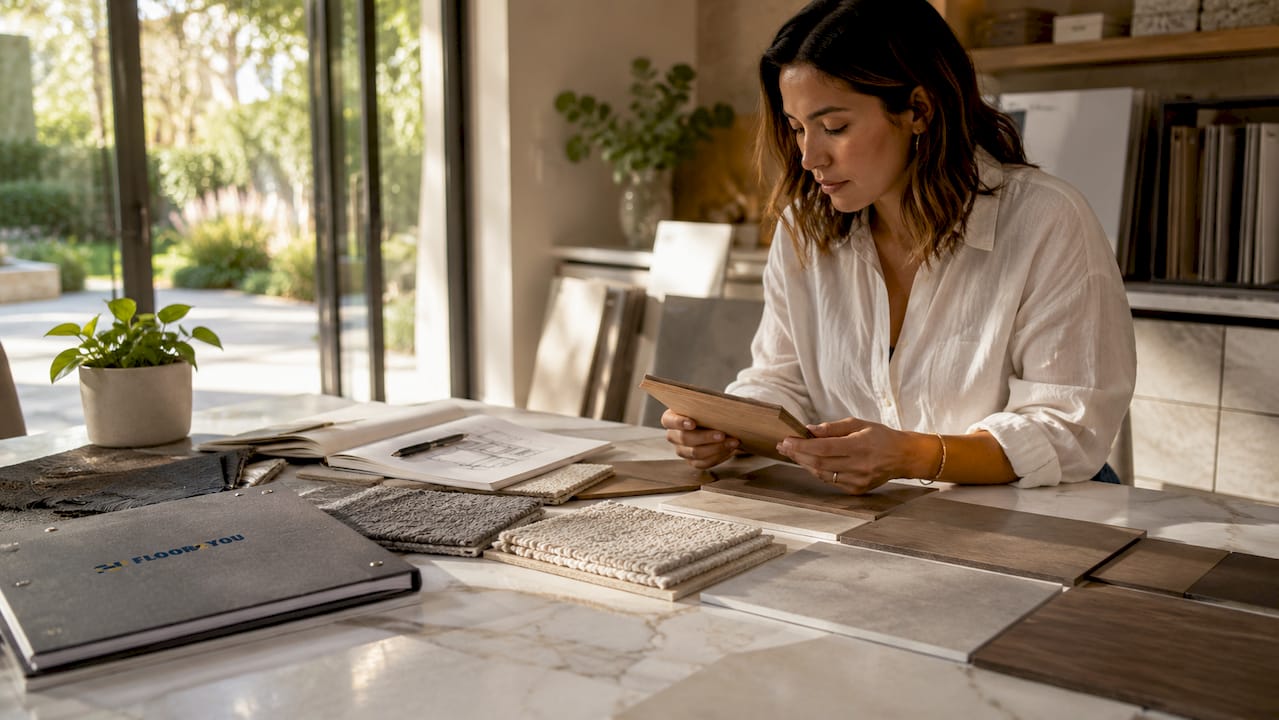
Guest-preferred flooring falls into five core categories: LVP, carpet, porcelain tile, engineered hardwood, and laminate. Each material serves a different zone in a rental property and meets different guest expectations. Hard surfaces dominate high-traffic and wet areas, while soft materials still earn their place in sleeping zones. Understanding where each material performs best is the foundation of any smart flooring plan.
2. Luxury vinyl plank: the leading choice for rental properties
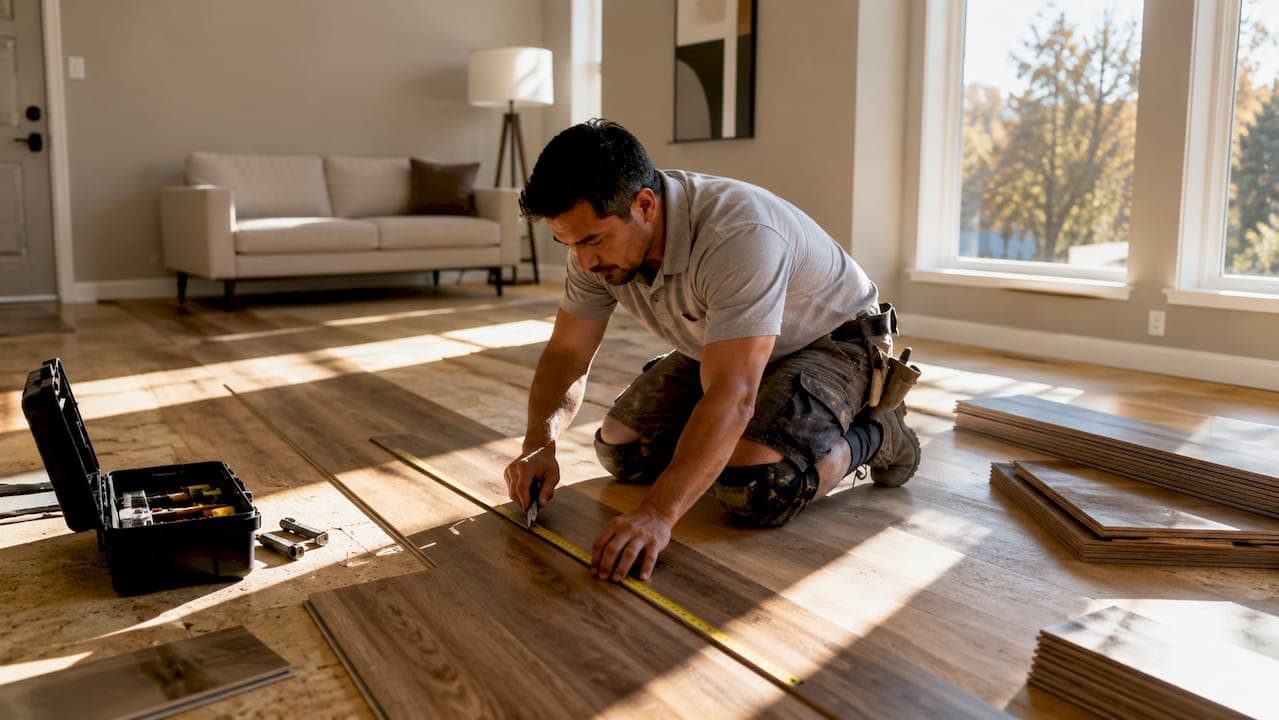
LVP is the fastest-growing guest room flooring material in 2026. Its rise is not accidental. LVP delivers a 10–15 year lifecycle, which outperforms carpet's 7–10 year lifespan in comparable rental conditions. That durability gap translates directly into lower long-term replacement costs for property owners.
LVP is 100% waterproof and scratch resistant, making it ideal for high-traffic rentals where spills and scuffs are routine. It also replicates the look of hardwood and stone convincingly, satisfying guests who expect a polished, modern aesthetic. Hospitality designers recommend warm honey oak or light oak tones in LVP to create a welcoming, photogenic space that drives bookings. A well-lit room with warm-toned LVP photographs better on listing platforms, which directly affects occupancy rates.
Cost is another advantage. LVP runs $3–$6 per square foot, placing it well below premium stone or hardwood at $8–$15 per square foot. That price point makes it the most practical choice for hosts managing multiple units.
Key reasons LVP leads the market:
- Waterproof core handles bathroom and kitchen spills without warping
- Scratch-resistant wear layer survives rolling luggage and pet traffic
- Click-lock or glue-down installation reduces labor time
- Available in wide-plank formats that photograph well for listings
- Compatible with radiant heating systems in cooler climates
Pro Tip: Choose a glue-down or click-lock LVP system with consistent dye lots and order 10% extra material at installation. Replacing damaged planks years later with a mismatched batch is a common and avoidable mistake.
For a deeper look at how LVP performs in South Florida conditions, Floor2you's guide on luxury vinyl flooring covers durability and style in detail.
3. Carpet: still relevant in the right rooms
Carpet is not obsolete. It remains the preferred surface in sleeping areas for one clear reason: comfort. Carpet provides superior sound attenuation and warmth underfoot, qualities that guests notice immediately when they step out of bed. In multi-unit buildings, carpet also reduces noise transfer between floors, which protects guest reviews.
The tradeoff is maintenance. Carpet retains allergens and is harder to deep clean between guest stays, especially in humid climates like South Florida. Its lifecycle in rental use runs 7–10 years, shorter than LVP, and staining from food or beverages can require early replacement. Broadloom carpet and carpet tile are the two most practical formats for rentals. Carpet tile allows spot replacement of damaged sections without pulling up an entire room, which saves money over time.
Placement matters more than the material itself. Carpet belongs in bedrooms and private suites, not in entryways, kitchens, or bathrooms. This targeted approach captures the comfort benefit while limiting the hygiene risk.
Best practices for carpet in rental properties:
- Select stain-resistant, solution-dyed nylon for maximum durability
- Use carpet tile in high-wear zones for easy section replacement
- Schedule professional cleaning between every third or fourth guest stay
- Avoid light colors in properties that allow pets
Pro Tip: Guests associate hard floors with hygiene but still want softness in private sleeping areas. Place a high-quality, easy-to-clean area rug over LVP in bedrooms as a practical middle ground that satisfies both expectations.
4. Porcelain tile and natural stone for wet and public areas
Porcelain tile is the standard choice for bathrooms, entryways, and outdoor-facing areas in rental properties. It resists moisture completely, cleans in seconds, and lasts decades with minimal upkeep. In hospitality settings, porcelain tile handles the highest foot traffic zones without showing wear.
Natural stone options including granite, travertine, and marble add a luxury signal that guests notice and mention in reviews. Marble in a bathroom or travertine in a lobby communicates quality before a guest unpacks. The tradeoff is cost and maintenance. Natural stone requires periodic sealing to prevent staining and moisture absorption. It also costs significantly more, falling in the $8–$15 per square foot range alongside premium hardwood.
Safety is a non-negotiable factor with tile. Non-slip matte finishes and sealed grout lines reduce slip risk in wet areas and simplify cleaning. Polished stone looks stunning but becomes dangerously slick when wet. For rental bathrooms, matte porcelain is the safer and more practical choice.
| Material | Best use zone | Lifecycle | Relative cost |
|---|---|---|---|
| Porcelain tile | Bathrooms, entryways | 20+ years | Moderate |
| Natural stone | Upscale lobbies, bathrooms | 20+ years | High |
| LVP | Living areas, bedrooms | 10–15 years | Low to moderate |
| Carpet | Bedrooms, suites | 7–10 years | Low to moderate |
For property owners weighing tile options, Floor2you's guide on tile for rentals breaks down selection criteria by property type.
5. Engineered hardwood and laminate as stylish alternatives
Engineered hardwood delivers the authentic wood look that guests associate with upscale accommodations. It uses a real wood veneer over a plywood core, which makes it more dimensionally stable than solid hardwood in varying humidity conditions. Upscale short-term rentals and vacation properties use engineered hardwood for its luxury aesthetic, particularly in living rooms and dining areas where guests spend significant time.
The risk is water. Engineered hardwood tolerates moderate humidity but fails quickly when exposed to standing water or persistent moisture. Bathrooms and kitchens are off-limits. Careful placement and prompt spill cleanup are non-negotiable maintenance habits for any host using this material.
Laminate is the budget-conscious alternative. It costs $1–$4 per square foot and mimics wood convincingly in dry areas. However, laminate is less moisture tolerant than LVP and should never be installed near bathrooms or in areas prone to humidity. In South Florida's climate, that limitation rules laminate out of many rooms entirely.
Key considerations for each material:
- Engineered hardwood: best for living rooms and dining areas in upscale rentals
- Engineered hardwood: requires humidity control and prompt spill response
- Laminate: works well in dry bedrooms and low-traffic areas on a tight budget
- Laminate: avoid in any room with moisture exposure or high humidity
- Both materials: refinishing or replacement is more disruptive than LVP plank swaps
6. How to apply a hybrid flooring strategy
A hybrid flooring strategy uses different materials in different zones of a property to meet both guest expectations and operational needs. Combining hard surfaces with soft materials improves guest satisfaction while keeping maintenance manageable and costs predictable.
The standard approach places LVP or porcelain tile in entryways, kitchens, bathrooms, and living areas. These zones see the most foot traffic and the highest risk of moisture. Hard surfaces clean fast and resist damage in these spots. Bedrooms and private suites then get carpet or high-quality area rugs over hard flooring, delivering the warmth and quiet that guests expect in sleeping areas.
Acoustic performance is a real differentiator in multi-unit rentals. Carpet absorbs sound between floors, reducing noise complaints that damage ratings. For hosts in apartment buildings or multi-story properties, the acoustic benefits of soft flooring in bedrooms are worth the added maintenance cost.
- Map each room by traffic level and moisture risk before selecting materials
- Install LVP or tile in all wet and high-traffic zones first
- Use carpet tile in bedrooms for easy spot replacement
- Add area rugs in hard-floor bedrooms to satisfy comfort expectations
- Order matching replacement stock at installation and store it on-site
- Seal all transitions and edges to prevent moisture intrusion at seams
Pro Tip: Improper sealing in moisture-prone areas leads to subfloor rot under LVP, which is far more expensive to fix than the original installation. Always use a flexible, waterproof sealant at all transitions, especially in bathrooms.
Key Takeaways
The most effective flooring strategy for rental properties combines LVP or tile in high-traffic zones with carpet or area rugs in bedrooms to satisfy both hygiene expectations and comfort preferences.
| Point | Details |
|---|---|
| LVP leads in durability | LVP lasts 10–15 years and costs $3–$6 per square foot, outperforming carpet on both measures. |
| Carpet belongs in bedrooms | Carpet reduces noise and adds comfort in sleeping areas but requires more frequent cleaning. |
| Tile dominates wet zones | Porcelain tile with matte finish and sealed grout is the safest and most durable choice for bathrooms. |
| Hybrid strategies win | Mixing hard and soft surfaces by zone maximizes guest satisfaction and lowers long-term maintenance costs. |
| Warm tones drive bookings | Honey oak and light oak LVP tones photograph well and create a welcoming atmosphere guests respond to. |
What I've learned from watching hosts get flooring wrong
Most hosts I've seen make the same mistake: they pick one flooring material for the entire property to save time and money. It almost always backfires. Carpet in the kitchen is a hygiene nightmare. LVP in every bedroom feels cold and impersonal. Guests notice, and reviews reflect it.
The post-2020 shift in guest expectations is real. Hygiene is now a visible signal of quality. Guests walk into a rental and look at the floor before they look at anything else. Hard floors read as clean. But the same guests who want hard floors in the living room want something soft when they step out of bed at 6 AM.
The hosts with the best reviews I've observed use a deliberate zone strategy. LVP or tile where it matters for hygiene and durability. A quality area rug or carpet tile in the bedroom. The flooring budget stays reasonable, the maintenance stays manageable, and the guest experience improves across every stay.
One more thing: installation quality determines whether a good material performs well or fails early. The best LVP installed poorly will buckle, gap, and trap moisture. Working with an experienced local contractor who understands South Florida's humidity conditions is not optional. It is the difference between a floor that lasts 15 years and one that needs replacing in five.
— G
Floor2you: flooring solutions built for rental properties
Property owners and Airbnb hosts in South Florida have a reliable local partner in Floor2you for every flooring upgrade discussed in this guide.
Floor2you installs LVP, porcelain tile, engineered hardwood, laminate, and carpet across residential and rental properties throughout South Florida. Their team manages the full project from material selection through final installation, with fast turnaround times that minimize vacancy between guest stays. Whether you need a single bathroom retiled or a full property flooring overhaul, Floor2you provides transparent quotes and hands-on project management. Visit Floor2you's flooring services to request a quote and see current material options suited for rental properties.
FAQ
What is the best flooring material for Airbnb properties?
LVP is the best overall choice for Airbnb properties because it is waterproof, durable, and easy to clean between guest stays. It lasts 10–15 years and costs $3–$6 per square foot, making it the strongest value in rental flooring.
Is carpet still a good option for guest rooms?
Carpet remains a strong choice specifically for bedrooms, where its sound absorption and softness improve the guest experience. Pair it with a stain-resistant, solution-dyed nylon product and schedule professional cleaning regularly.
How does porcelain tile compare to LVP for rental bathrooms?
Porcelain tile is the preferred choice for rental bathrooms because it is fully waterproof, extremely durable, and simple to sanitize. LVP can work in bathrooms but requires professional sealing at all edges to prevent moisture from reaching the subfloor.
What is a hybrid flooring strategy for rentals?
A hybrid flooring strategy places hard surfaces like LVP or tile in high-traffic and wet areas, then uses carpet or area rugs in bedrooms for comfort and noise reduction. This approach balances hygiene expectations with guest comfort across the full property.
Does flooring choice affect rental property value?
Flooring upgrades directly increase a rental property's appeal and nightly rate potential. Hard-surface flooring like LVP and porcelain tile also upgrades rental property value by reducing long-term maintenance costs and improving guest reviews.