
TL;DR:
- Floating floors sit above the subfloor, expanding and contracting with humidity and temperature changes.
- Luxury vinyl plank is ideal for South Florida due to its waterproof and moisture-resistant properties.
- Proper subfloor moisture barriers and quality underlayment are crucial for durability and long-term performance.
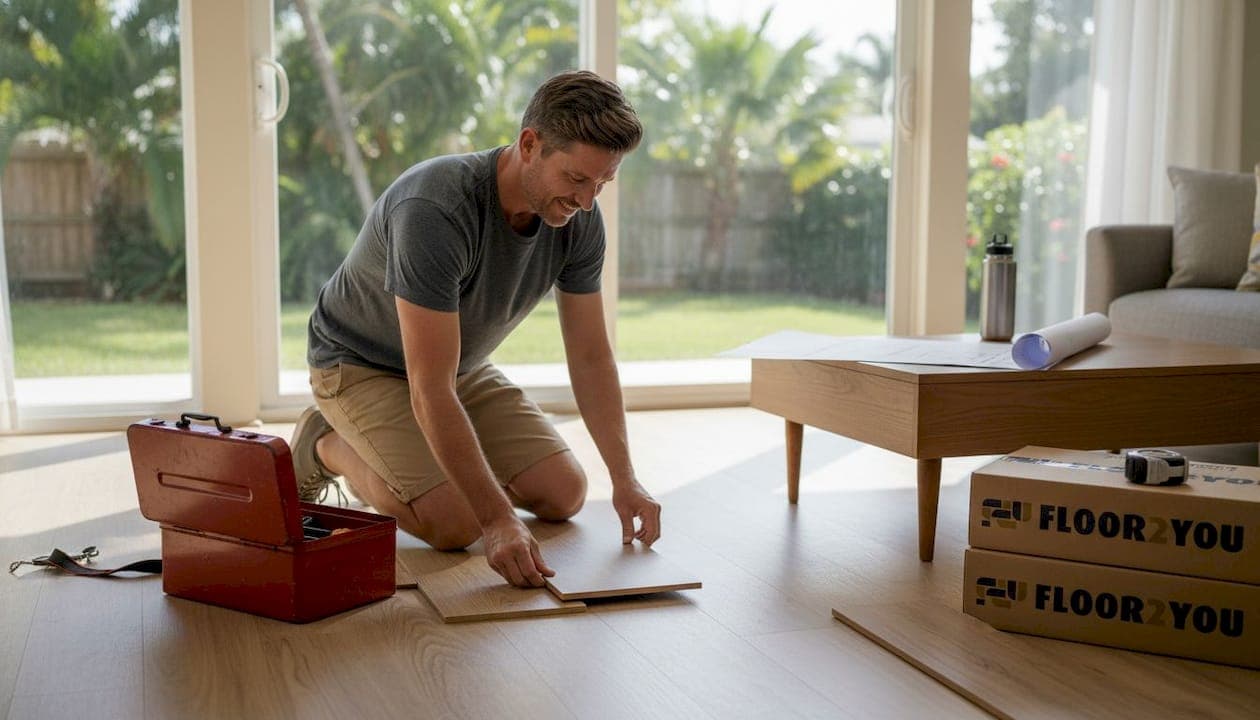
Most homeowners assume quality flooring means permanent installation, either glued down hard or nailed into the subfloor. That assumption costs money. Floating floors work completely differently, and they're one of the smartest choices you can make in South Florida's notoriously humid climate. These floors aren't attached to the subfloor at all. Instead, interlocking panels or planks sit on top of an underlayment layer, expanding and contracting freely with temperature and humidity changes. For homeowners looking to upgrade without a massive renovation bill, floating floors offer real flexibility, lower labor costs, and materials built for the heat and moisture that define life in South Florida.
Table of Contents
- What is a floating floor?
- Popular materials and their suitability for South Florida
- Cost breakdown and installation advantages
- Care, maintenance, and lifespan in humid climates
- Our take: What homeowners overlook about floating floors
- Ready to upgrade? Start your floating floor project
- Frequently asked questions
Key Takeaways
| Point | Details |
|---|---|
| Quick DIY installation | Floating floors let homeowners install new surfaces themselves without glue or nails. |
| Best for humid climates | Luxury vinyl plank is ideal for South Florida moisture, while laminate needs extra care. |
| Substantial cost savings | DIY installation can reduce overall flooring costs by $2–5 per square foot. |
| Easy maintenance | Most floating floors require only simple cleaning and periodic checks for shifting. |
What is a floating floor?
A floating floor is exactly what it sounds like: a floor that "floats" above your subfloor without being glued or nailed in place. Instead of fastening each plank directly to the subfloor, the planks or panels lock together using a tongue-and-groove or click-lock system. The whole assembled surface rests on top of a thin layer called underlayment, which cushions the floor, reduces noise, and acts as a moisture barrier.
This installation method is fundamentally different from traditional nailed hardwood or glued-down tile. With traditional methods, every board is permanently fixed. With a floating floor, the entire surface moves together as one unit, which actually helps it handle the expansion and contraction caused by South Florida's heat and humidity.
The most common materials you'll find in floating floor systems include:
- Laminate: Affordable and wood-like in appearance, made from compressed wood fibers with a photographic layer on top
- Engineered wood: Real wood on the surface, bonded to multiple core layers for added stability
- Luxury vinyl plank (LVP): 100% synthetic, waterproof, and built to mimic hardwood or stone
- Cork and rubber: Less common but effective for specialty spaces like gyms or playrooms
One of the biggest practical advantages is that floating floors can go directly over most existing flooring surfaces, including tile, concrete, or old hardwood, as long as the surface is reasonably flat and clean. That means you can skip the costly demolition step.
"Floating floors are praised for speed and cost, making them ideal for DIY installations that significantly reduce overall labor expenses."
With the basics introduced, let's look at which materials hold up best in South Florida's specific conditions.
Popular materials and their suitability for South Florida
Not every floating floor material is created equal, and South Florida's humidity makes material selection critical. Choosing the wrong product can lead to swollen edges, warped planks, and floors that need replacing far sooner than expected.
Here's how the three main options stack up:
| Material | Cost per sq ft | Moisture resistance | Best use in South Florida |
|---|---|---|---|
| Laminate | $2 to $5 | Low | Bedrooms, low-traffic dry areas |
| Engineered wood | $4 to $9 | Moderate | Living areas with climate control |
| Luxury vinyl plank | $2 to $7 | High (waterproof) | Kitchens, baths, entire home |
According to flooring cost research, materials range from $2 to $14 per square foot, and LVP consistently offers the best long-term value in humid regions. It's the one material that won't buckle when moisture sneaks in from a leak, spill, or simply from the air.
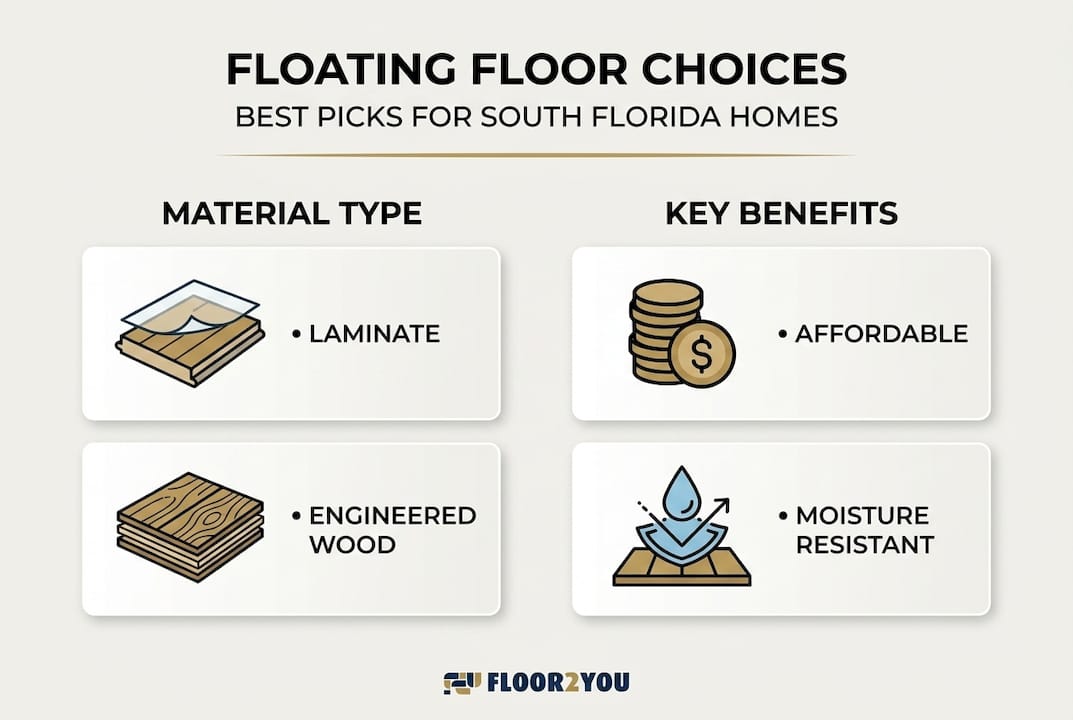
Laminate is tempting because it looks great and costs less upfront. But moisture ingress can swell laminate planks and destroy the locking joints over time. In South Florida, that's not an occasional risk; it's a near certainty without serious precautions.
Engineered wood sits in the middle ground. It handles humidity better than solid hardwood and gives you a real wood surface. But it's not fully waterproof, so it works best in rooms that stay climate-controlled. For a deeper look at how installation affects engineered and hardwood options, hardwood flooring installation guides can give you useful context.
LVP is the standout winner for most South Florida homes. It's fully waterproof, comfortable underfoot, and available in styles that realistically mimic wood or tile. If you're outfitting a rental property or an Airbnb, it's the no-brainer choice. You can also stay ahead of design with modern flooring trends to ensure your LVP selection looks current.
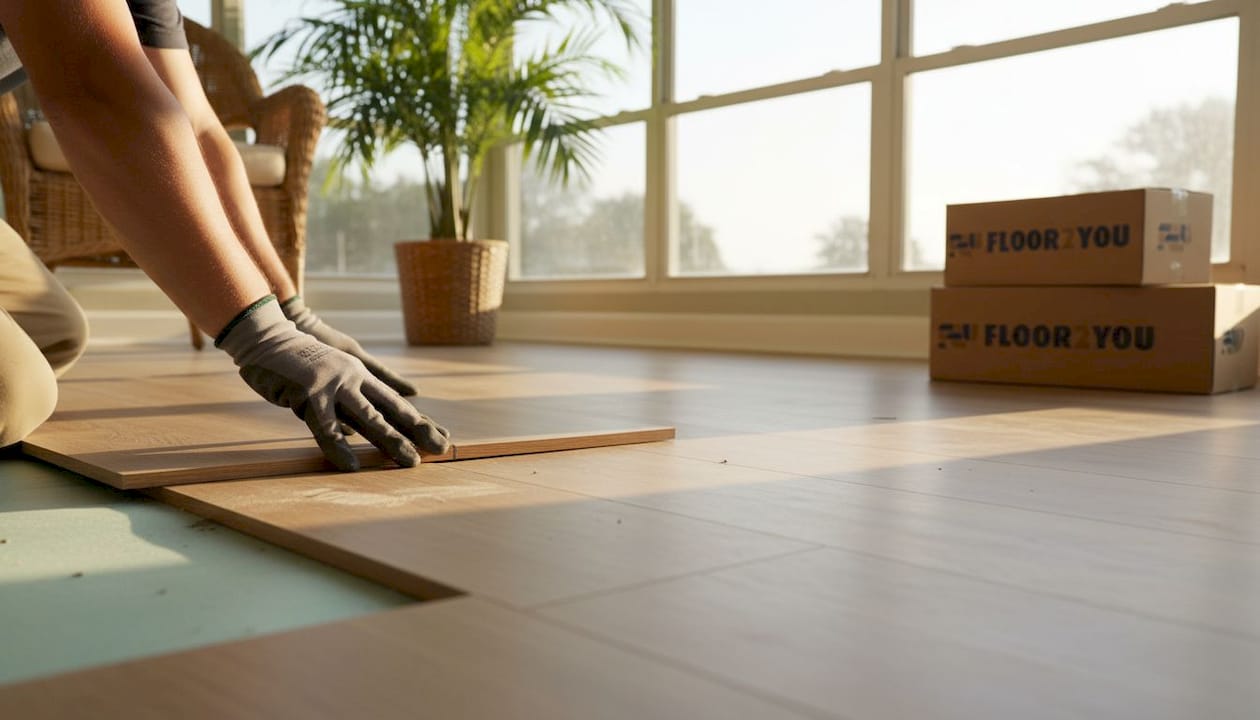
Pro Tip: No matter which floating floor material you choose, always install a quality moisture barrier underlayment beneath it. This single step protects your investment and reduces the hollow sound floating floors can sometimes produce. Learn more about choosing the right option in our flooring underlayment tips guide.
Now that you know which materials fit South Florida's climate, let's explore the cost factors and potential savings.
Cost breakdown and installation advantages
Floating floors give you something rare in home renovation: a chance to save real money without sacrificing quality. The savings come from two places, lower material costs and dramatically reduced labor.
Here's a realistic cost breakdown:
| Cost component | Typical range |
|---|---|
| Materials (LVP) | $2 to $7 per sq ft |
| Professional installation | $2 to $5 per sq ft |
| DIY installation labor | $0 |
| Total (professional) | $4 to $22 per sq ft |
| Total (DIY) | $2 to $7 per sq ft |
The total installed cost runs $4 to $22 per square foot, but going the DIY route saves you $2 to $5 per square foot in labor compared to glue-down or nailed installations. On a 500 square foot space, that's up to $2,500 in your pocket.
Floating floors are the most DIY-friendly option on the market. Here's a simplified overview of how the process works:
- Measure and plan: Calculate square footage and add 10% for cuts and waste
- Prep the subfloor: Clean, level, and repair any dips or high spots
- Install the underlayment: Roll it out and tape seams, starting from one corner
- Lay the first row: Begin along the longest straight wall, leaving a small expansion gap at edges
- Click and lock rows together: Angle and snap each plank into the previous row
- Install trim and transitions: Cover expansion gaps with baseboards or molding
- Final inspection: Check for gaps, raised edges, or uneven sections
If you're comparing your options before committing, reviewing vinyl flooring options can help you narrow down which product fits your budget and space best.
Pro Tip: Subfloor preparation is where most DIY floating floor projects go wrong. Even a slight dip or bump transfers through the underlayment and causes planks to creak, rock, or separate at the joints over time. Level anything more than 3/16 of an inch over a 10-foot span before you begin. If you'd rather leave the prep and installation to professionals, learning how to find the right contractor through our stress-free flooring renovations guide saves you headaches later.
Once costs and savings are understood, the realities of daily use and care are essential for making an informed decision.
Care, maintenance, and lifespan in humid climates
One of the best things about floating floors is how easy they are to maintain. There are no special oils, waxes, or refinishing cycles required. For most floating floor materials, a dry or damp mop and a pH-neutral cleaner are all you need to keep things looking sharp.
That said, there are habits that protect your floor and habits that quietly destroy it. Here's what matters:
Do these things:
- Sweep or vacuum daily in high-traffic areas to prevent scratches from grit and debris
- Use a slightly damp mop, never soaking wet, for deeper cleaning
- Place felt pads under furniture legs to prevent surface scratches
- Use area rugs in entryways to reduce tracked-in dirt and moisture
- Keep indoor humidity between 35% and 65% to minimize expansion and contraction
Avoid these mistakes:
- Flooding the floor with water during cleaning (especially with laminate)
- Using steam mops, which force moisture into the joints
- Dragging heavy furniture across the surface
- Ignoring standing water from leaks or spills
For South Florida homes specifically, LVP stands apart from all other floating floor materials. It handles moisture, heavy foot traffic, and even the occasional tracked-in water from a rainstorm without flinching. Other materials simply don't have that same resilience.
"Floating floors can last 10 to 30 years, with luxury vinyl tile offering some of the best return on investment, particularly in short-term rental properties."
One limitation worth knowing: floating floors cannot be sanded and refinished the way nailed solid hardwood can. If the surface layer wears through, replacement is the only fix. That's why choosing a thicker wear layer (12 mil or more for LVP) pays off over time.
For a broader look at how different flooring types perform locally, best South Florida flooring covers the full picture. And if you want a side-by-side comparison with other options in our climate, vinyl flooring advantages breaks down exactly why LVP dominates in this region. For homeowners weighing DIY against hiring help, professional flooring benefits offers a candid look at where professional installation adds real value.
Our take: What homeowners overlook about floating floors
Here's something most flooring guides won't tell you: the biggest mistakes we see from South Florida homeowners aren't about choosing the wrong plank color. They're about underestimating the environment beneath the floor.
Everyone focuses on the surface. Price per square foot, plank width, color tone. Very few people ask about what's going underneath. In South Florida, that question matters more than anywhere else in the country. Our humidity doesn't just affect the air; it works its way through concrete slabs, especially in ground-level and below-grade installations.
We've seen beautiful, expensive LVP installations fail in six months because the installer skipped a proper moisture barrier. We've also seen budget laminate last years longer than expected simply because the homeowner invested in quality underlayment. The underlayment is not the flashy purchase. You won't photograph it for Instagram. But it is the single biggest factor in how long your floating floor actually lasts in South Florida conditions.
The other thing most guides skip is long-term comfort. A floating floor over a thin, cheap underlayment feels hard and sounds hollow underfoot. A floating floor over a dense, quality underlayment feels close to a nailed-down floor in comfort. That difference matters every day you live in the home. Prioritize best South Florida flooring products designed for our climate, and treat the underlayment as a non-negotiable part of the budget.
Ready to upgrade? Start your floating floor project
Floating floors make sense for South Florida homes, and the decision gets easier once you've matched the right material to your space and budget. Whether you're renovating your primary residence, refreshing a rental, or preparing an Airbnb for guests, the right floating floor installation transforms a room fast and at a fraction of the cost of traditional methods.
At Floor2You, we know South Florida's climate inside and out. Our team helps homeowners select the right materials, handles proper moisture barrier installation, and completes projects with the craftsmanship and speed this market demands. Explore your options and get a quote for your floating floor solutions today. We make the process simple from the first call to the final plank.
Frequently asked questions
Can floating floors be installed over existing tile?
Yes, most floating floor systems can go directly over tile as long as the surface is even and clean. Because planks interlock and float above the subfloor, there's no need to remove existing tile in most cases.
What are the downsides of floating floor installations?
Floating floors may develop hollow sounds, slight shifting, or swollen edges in high-moisture environments if the wrong material is used. Moisture ingress swells laminate planks quickly, which is why LVP is the smarter choice for South Florida.
Are floating floors suitable for long-term homes?
Luxury vinyl plank floating floors can last 10 to 30 years with proper care and offer strong long-term ROI, while laminate works better in lower-traffic or shorter-term situations.
How much can I save by installing a floating floor myself?
You can typically save $2 to $5 per square foot in labor costs versus glue-down or nailed flooring, since floating floors require no adhesive and minimal specialized tools.