
TL;DR:
- The best flooring for high traffic combines durability, a thick wear layer, and resistance to wear and moisture. Porcelain tile lasts over 50 years, while SPC core luxury vinyl plank offers cost-effective durability with a 20 mil wear layer. Proper installation and protective measures like area rugs extend the lifespan of any high-traffic flooring.
The best flooring for high traffic combines a high wear resistance rating, a durable surface layer, and a material suited to the specific demands of each room. In the flooring industry, this category is formally called "high-traffic wear-resistant flooring," and the two most important specs are wear layer thickness and hardness rating. Luxury vinyl plank (LVP), porcelain tile, engineered hardwood, laminate, and polished concrete are the five materials that consistently outperform others in busy homes and rental properties. Floor2you installs all five across South Florida, and the right choice depends on your room, your budget, and how much maintenance you are willing to do.
1. What is the best flooring for high-traffic areas?
Luxury vinyl plank is the top-rated wear-resistant flooring for most residential high-traffic situations. It balances durability, water resistance, comfort underfoot, and cost in a way no other material currently matches. Porcelain tile is the most durable option overall, but it costs more to install and is harder underfoot. Engineered hardwood and laminate fill the middle ground for homeowners who want a wood look with better performance than solid hardwood.
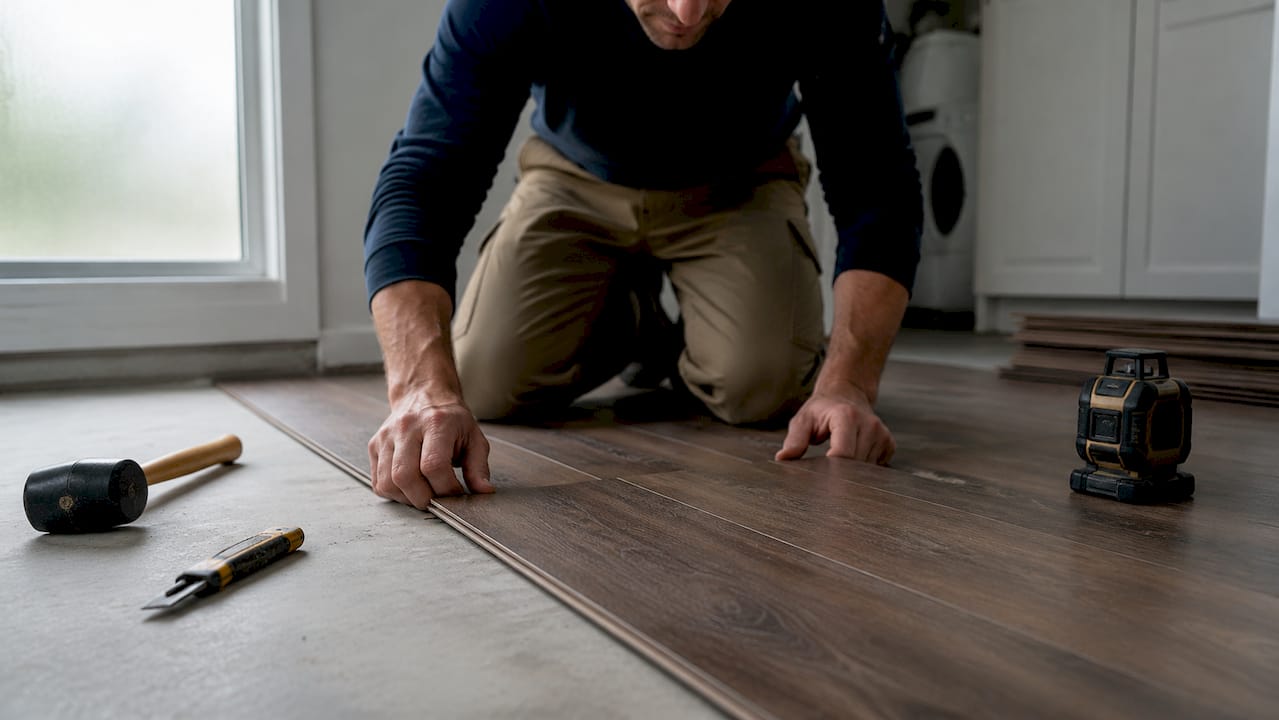
The key specs to know before buying any floor are wear layer thickness for vinyl products and Janka hardness for wood products. LVT requires a minimum 20 mil wear layer for high-traffic use, with a lifespan of 15–25 years under heavy foot traffic. That single number tells you more about a vinyl floor's longevity than any marketing claim on the box.
2. Luxury vinyl plank (LVP)
LVP is the most practical durable flooring option for busy homes, rental properties, and Airbnb units. It is 100% waterproof, resists scratches and dents, and installs over most existing subfloors without adhesive. The price point is significantly lower than tile or hardwood, making it the go-to choice for property managers who need to replace floors across multiple units.
The core material matters as much as the wear layer. SPC core vinyl is denser and more dent-resistant than WPC, making it the better pick for heavy foot traffic and homes with pets. WPC is softer and quieter underfoot but compresses more easily under furniture and pet claws. For high-traffic residential use, always specify SPC core with a 20 mil or thicker wear layer.
Pro Tip: When buying LVP for a rental property, choose a product with a 20 mil wear layer minimum and a matte finish. Matte surfaces hide scuffs far better than high-gloss options between tenant turnovers.
3. Porcelain tile
Porcelain tile is the most durable flooring for heavy foot traffic when lifespan is the primary concern. Porcelain rated PEI 4 or 5 lasts over 50 years and handles wet zones, heavy loads, and constant use without degrading. The tradeoff is installation cost, which runs roughly 40% higher than LVT, and a harder surface that is less forgiving on joints during long standing periods.
PEI (Porcelain Enamel Institute) rating is the standard scale for tile surface hardness. PEI 4 covers most residential high-traffic areas including kitchens, entryways, and hallways. PEI 5 is the commercial grade, suited for spaces with very heavy or abrasive traffic. For wet areas, also check the DCOF (Dynamic Coefficient of Friction) rating. Slip resistance requires a DCOF of 0.42 or higher for safe use in wet, high-traffic zones. Floor2you covers the real role of tile in high-traffic areas in detail if you want to go deeper on specs.
4. Engineered hardwood
Engineered hardwood delivers the warmth and visual appeal of real wood with better dimensional stability than solid hardwood. It handles humidity fluctuations better, which matters in South Florida's climate. The wear layer on engineered hardwood is a thin veneer of real wood bonded over a plywood core, and its thickness determines how many times the floor can be refinished.
Wood species selection also matters for floors that withstand foot traffic. Woods scoring above 1,300 on the Janka hardness scale, such as hickory, maple, and white oak, handle daily wear well. Species below 1,000 on the Janka scale show visible wear within 3–5 years in busy areas. The hardwood flooring advantages for South Florida homes guide breaks down which species perform best in the region's heat and humidity.
Finish quality also plays a major role. Modern low-sheen finish systems make hardwood viable for residential high-traffic areas when applied correctly. A poor finish on a hard species will fail faster than a quality finish on a softer one.
5. Laminate flooring
Laminate is the most affordable option among floors that withstand foot traffic, and modern products have closed the quality gap with more expensive materials. The surface layer is a photographic image protected by a clear aluminum oxide coating, which gives laminate its scratch resistance. AC (Abrasion Class) ratings from AC3 to AC5 indicate suitability for residential to heavy commercial use.
The main limitation of laminate is moisture. Traditional laminate swells and warps when water penetrates the seams, making it a poor choice for kitchens, bathrooms, or entryways without a waterproof core. Newer waterproof laminate products address this, but they cost more and narrow the price advantage over LVP. For dry, high-traffic areas like living rooms and hallways, AC4 or AC5 laminate is a cost-effective, durable choice.
6. Polished concrete
Polished concrete is the most permanent flooring option available, and it requires almost no replacement over the life of a building. It handles extreme foot traffic, heavy loads, and spills without degrading. The tradeoff is comfort and acoustics. Polished concrete is noisy and hard underfoot, which makes LVP a better choice for offices and living spaces where people stand or walk for long periods.
For residential use, polished concrete works well in garages, covered patios, and open-plan living areas where area rugs can soften the surface. It is not a practical choice for bedrooms or spaces where comfort is a priority.
7. Comparing high-traffic flooring materials
The table below compares the five main high-traffic floor materials across the factors that matter most to homeowners and property managers.
| Material | Wear resistance | Lifespan | Maintenance | Cost vs. LVT | Best for |
|---|---|---|---|---|---|
| LVP (SPC core) | Very high | 15–25 years | Low | Baseline | Rentals, pets, whole-home |
| Porcelain tile | Highest | 50+ years | Low | ~40% higher | Kitchens, baths, entryways |
| Engineered hardwood | High (species-dependent) | 25–40 years | Medium | Moderate premium | Living rooms, bedrooms |
| Laminate (AC4/AC5) | High | 15–25 years | Low | Lower | Dry living areas, hallways |
| Polished concrete | Extreme | Lifetime | Very low | Varies widely | Garages, open-plan spaces |
Finish type affects how wear shows over time, not just how long the floor lasts. Matte and distressed finishes hide scratches and scuffs far better than high-gloss surfaces in high-traffic flooring. A glossy porcelain tile in a busy entryway will show every scuff and heel mark within weeks. The same tile in a matte finish looks clean far longer between mopping sessions.
Daily sweeping and regular maintenance are the single most effective way to preserve finish integrity across all flooring materials. Grit and sand act like sandpaper underfoot, degrading surface coatings faster than foot traffic alone.
Pro Tip: Place walk-off mats at every exterior entry point. They capture the grit and moisture that cause the most wear on any floor type, and they cost far less than refinishing or replacing a floor.
8. Choosing the right floor for each room
No single flooring material fits every room in a busy home. The right choice depends on moisture exposure, foot traffic volume, pet activity, and comfort requirements. Mixing hard floors in active zones with softer surfaces in rest areas optimizes both durability and comfort, especially in homes with pets.
Room-by-room guidance:
- Kitchens and bathrooms: Use waterproof LVP or porcelain tile rated PEI 4 or higher. Check waterproof flooring options for detailed specs on both materials.
- Entryways and mudrooms: Porcelain tile with a DCOF of 0.42 or higher is the safest and most durable choice. It handles grit, moisture, and heavy traffic without showing wear.
- Living rooms and hallways: LVP with SPC core or engineered hardwood with a Janka rating above 1,300 both perform well. Choose based on your budget and aesthetic preference.
- Bedrooms: Comfort matters more here. Engineered hardwood, laminate, or even carpet in lower-traffic bedrooms are all reasonable choices.
- Pet-heavy zones: Pet damage comes from mechanical stress when animals scramble for traction, not just scratching. SPC core LVP resists this better than any other material. Place area rugs at pet resting spots and feeding areas to reduce wear on the underlying floor.
- Rental properties and Airbnb units: LVP with a 20 mil wear layer is the most cost-effective choice. It is durable, easy to clean, and simple to replace section by section if damaged.
For noise management in multi-story homes, acoustic flooring underlayment reduces impact sound transmission significantly when installed under LVP or laminate.
Key takeaways
The most durable flooring for high-traffic areas is porcelain tile for longevity, but LVP with an SPC core and a 20 mil wear layer delivers the best balance of durability, cost, and practicality for most homeowners and property managers.
| Point | Details |
|---|---|
| Wear layer is the key LVP spec | Choose SPC core LVP with a 20 mil minimum wear layer for high-traffic residential use. |
| Porcelain tile lasts longest | PEI 4 or 5 porcelain lasts 50+ years but costs about 40% more to install than LVP. |
| Janka hardness guides wood selection | Choose wood species above 1,300 on the Janka scale to avoid visible wear within a few years. |
| Finish type affects visible wear | Matte and distressed finishes hide scratches far better than gloss surfaces in busy areas. |
| Maintenance extends any floor's life | Daily sweeping removes grit that degrades surface coatings faster than foot traffic alone. |
What I've learned about flooring that actually holds up
Most homeowners focus on the floor material and forget about the finish and the installation. I have seen beautiful hardwood floors fail in three years because the finish was cheap, and I have seen budget LVP look great after a decade because it was installed correctly with the right underlayment and transitions.
The detail most people overlook is the wear layer spec on vinyl products. Retail packaging often highlights design features and warranties, but the wear layer thickness is buried in the fine print. A 6 mil wear layer will not survive a busy household with pets and kids for more than a few years. A 20 mil or thicker wear layer changes the equation entirely.
I also think area rugs are underrated as a flooring protection strategy. Placing rugs at entry points, in front of the kitchen sink, and at pet resting spots costs almost nothing compared to refinishing or replacing a floor. The most durable flooring guide from Quality Hardwoods of Michigan makes a similar point: the floor you protect lasts longer than the floor you replace.
The last thing I would tell any homeowner or property manager is this: professional installation matters as much as material selection. A premium floor installed poorly will fail at the seams, edges, and transitions first. Get the installation right, and almost any of the materials on this list will serve you well for decades.
— G
Floor2you can help you find the right fit
Choosing between LVP, porcelain, engineered hardwood, and laminate is easier when you have a flooring professional walking through the options with you. Floor2you works with homeowners and property managers across South Florida to match the right material to each room's specific demands.
The team at Floor2you handles everything from material selection to professional installation, with a focus on getting the specs right the first time. Whether you are upgrading a single room or replacing floors across an entire rental property, you can get a quote and expert guidance directly from the Floor2you team. The right floor, installed correctly, is the one you will not have to think about for the next 20 years.
FAQ
What is the most durable flooring for heavy foot traffic?
Porcelain tile rated PEI 4 or 5 is the most durable option, with a lifespan exceeding 50 years. For a balance of durability and cost, SPC core LVP with a 20 mil wear layer is the top choice for most homes.
Is LVP or laminate better for high-traffic areas?
LVP with an SPC core outperforms laminate in high-traffic areas because it is fully waterproof and more dent-resistant. Laminate is a strong option for dry areas but swells when moisture penetrates the seams.
What flooring holds up best with pets?
SPC core LVP is the best flooring for pets because it resists the mechanical stress caused when animals scramble for traction. Placing area rugs at pet resting spots further extends the floor's lifespan.
How thick should a wear layer be for high-traffic residential use?
A minimum 20 mil wear layer is the industry standard for high-traffic residential LVP. Specialized products range from 28 to 40 mil for even heavier use.
Does hardwood work in high-traffic areas?
Hardwood works in high-traffic areas when you choose a species above 1,300 on the Janka hardness scale and apply a quality low-sheen finish. Species below 1,000 on the Janka scale show visible wear within 3–5 years in busy spaces.