
TL;DR:
- Luxury vinyl plank with SPC core and porcelain tile are the most suitable flooring options for Florida's humid climate due to their full waterproofing and stability. Engineered hardwood and laminate are risky unless indoor humidity is consistently controlled, and solid hardwood is generally unsuitable because of moisture issues. Proper installation, including vapor barriers and humidity management, is essential to ensure long-lasting performance in coastal environments.
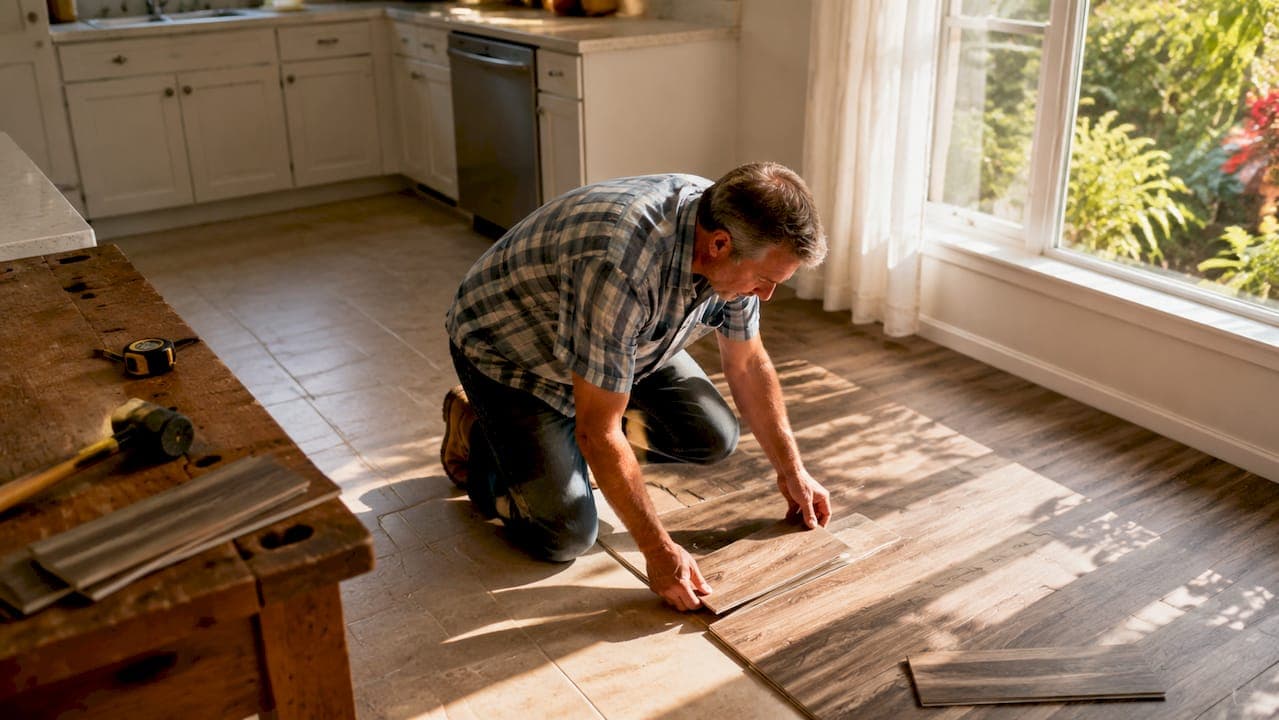
Luxury vinyl plank and porcelain tile are the best flooring for Florida humidity because both are fully waterproof, dimensionally stable, and built to handle the coastal moisture levels that destroy traditional wood and laminate floors. Florida's average indoor humidity regularly exceeds 60%, and solid hardwood can fail within 8–15 years even when properly installed. Laminate with wood-fiber cores swells at the seams and buckles within months in poorly ventilated rooms. The right material choice is not just about aesthetics. It is about picking a floor that will still look good in 20 years without warping, mold, or costly replacement.
What makes flooring suitable for florida's humid climate?
Humidity-resistant flooring in South Florida must do two things: block moisture from penetrating the material and remain dimensionally stable when temperature and humidity swing between seasons. Those are two separate requirements, and most flooring fails at least one of them.
The first distinction every Florida homeowner needs to understand is waterproof vs. water-resistant. Water-resistant flooring slows moisture absorption. Waterproof flooring stops it entirely. Only waterproof options like porcelain tile and SPC vinyl can withstand prolonged exposure to moisture without structural damage. In a state where a bathroom leak, a hurricane, or a broken AC unit can flood a room overnight, "water-resistant" is not good enough.
Florida homes built on concrete slab foundations face a specific challenge. Concrete slabs release moisture vapor upward continuously, especially in older construction. Without a vapor barrier beneath the flooring, even a waterproof surface layer can trap moisture underneath and create mold. Your HVAC system also plays a direct role. Keeping indoor humidity consistently between 35% and 55% extends the life of every flooring type, including materials that are otherwise moisture-tolerant.
Pro Tip: Set your thermostat to "auto" rather than "on" so the fan only runs when the AC is actively cooling and dehumidifying. Running the fan continuously on "on" recirculates humid air without removing moisture.
1. luxury vinyl plank (LVP) with SPC core
Luxury vinyl plank with a stone polymer composite (SPC) core is the top overall choice for Florida homes. SPC uses a limestone-based core to prevent expansion and moisture damage, making it virtually indestructible in humid conditions. Unlike older vinyl products, SPC-core LVP does not flex or warp when exposed to standing water or high ambient humidity.
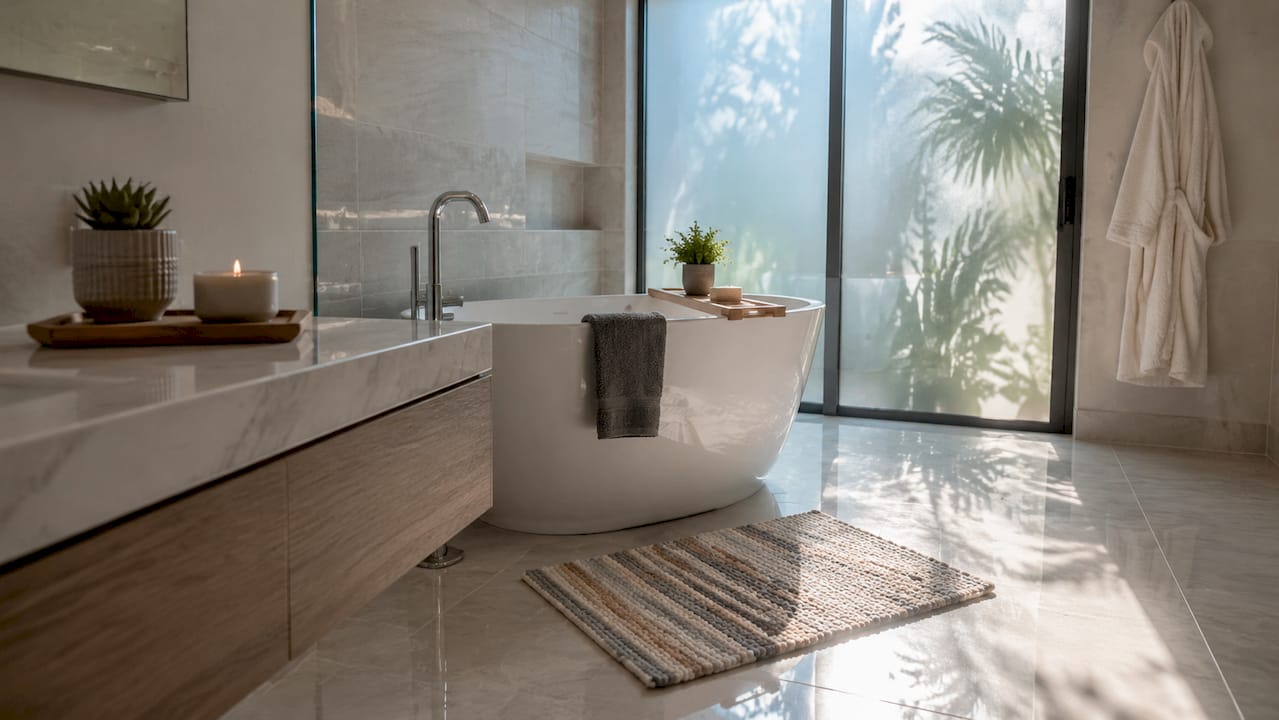
LVP installs as a floating floor, which means it does not require adhesive bonding to the subfloor. This makes it easier to replace individual planks if damage occurs. It is also warmer underfoot than tile, which matters in bedrooms and living rooms. For a deeper look at SPC flooring specifics, the construction details explain why it outperforms standard vinyl in coastal climates.
Cost typically runs $3–$8 per square foot for materials, with installation adding $2–$4 per square foot. That price point makes it competitive with engineered hardwood while offering far superior moisture protection.
2. porcelain tile
Porcelain tile is the only flooring material that is genuinely 100% waterproof at the material level. It is fired at higher temperatures than ceramic tile, which makes it denser and far less porous. Chips are also less visible because the color runs through the entire tile body, not just a surface glaze.
For bathrooms, kitchens, laundry rooms, and entryways, porcelain is the gold standard. It handles standing water, cleaning chemicals, and Florida's salt air without degrading. The main drawback is comfort: porcelain is hard and cold underfoot, which makes it less appealing in bedrooms. Slip resistance is also a real consideration in wet areas, so look for tiles with a coefficient of friction rating of 0.60 or higher for wet surfaces.
Large-format porcelain tiles (24x24 inches or larger) are trending in 2026 because they reduce grout lines, which means fewer places for moisture and mold to collect. That is a practical advantage, not just an aesthetic one.
3. engineered hardwood
Engineered hardwood uses a real wood veneer over multiple layers of cross-grain plywood. That layered construction makes it more dimensionally stable than solid wood, but it is not waterproof. Engineered hardwood performs well in Florida only when indoor humidity is consistently controlled between 35% and 55%.
The critical failure point is vacation periods. Florida homeowners who raise the thermostat to 85°F while traveling create humidity spikes that cause engineered hardwood to fail prematurely. If you own a vacation property or a rental where HVAC control is inconsistent, engineered hardwood is a poor choice regardless of its quality. Stick to climate-controlled primary residences only.
For those who want the warmth and look of wood in a living room or bedroom with reliable AC, engineered hardwood is a practical option. The engineered wood flooring guide from Floor2you covers the specific installation requirements for South Florida slabs.
4. standard laminate flooring
Standard laminate is not recommended for Florida. Laminate with wood-fiber cores absorbs moisture easily and swells at seams, often within the first year in humid zones. Even waterproof laminate variants only resist water for 30–72 hours before the core begins to absorb moisture through edges and seams.
The appeal of laminate is its low upfront cost, typically $1–$3 per square foot for materials. That savings disappears quickly when you factor in replacement costs after moisture damage. In Florida, laminate is a false economy. If budget is the primary concern, SPC-core LVP delivers better moisture protection at a comparable price point.
5. solid hardwood
Solid hardwood is the worst choice for most Florida homes. It absorbs and releases moisture with every humidity change, causing it to expand, contract, cup, and warp. Solid hardwood can fail within 8–15 years in Florida even with proper installation and climate control. In coastal areas with salt air and higher ambient humidity, failure can come much sooner.
The only scenario where solid hardwood makes sense in Florida is in a fully climate-controlled interior space with a dedicated dehumidifier and no slab moisture issues. That is a narrow set of conditions that most Florida homes do not meet consistently.
6. polished concrete
Polished concrete is an underrated option for Florida homes, particularly in open-plan living areas and garages. Concrete slabs are already present in most Florida construction, so polishing and sealing the existing slab eliminates the need for a separate flooring layer entirely. A properly sealed concrete floor resists moisture, mold, and salt air without any of the failure modes associated with wood-based products.
The downsides are comfort and acoustics. Concrete is hard, cold, and loud. Area rugs and radiant heating can address both issues, but they add cost. Polished concrete also requires periodic resealing every 3–5 years to maintain its moisture barrier.
7. outdoor-rated porcelain pavers
For patios, pool decks, and covered outdoor areas, outdoor-rated porcelain pavers are the top choice in Florida's coastal climate. Standard outdoor materials like wood decking and natural stone absorb salt air and moisture, leading to rapid deterioration. Porcelain pavers are frost-proof, salt-resistant, and rated for direct UV exposure without fading or cracking.
They also pair well with interior porcelain tile, creating a visual flow from inside to outside that is popular in South Florida design. Installation requires a proper drainage slope and a mortar bed rather than a floating system, so professional installation is strongly recommended.
How to select and install humidity-resistant flooring
Choosing the right material is only half the job. Installation quality determines whether that material actually performs as expected in Florida's conditions. Follow this checklist before any flooring goes down:
- Test subfloor moisture. Use a calibrated moisture meter on the concrete slab. Subfloor moisture testing detects vapor before installation and prevents mold or mildew from forming beneath the floor.
- Install a vapor barrier. Dimpled plastic mats or coatings under the flooring block moisture vapor migration. This step is critical even under waterproof LVP because moisture can still accumulate in the space between the slab and the floor.
- Acclimate the flooring material. Let planks or tiles sit in the installation space for 48–72 hours before installation. This allows the material to adjust to the room's temperature and humidity before it is locked in place.
- Use appropriate adhesives and underlayment. Moisture-resistant underlayment adds a secondary barrier and improves sound insulation. Avoid foam underlayments that trap moisture.
- Plan transitions between wet and dry rooms. Use T-molding or threshold strips at doorways between tile and LVP to allow for independent expansion and contraction.
- Set HVAC before and after installation. Keep the home at normal operating temperature during and after installation. Significant humidity changes in the first 30 days can affect how the floor settles.
Pro Tip: Ask your installer to leave 5–10% extra material from your flooring order. Florida's humidity means occasional plank replacement is likely over a 10-year period, and matching discontinued products years later is difficult.
Room-by-room flooring recommendations for florida homes
The smart-money approach for Florida homeowners is to use different materials in different rooms based on moisture exposure, not to install one material throughout the entire home. This strategy balances cost, performance, and comfort more effectively than any single-material solution.
| Room | Best Material | Runner-Up | Avoid |
|---|---|---|---|
| Bathroom | Porcelain tile | SPC LVP | Laminate, solid hardwood |
| Kitchen | Porcelain tile | SPC LVP | Engineered hardwood |
| Living room | SPC LVP | Engineered hardwood* | Solid hardwood |
| Bedroom | SPC LVP | Engineered hardwood* | Carpet, laminate |
| Laundry room | Porcelain tile | SPC LVP | Any wood-based product |
| Outdoor patio | Porcelain pavers | Sealed concrete | Wood decking, natural stone |
*Engineered hardwood only in climate-controlled spaces with consistent HVAC management.
For long-term maintenance, keep these practices in place regardless of material:
- Clean spills immediately, even on waterproof surfaces, to prevent grout or seam penetration.
- Run the AC year-round, not just during summer. Winter humidity in South Florida still exceeds safe thresholds for wood-based products.
- Inspect grout lines annually and reseal as needed to prevent moisture infiltration beneath tile.
- Use furniture pads to prevent scratching LVP and tile surfaces, which can compromise surface coatings over time.
For a complete breakdown of waterproof flooring options by room type, Floor2you's resource covers the full range of materials suited to South Florida construction.
Key takeaways
The best flooring for Florida humidity combines fully waterproof materials in wet rooms with moisture-tolerant options in dry, climate-controlled spaces, with SPC-core LVP and porcelain tile as the two most reliable choices for most homes.
| Point | Details |
|---|---|
| LVP with SPC core is the top overall pick | Its limestone-based core makes it waterproof, stable, and cost-effective for most Florida rooms. |
| Porcelain tile wins in wet areas | Bathrooms, kitchens, and laundry rooms need 100% waterproof material; porcelain delivers it. |
| Engineered hardwood requires HVAC discipline | It only performs well when indoor humidity stays between 35% and 55% consistently. |
| Vapor barriers are non-negotiable | Even waterproof flooring needs a moisture barrier over Florida's concrete slabs. |
| Room-by-room strategy saves money | Mixing materials by function outperforms any single-material whole-home approach. |
What 15 years of florida floors taught me
Most homeowners walk into a flooring decision thinking about color and price. That is understandable. But in Florida, the climate makes the decision for you if you do not make it first.
The mistake I see most often is treating engineered hardwood like a safe compromise between solid wood and vinyl. It is not. Engineered hardwood is a conditional product. It performs beautifully in a well-maintained primary residence with a reliable HVAC system. The moment that condition breaks, whether it is a vacation, a broken AC unit, or a tenant who turns the thermostat off to save money, the floor starts moving. I have seen beautiful engineered hardwood installations fail in under two years in rental properties because no one thought about what happens when the AC goes off for a week.
My honest recommendation for most Florida homeowners is SPC-core LVP throughout the main living areas and porcelain tile in every wet room. That combination covers 90% of homes without compromise. If you want the look of wood badly enough to accept the maintenance requirements of engineered hardwood, go in with clear expectations and a plan for consistent humidity control. Do not assume your floor will forgive Florida's climate. It will not.
The other thing I would tell every property manager reading this: choose your flooring based on the worst-case scenario, not the average. Florida's average humidity is manageable. A category 3 hurricane, a burst pipe, or a tenant who leaves windows open during a summer storm is not average. Your floor needs to survive those moments, not just the good days.
— G
Floor2you can help you get it right
Choosing the right humidity-resistant flooring for your South Florida home is a decision that pays off for decades or costs you in repairs within years. Floor2you specializes in flooring installation and full home renovations across South Florida, with direct experience in the moisture challenges that coastal construction presents.
Whether you need expert flooring installation for a primary residence, a rental property, or an Airbnb, Floor2you handles material selection, subfloor preparation, vapor barrier installation, and finish work from start to completion. The team works with SPC-core LVP, porcelain tile, engineered hardwood, and specialty outdoor pavers. Get a free quote and talk through your room-by-room plan with a South Florida flooring specialist who knows exactly what your climate demands.
FAQ
Which flooring is best for florida's humidity overall?
SPC-core luxury vinyl plank is the best overall choice for Florida humidity because it is 100% waterproof, dimensionally stable, and performs well in both wet and dry rooms without requiring strict humidity control.
Can you install hardwood floors in florida?
Solid hardwood is not recommended for Florida because it can fail within 8–15 years due to moisture-related warping and buckling. Engineered hardwood is a viable alternative only in climate-controlled spaces where indoor humidity stays between 35% and 55%.
Do i need a vapor barrier under florida flooring?
Yes. Florida's concrete slab construction releases moisture vapor continuously, and a vapor barrier such as a dimpled plastic mat or moisture-blocking coating is necessary under any flooring type to prevent mold and subfloor damage.
Is laminate flooring safe for florida homes?
Standard laminate is not safe for Florida because its wood-fiber core swells from moisture exposure. Even waterproof laminate variants only resist water for 30–72 hours before edge and seam absorption begins.
What flooring works best in florida bathrooms and kitchens?
Porcelain tile is the top choice for bathrooms and kitchens in Florida because it is 100% waterproof, highly durable, and resistant to the cleaning chemicals and standing water common in those rooms.