
TL;DR:
- Many homeowners believe new flooring automatically improves soundproofing, but material choices and underlayment quality determine actual noise reduction. Acoustic flooring reduces airborne and impact noise, enhancing comfort, privacy, and thermal insulation, especially in South Florida's concrete slab homes. Proper installation, maintenance, and choosing products rated for both sound and moisture resistance ensure long-term acoustic performance and home value.
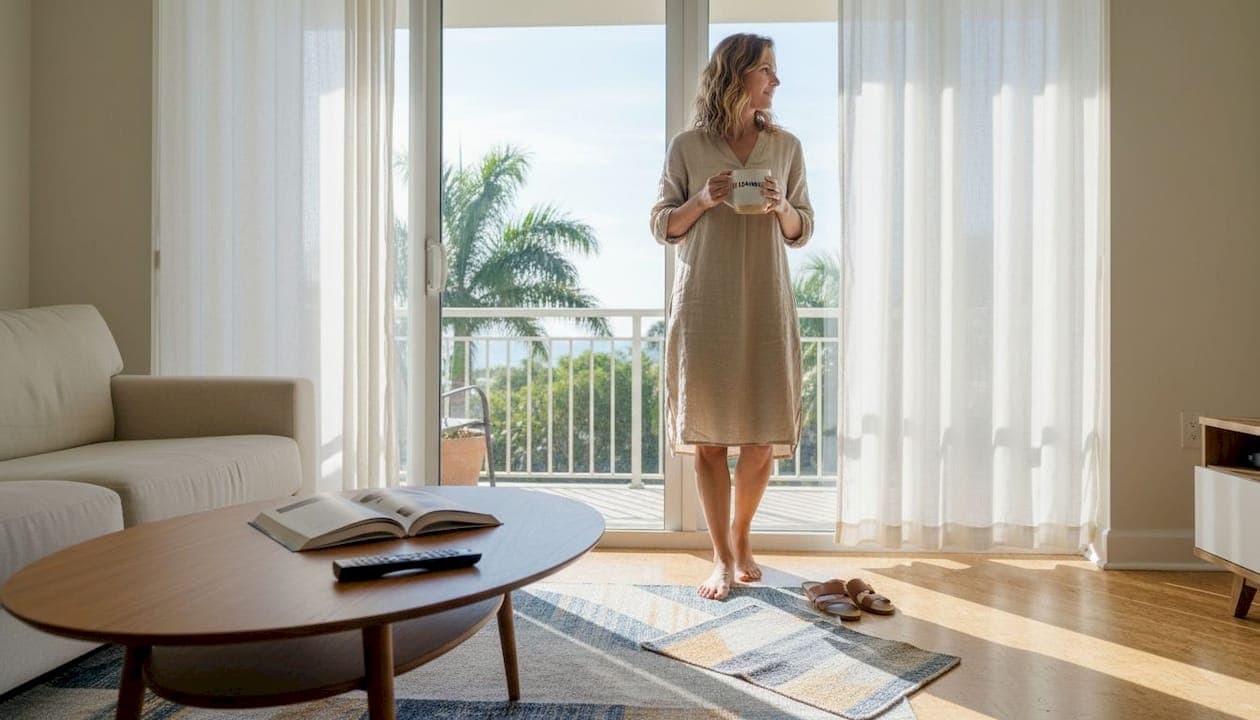
Most homeowners assume that swapping out old carpet for new flooring automatically improves soundproofing. It doesn't. The flooring material you choose, along with what sits beneath it, determines whether your home stays calm and private or constantly broadcasts every footstep, conversation, and appliance noise from room to room. For South Florida homeowners dealing with open-plan layouts, concrete slab construction, tile-heavy interiors, and multi-family buildings, this gap between expectation and reality costs real comfort every single day. This article covers what acoustic flooring is, which materials perform best, how to install and care for it, and whether the investment actually pays off.
Table of Contents
- Understanding acoustic flooring: What it is and why it matters
- Types of acoustic flooring: Materials, styles, and performance comparison
- Installation and care: Getting the most from your acoustic flooring
- Acoustic flooring and home value: Is the investment worth it?
- Why most homeowners underestimate the impact of noise—and how the right floor transforms daily living
- Explore your next step toward a quieter, more comfortable home
- Frequently asked questions
Key Takeaways
| Point | Details |
|---|---|
| Reduces household noise | Acoustic flooring absorbs and blocks unwanted sounds for a quieter home. |
| Best materials for South Florida | Floating floors, luxury vinyl, and cork are great options that also resist moisture. |
| Easy maintenance matters | Routine cleaning and moisture control keep acoustic flooring working well. |
| Boosts home comfort and value | Quality acoustic floors increase both daily comfort and potential resale appeal. |
Understanding acoustic flooring: What it is and why it matters
Acoustic flooring is any flooring system designed to reduce noise transmission, both between rooms on the same floor and between floors stacked on top of each other. It differs from regular flooring because it addresses sound as a primary performance factor, not just appearance or durability.
To understand why this matters, it helps to know there are two main types of household noise. Airborne noise travels through the air, think conversations, TV audio, or music. Impact noise travels through the structure itself, like footsteps, dropped items, or furniture being dragged. Standard hard flooring, such as tile or hardwood, does almost nothing to control either type. Tile, in particular, reflects sound rather than absorbing it, which is why a kitchen argument carries effortlessly to a bedroom down the hall.
"Acoustic flooring reduces the transmission of airborne and impact noise within a home."
South Florida homes present a unique challenge here. Many properties in the region were built using concrete slab foundations with tile floors installed directly on top. Concrete is an excellent sound conductor. Add vaulted ceilings, open floor plans, and warm weather that encourages keeping windows open, and you have a home that essentially amplifies noise instead of containing it. Even newer construction often prioritizes aesthetics and moisture resistance over acoustic comfort.
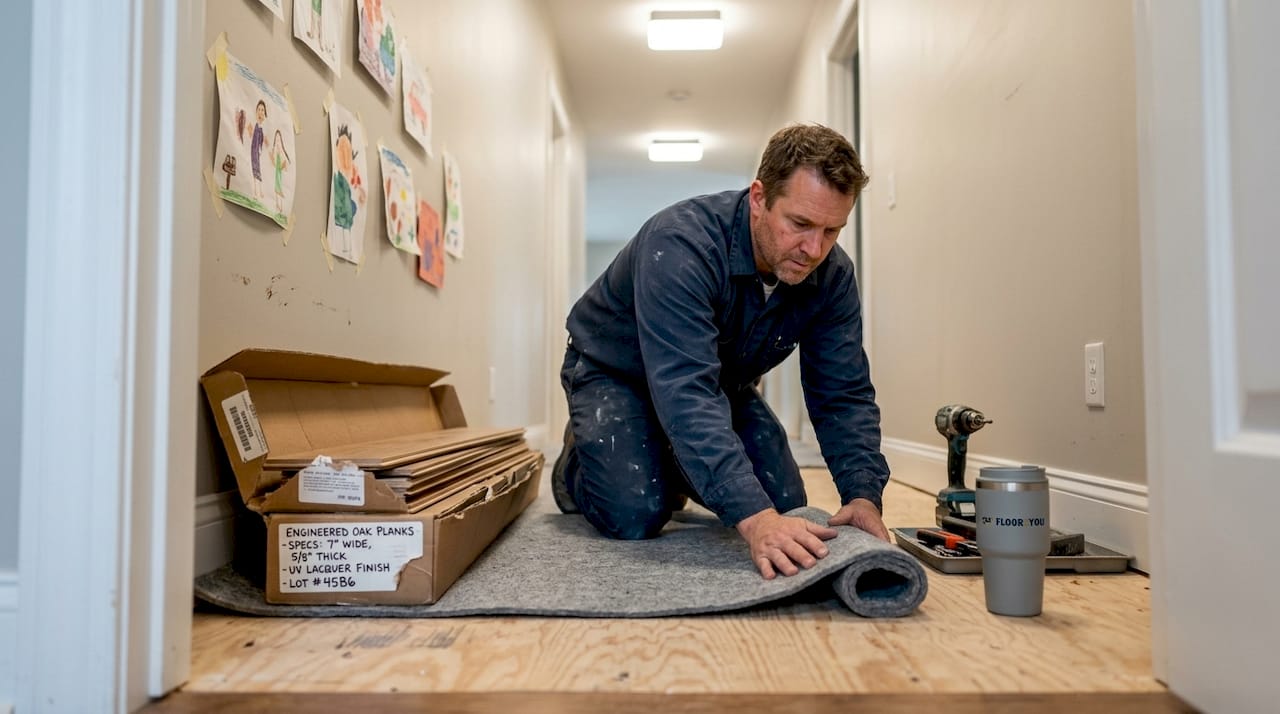
One common misconception is that carpet fixes everything. While carpet does absorb some airborne sound, it performs poorly against impact noise traveling through the slab. Another myth is that thick flooring automatically means quiet flooring. The real driver of acoustic performance is the combination of the flooring material and its underlayment, which is the layer installed between the subfloor and the finished floor surface.
Beyond quiet, the benefits of flooring types for South Florida that include acoustic properties go further than many people expect:
- Reduced echo and reverb in large rooms
- Improved thermal insulation, which matters for your energy bills in South Florida heat
- Greater underfoot comfort, especially on hard surfaces
- Potential increase in home resale value as buyer preferences shift toward comfort features
- Better privacy in home offices, bedrooms, and media rooms
Pro Tip: Don't evaluate acoustic flooring by looks alone. Ask for the floor's IIC rating (Impact Insulation Class) and STC rating (Sound Transmission Class). Higher numbers mean better noise control. A good residential target is an IIC of 50 or above.
Types of acoustic flooring: Materials, styles, and performance comparison
Once you understand why acoustic flooring matters, the next step is knowing what materials offer the best noise control for your situation. The good news is there are several strong options that also handle South Florida's humidity and heat without warping or growing mold.
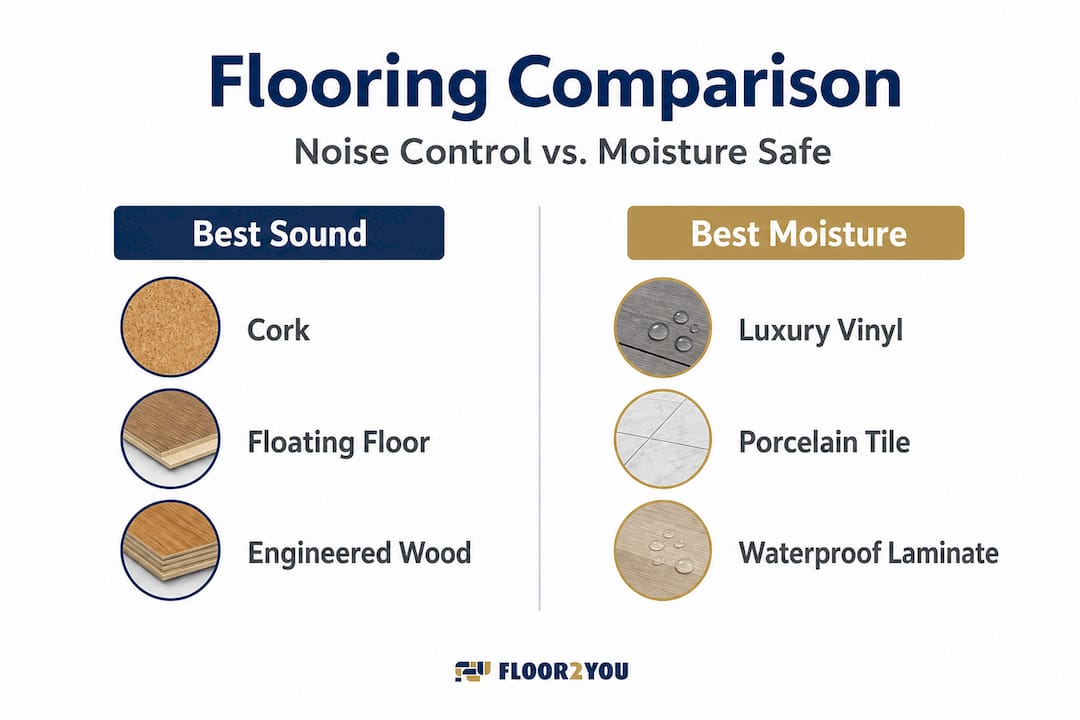
Floating floors options are among the most popular acoustic solutions for homes here. Instead of being glued or nailed down, these floors "float" over the subfloor, creating a natural air gap that reduces sound transmission. Floating floors, cork, luxury vinyl, and acoustic performance choices like carpet tiles are common picks for residential settings.
Cork is a standout material for acoustic performance. Its natural cellular structure absorbs both airborne and impact noise effectively. It also resists moisture reasonably well when properly sealed, making it a viable choice in areas that don't flood. Luxury vinyl plank (LVP) with a thick, built-in underlayment has become one of the most practical options in South Florida because it combines impressive water resistance with solid sound reduction. Waterproof flooring choices that carry acoustic benefits offer real resilience against Florida's moisture, especially important in areas near the coast or prone to seasonal humidity spikes.
Engineered hardwood paired with a quality acoustic underlayment strikes a balance between elegance and function. It won't handle standing water, but in bedrooms or living rooms away from kitchens and bathrooms, it delivers warmth and significant noise reduction. Carpet tiles offer the highest acoustic absorption of any option but require consistent cleaning in humid environments to prevent mold.
| Flooring type | Avg. cost per sq. ft. | Moisture resistance | Sound rating | Best rooms |
|---|---|---|---|---|
| Luxury vinyl plank (LVP) | $3 to $7 | Excellent | High | Any room |
| Cork | $3 to $8 | Moderate | Very high | Bedrooms, offices |
| Floating engineered hardwood | $5 to $12 | Moderate | High | Living rooms, bedrooms |
| Carpet tiles | $2 to $6 | Low to moderate | Highest | Bedrooms, media rooms |
| Cork-backed laminate | $2 to $5 | Low to moderate | Moderate to high | Living areas |
The underlayment beneath your flooring is just as important as the material itself. A cheap underlayment under even a premium floor will undercut acoustic performance significantly. Look for underlayments with foam or rubber core layers rated specifically for sound reduction.
Here's a simple process for choosing the right acoustic flooring for your home:
- Identify which rooms bother you most. Start where noise is the biggest problem, whether that's a bedroom above a garage, a home office near a busy street, or a living room shared with young kids.
- Check the moisture level. South Florida humidity is real. In bathrooms, kitchens, and laundry rooms, prioritize waterproof materials like LVP first.
- Set your budget. Include the cost of underlayment, installation, and any subfloor prep, not just the flooring itself.
- Match the aesthetic to your space. Acoustic performance doesn't have to mean sacrificing style. Modern LVP and engineered hardwood options look impressive.
- Verify the ratings. Ask your supplier for the IIC and STC ratings on any product you're considering.
Pro Tip: When shopping for acoustic flooring in South Florida, look for products rated for both sound reduction and moisture resistance. These two requirements often conflict, but several premium LVP options now meet both benchmarks without compromise.
Installation and care: Getting the most from your acoustic flooring
Now that you know what to look for in products, it's equally important to understand how to install and maintain your acoustic flooring for the best results.
Installation quality directly affects acoustic performance. A floor installed without proper subfloor preparation will develop gaps and squeaks over time, which actually increase noise rather than reduce it. Here are the key installation reminders every South Florida homeowner should keep in mind:
- Prepare the subfloor thoroughly. Concrete slabs common in South Florida must be clean, level, and dry before any flooring goes down. Even small variations in the surface can compromise the floating action that makes acoustic floors work.
- Never skip the underlayment. This is the single biggest mistake in DIY acoustic flooring projects. The underlayment is not optional. It is the primary noise-blocking layer.
- Use a moisture barrier on concrete. Florida's ground moisture can creep up through concrete slabs. A vapor barrier between the slab and underlayment protects both the floor and its acoustic performance over time. Learn more about moisture barriers for flooring before starting any project on a slab.
- Pay attention to edge insulation. Sound travels around floors as easily as through them. Sealing edges and gaps near baseboards stops flanking noise, the sound that bypasses your acoustic floor entirely by traveling up the walls.
- Consider professional installation for complex spaces. Hardwood floor installation tips apply across many acoustic floor types. Professional installation ensures the acoustic performance you paid for is actually delivered. DIY is possible, but only with careful preparation and the right tools.
On the care side, acoustic floors are not high maintenance, but they do need consistent attention. Floor care tips for South Florida emphasize regular cleaning and fast moisture management, two habits that protect both the floor's finish and its underlying acoustic layers. Spills left sitting can seep into underlayment and degrade its sound-absorbing properties over months.
In South Florida specifically, hurricane season introduces another variable. After major storms, check under baseboards and around door frames for any moisture intrusion. Water that gets under your floating acoustic floor and sits against the underlayment can cause it to compress and lose effectiveness, sometimes permanently.
Pro Tip: Use pH-neutral, manufacturer-recommended cleaning products on acoustic flooring. Harsh chemicals can break down the adhesives and foam layers in underlayment, reducing sound absorption over time.
Acoustic flooring and home value: Is the investment worth it?
You've learned about installation and care, but is acoustic flooring really worth the investment for your home and lifestyle?
The short answer is yes, and buyer trends back this up. Comfort-focused features have moved from "nice to have" to "must have" for a growing share of home buyers. Noise reduction is now listed alongside energy efficiency and smart home features as a primary purchase motivator for buyers in urban and suburban South Florida markets.
Quality flooring upgrades that include acoustic improvements can add measurable appeal to buyers who want comfort and privacy, not just square footage.
"Comfort is the new square footage. Buyers are no longer impressed by size alone. They want spaces that feel good to live in."
Consider the real-world benefits that acoustic flooring delivers every day:
- Better sleep quality in bedrooms shielded from hallway or external traffic noise
- Greater privacy for home offices, especially critical for remote workers post-2020
- More enjoyable shared spaces where families can watch TV, cook, and converse without shouting
- Reduced stress from chronic background noise, which research links to elevated cortisol levels
- Higher resale appeal in a competitive South Florida market where buyers compare livability, not just finishes
Ignoring noise issues in a South Florida home carries real costs too. Homes with hard tile throughout, no acoustic underlayment, and poor edge sealing create environments that feel loud and stressful even at low activity levels. Buyers notice this during walkthroughs and either discount their offer or move on entirely.
The return on investment for acoustic flooring comes not just from resale value but from daily quality of life. A quieter home is genuinely a better home to live in, and that pays dividends every single morning you wake up rested and every evening you work from home without interruption.
Why most homeowners underestimate the impact of noise—and how the right floor transforms daily living
Here's something the industry rarely admits: most people don't realize how much noise is draining them until it stops.
We get used to the constant thump of upstairs neighbors, the echo in a tile-heavy living room, the way voices carry from the kitchen to every bedroom in the house. We adapt. We turn the TV up louder, we close more doors, we snap at family members for being too loud when the real problem is the floor beneath their feet.
The conventional wisdom says you renovate for looks and function. You pick flooring that's durable, easy to clean, and matches your style. Acoustic performance rarely enters the conversation until someone has already spent money on the wrong solution and is living with the consequences.
What we've seen across South Florida homes is that even a modest upgrade, adding a quality underlayment beneath existing-style flooring, changing one problem room from tile to LVP with acoustic backing, creates a shift that homeowners describe as transformative. Not just quieter. Calmer. The sense that your home is working for you instead of against you.
The practical takeaway: before you commit to any flooring upgrade, spend one full day listening to your home. Walk barefoot from room to room. Notice where sound travels, where it echoes, where it collects. That's your acoustic map. The value of quality flooring becomes clearest when you understand exactly what problem it's solving, and noise is a problem worth solving on purpose, not by accident.
Start with the room that frustrates you most. That one change will tell you everything you need to know about whether acoustic flooring is right for the rest of your home.
Explore your next step toward a quieter, more comfortable home
Floor2You works with South Florida homeowners every day who are tired of living with noise they assumed was unavoidable. Our flooring specialists understand the region's unique challenges, from concrete slabs and coastal humidity to open-plan designs that amplify every sound. We carry flooring options specifically selected for South Florida conditions, including waterproof LVP, acoustic-rated underlayments, cork, and engineered hardwood.
Whether you're ready to upgrade one noisy room or transform your entire home, our team can walk you through options that fit your space, your budget, and your lifestyle. Browse our flooring solutions or reach out directly to schedule a consultation. A quieter home is closer than you think, and we're here to help you get there without guesswork.
Frequently asked questions
What rooms benefit most from acoustic flooring?
Bedrooms, living rooms, and upper-level spaces gain the most from acoustic flooring because these are where noise transmission causes the most disruption to sleep, focus, and relaxation.
Can acoustic flooring help with echo or footstep noise?
Yes, acoustic flooring and proper underlayment absorb sound waves, reducing both echo and the impact noise from footsteps. Floating floors and cork are especially effective for footstep noise in multi-story homes.
Is installation of acoustic flooring a DIY project?
DIY installation is possible for some acoustic flooring types, but professional help ensures optimal sound performance, especially in complex layouts. Proper installation steps make the difference between a floor that blocks noise and one that just looks good.
Does acoustic flooring require special care?
Acoustic flooring should be cleaned regularly and kept dry. Using products specifically recommended for your floor type helps maintain the underlayment's performance. Consistent floor care is especially important in South Florida's humid climate.